Last week, Russian President Putin's United Russia party secured its strongest-ever election result and a constitutional majority in parliament. Some experts assume and predict this outcome could be another motivation for the Kremlin to recalibrate its geopolitical strategy. Amid that occurrence, the Transnistrian dispute is once again producing political signals that could have implications far beyond the narrow strip of territory along the Dniester.
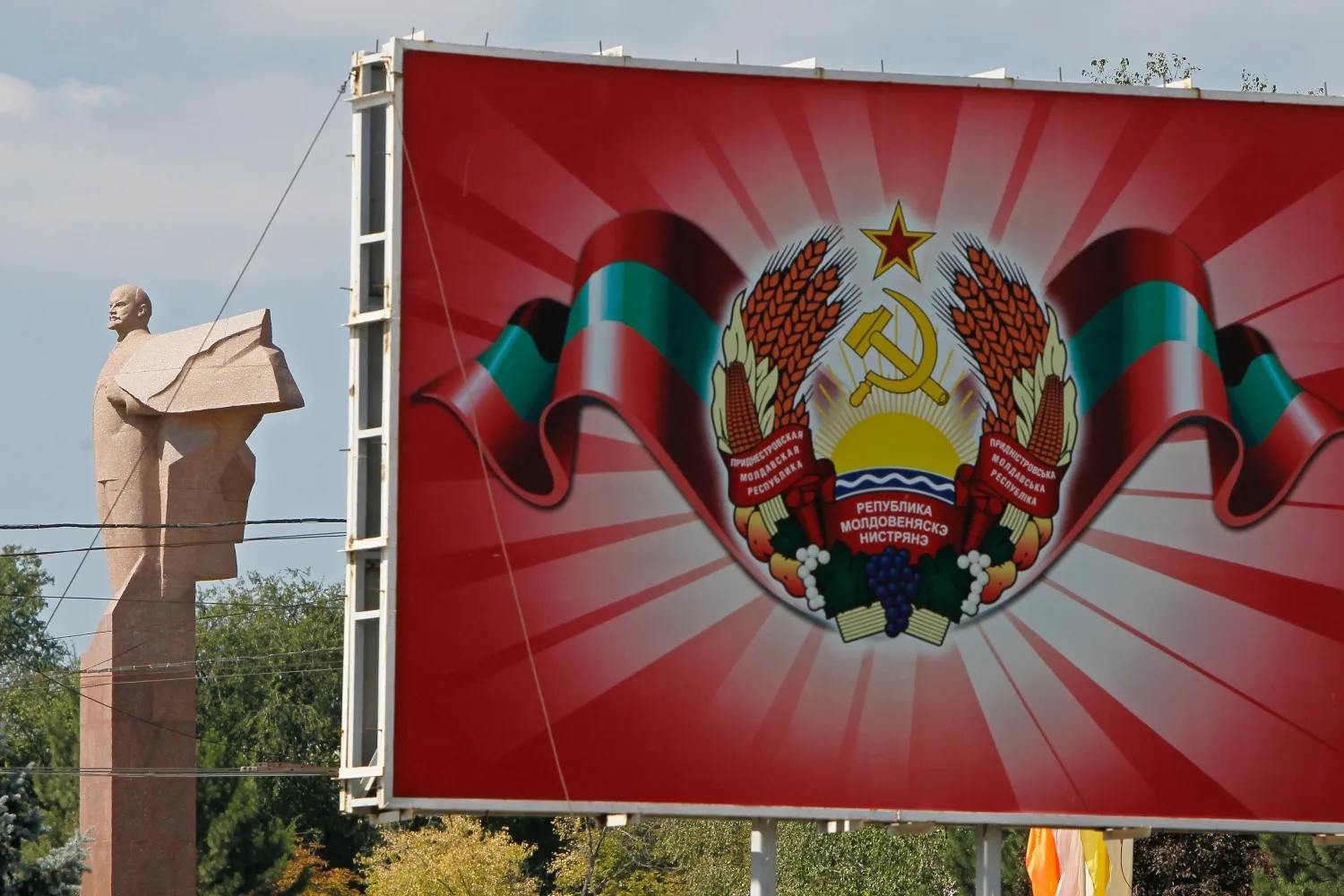
Vadim Krasnoselsky, the head of the internationally unrecognized Transnistrian administration, has said that the region is ready to hold another referendum on self-determination, exactly 20 years after the territory held its previous vote. Krasnoselsky recalled that the 2006 referendum produced a claimed 97.1 percent vote in favour of independence and eventual “free reunification” with Russia, and said Tiraspol would be prepared to repeat the exercise if its outcome were accepted by all international participants. The proposal comes at a particularly sensitive moment.
Moldova is deepening its integration with the European Union, while Russia continues to maintain military and political influence in Transnistria. Moscow has also recently facilitated a simplified route to Russian citizenship for residents of the region. Krasnoselsky says more than 60,000 people have registered for the process since the decree signed by Russian President Vladimir Putin in May, while claiming that more than 220,000 residents already hold Russian citizenship.
Russian and Transnistrian sources have confirmed the scale of registrations, although the figures should be treated as claims from the authorities in question rather than independently verified demographic data. Is Tiraspol preparing the ground for another attempt to alter the political status of the region, or is the referendum rhetoric primarily intended to increase pressure on Chisinau? Speaking to AzerNEWS, German-based analyst Brendan Ziegler said the referendum proposal should be understood less as an immediate blueprint for annexation than as part of a broader strategy of maintaining controlled pressure on Moldova.
A much more effective method is to keep the region in a state of constant, controlled tension: not to create war, but to create the feeling that a crisis could flare up at any moment,” Ziegler said. In his assessment, this approach allows Moscow and Tiraspol to exert pressure on Chisinau without necessarily crossing the threshold into a new armed conflict. The referendum issue, therefore, can serve a purpose even if no vote actually takes place.
According to Ziegler, political escalation is one of the most straightforward mechanisms available to Tiraspol. Raising the prospect of a new referendum, demanding a special status and repeatedly stressing the region's supposed right to determine its own future can reinforce the image of Transnistria as a separate political entity. Tiraspol wants to be treated as an equal negotiating subject rather than as a region of Moldova.
Extract — continue reading at the source.