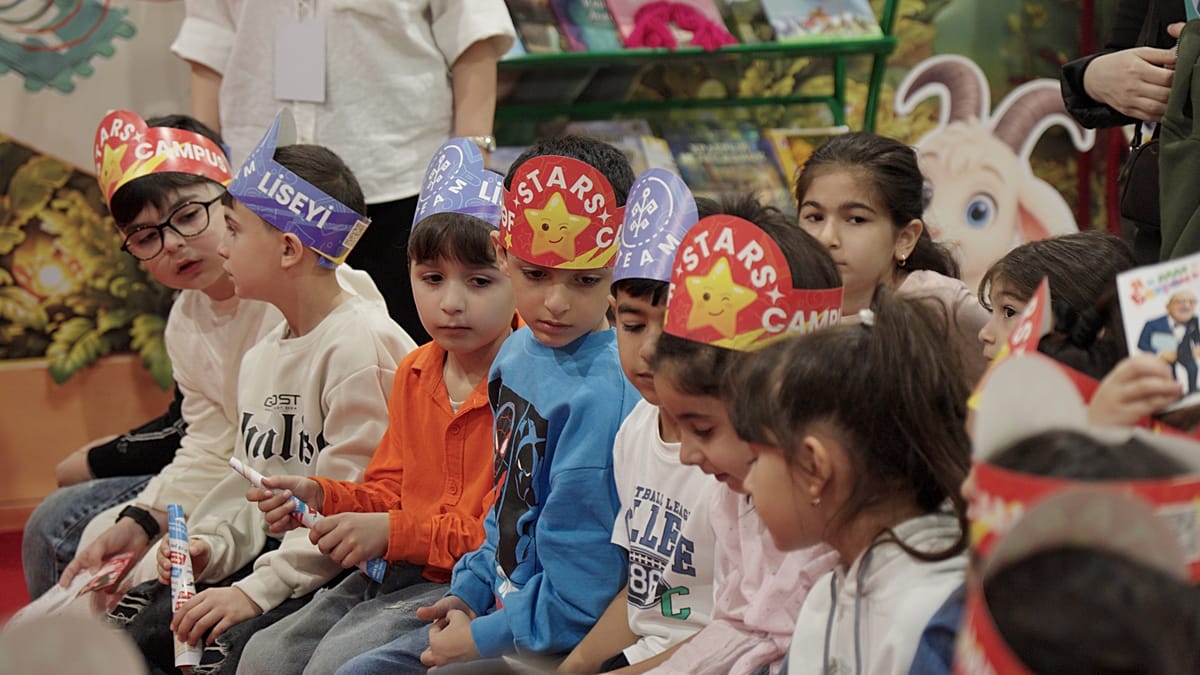
From the poetry of medieval Azerbaijan to contemporary novels reaching readers from across different continents, Baku's relationship with the written word is rooted in centuries of cultural exchange. Today, that literary heritage is finding new expression as authors, publishers and readers from Europe, Asia and beyond came together in the Azerbaijani capital for the twelfth year running. The 12th Baku International Book Fair saw 32 countries taking part in an event which was not simply about discovering the latest books.
It was an opportunity to explore how literature connects hearts and minds across languages, generations, and geographical barriers by blending and sharing ideas and stories. At a time when technology is transforming how tales are told, published, and consumed, the fair also questioned how books will remain an intrinsic and vital part of our futures. Azerbaijan's literary traditions stretch back centuries and have been shaped by its position at the crossroads of Europe and Asia.
The 12th-century poet Nizami Ganjavi features heavily. He was born in what is now Azerbaijan and became one of the most influential literary figures of the Persian-speaking world, with his works travelling the globe. He continues to be celebrated today.
Centuries later, writers and poets include Muhammad Fuzuli, who contributed to a rich literary tradition that developed across different languages and cultural influences. This heritage provides a historical and rich backdrop to the country's modern relationship with international literature, where translation, publishing partnerships and literary festivals help stories reach audiences far beyond local borders and countries of origin. For Iranian novelist Parinoush Saniee, literature offers a way of exploring the relationships between individuals and the societies in which they live.
Her internationally recognised novel The Book of Fate follows the life of an Iranian woman through decades of personal and political change, examining themes of identity, family, education and the expectations placed upon women. Saniee explained that she initially assumed her work would only resonate regionally, but she was quickly surprised by the global reaction. "The first translation of my book was into Italian," Saniee recalled.
"When I saw all that reception and various journalists came from different places, I asked them what was interesting about the book for you. They said it was close to us. We also had such experiences.
Extract — continue reading at the source.



