Involving a patient's family and friends as part of a new approach to mental health treatment makes it three times less likely they will be admitted to psychiatric hospital, research has found. Patients rated their recovery and quality of life more highly than those who were treated in the traditional way, it also found. It is the first major study of Open Dialogue, a way of providing treatment and organising mental health services that involves focusing on the patient's priorities, seeing the same clinicians, and involving people close to them.
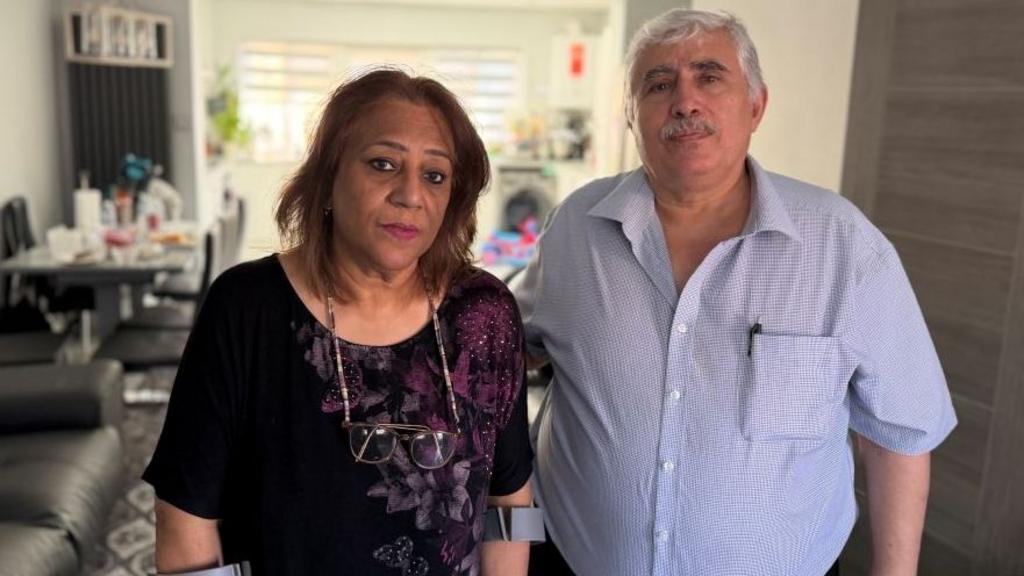
But, the trial, in five NHS trust areas, found it did not stop patients suffering relapses, and some critics say there needs to be further research into its effectiveness. Dr Nihad Fathi has benefited from the approach after he felt his life started to spiral out of control as the Covid pandemic took hold in 2020. By the next summer, problems in his work had left him feeling anxious, depressed and worthless.
He felt like he was letting his clients down. "It was so much pressure, stress," he said. "I caught myself like a lost child and I didn't know what's going on in my mind," he said.
It was a terrifying time for his wife Farah. "At that stage, I didn't know what to do," she said. For one of his sessions Nihad and Farah sit in a circle in their east London home with two clinicians – consultant psychiatrist Dr Bill Travers and community psychiatric nurse David Adebayo.
They have been working with Nihad for five years and the NHS trust they work for, North East London NHS Foundation Trust, has been using Open Dialogue with some of its community patients since 2019. Open Dialogue was first devised in the 1980s in Finland. It is now used in more than 20 countries around the world, although the research into its effectiveness has been limited.
The idea is for a patient to regularly take part in "network meetings". As well as two Open Dialogue practitioners, these meetings also involve the friends, families, neighbours or colleagues of the patient. They then remain involved in the patient's recovery.
Extract — continue reading at the source.