There’s a practical lesson in the Chinese finger trap, a pearl of philosophical wisdom. To escape, the two people bound together by the finger mustn’t pull away, which only strengthens the grip. They must move closer together, in unison.
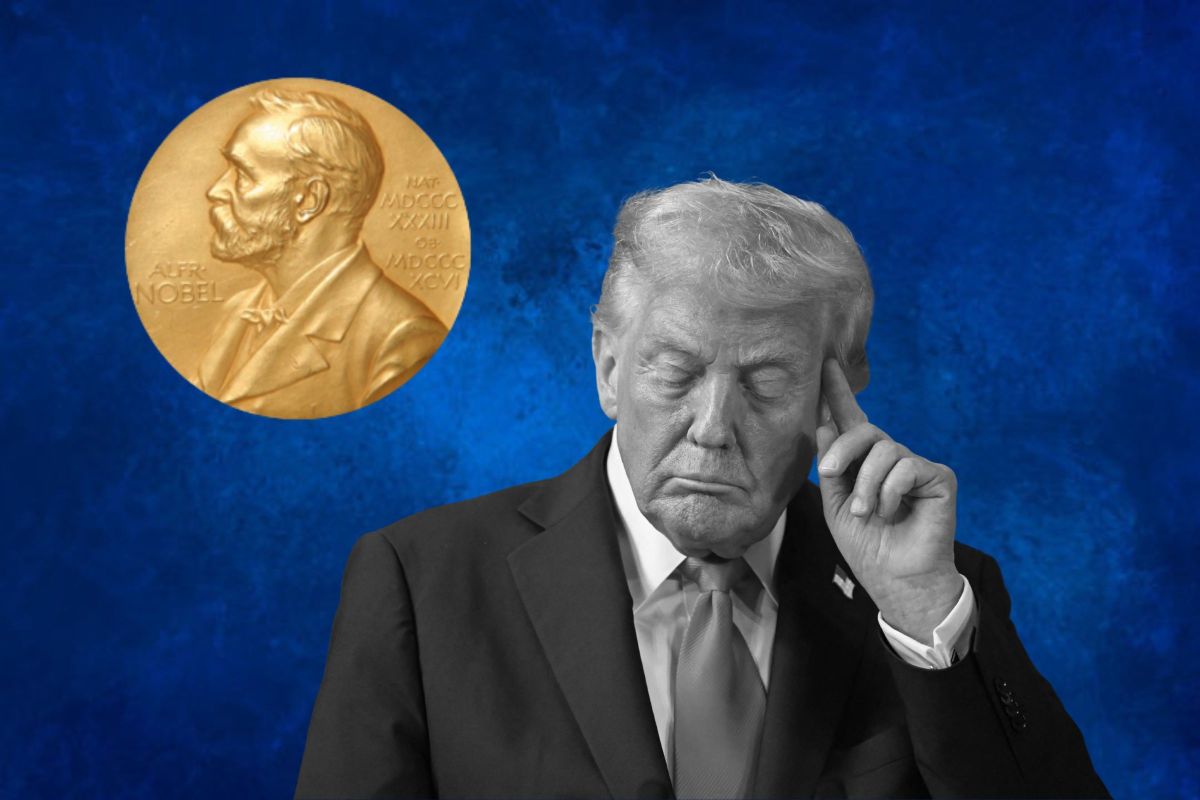
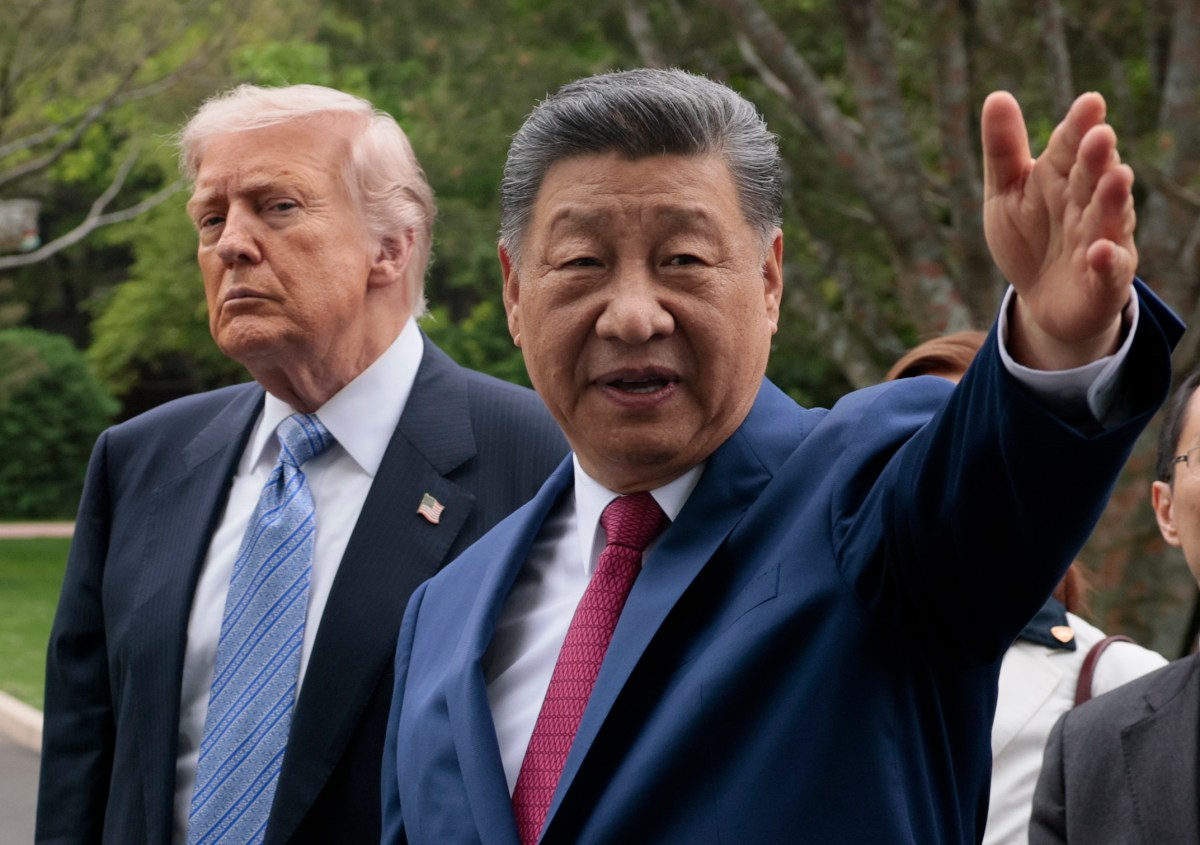
When Chinese President Xi Jinping lands in Washington, D.C., later this month, he should bring one with him to play with U.S. President Donald Trump—because they’re stuck in an Iranian finger trap. The U.S.-Israeli war against Iran, which crippled energy flows through the vital Strait of Hormuz, is now joined by the Houthis’ campaign against Saudi Arabia, damaging major oil infrastructure and disrupting the alternative route for shipping in the Red Sea.
Over the past week, the Houthis have made their biggest land grab in years, storming down Yemen's Red Sea coast to the Bab el-Mandeb chokepoint, while firing on Saudi energy sites and tankers. Energy markets are delivering the obvious verdict to both of the region's main oil corridors being squeezed at the same time: prices have surged again. U.S. crude passed $100 a barrel this month, while the national average price of diesel hit a record $6.45 a gallon, amid disruptions around Hormuz and Russia's export ban after Ukrainian strikes on its refineries.
The situation has become critical enough that the Saudis asked China to intervene with Iran, a major oil supplier to Beijing. The Houthi militants in Yemen are ultimately a proxy of the regime in Tehran, and backed heavily by Iranian resources. According to , citing anonymous sources, the Chinese have now asked Tehran to help pull the Houthis back from their attacks on Saudi Arabia.
This is more than just a favor to Riyadh, as Beijing seeks to expand its influence and status in the Gulf. It is in China’s interests as the world’s second-largest economy—and a manufacturing powerhouse that imports most of its crude, including from the Saudis—to contain the damage unfolding in the energy markets. Chinese purchases account for more than 80 percent of Iran's seaborne oil exports, roughly 1.4 million barrels a day, according to Kpler data.
Iran supplies only a modest share of China's imports, well behind Russia and Saudi Arabia. Tehran needs Beijing far more than Beijing needs Tehran. It’s also in American interests.
Extract — continue reading at the source.