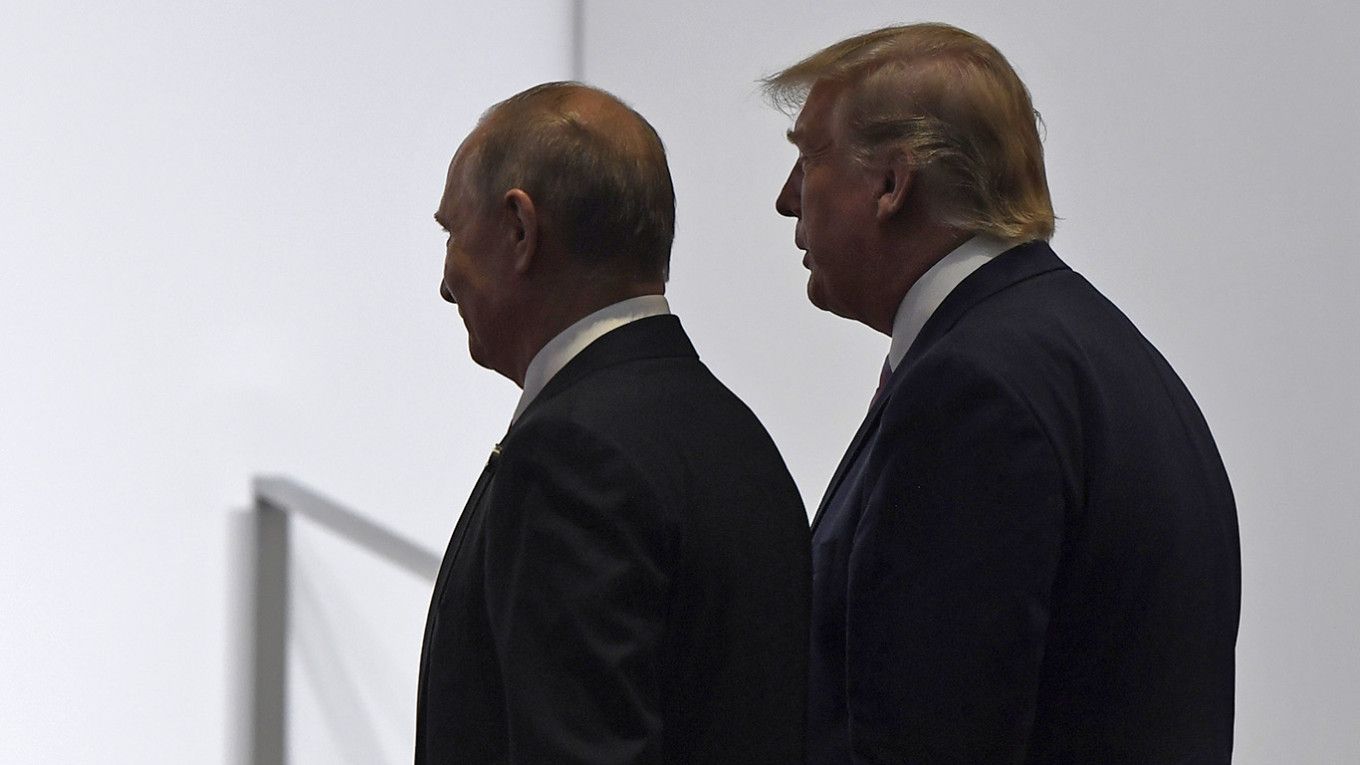
President Donald Trump’s decision to ease sanctions on Russian diesel exports reflects political processes driven by energy prices, domestic economic pressure and the November 2026 midterm elections. By opening the door to additional Russian fuel supplies, Trump hopes to ease pressure on American consumers, farmers and transport companies. Diesel is essential to freight transportation and agricultural production, making its price a direct influence on food costs and the wider economy.
With geopolitical tensions disrupting energy markets, the White House is seeking an immediate economic benefit. However, the decision also creates an opportunity for Moscow to earn additional revenue while its war against Ukraine continues. The scale of the proposed supplies raises questions about the agreement’s practical value.
Ukrainian President Volodymyr Zelensky has argued that Russian diesel exports of approximately 300,000–500,000 tonnes per month represent around 0.3% of global monthly diesel consumption, estimated at 120 million tonnes. The figures translate into roughly 0.25–0.42%, depending on the export volume. Such deliveries may influence prices at the margin, yet their capacity to transform the global market remains limited.
For Moscow, meanwhile, every additional export opportunity brings revenue that can support the state budget and its military campaign. The arrangement therefore presents a striking imbalance between its potential economic impact and its wider strategic significance. Events surrounding Trump’s subsequent announcement of an energy ceasefire further complicate the picture.
On October 11, Trump declared that Russia and Ukraine had agreed to halt attacks on energy infrastructure. Ukrainian officials reported continued Russian strikes, including an attack on an energy facility near Kharkiv. Zelensky indicated that Ukraine was prepared to suspend attacks on Russian energy sites if Moscow reciprocated.
The episode illustrates the difficulty of turning diplomatic announcements into practical restraint on the battlefield. Energy infrastructure remains a central instrument of Russia’s campaign, while Ukrainian strikes against Russian refineries provide Kyiv with leverage against Moscow’s energy revenues. ( ) Against this background, the European Union’s October 12 sanctions decision represents a different strategic approach. The bloc approved its largest-ever round of listings against Russia’s military-industrial complex, targeting 1,569 individuals and entities, including 826 companies and 743 executives.
Extract — continue reading at the source.