For Tunisian taxi driver Houssam Oueslati, inflation has a price tag: The cost of keeping his car on the road. In 2018, he paid about 35 Tunisian dinars ($13) for engine oil. Today, the same purchase can cost close to 100 dinars ($34).
To maintain his income, he has had to work longer hours, spending more of his day behind the wheel to cover rising operating costs. His experience points to a broader question facing Tunisia nearly seven years into Kais Saied’s presidency: What has changed in the economy, and how much of that change has improved people’s lives? Saied came to power amid widespread frustration with the political establishment, promising a fairer and more accountable state.
Since then, Tunisia has faced the economic consequences of the COVID-19 pandemic, volatile global food and energy prices, and geopolitical turmoil. These shocks have complicated the country’s recovery, but they do not settle the question of how effectively the government has responded. The economy continues to grow, and overall unemployment has eased from its pandemic-era peak.
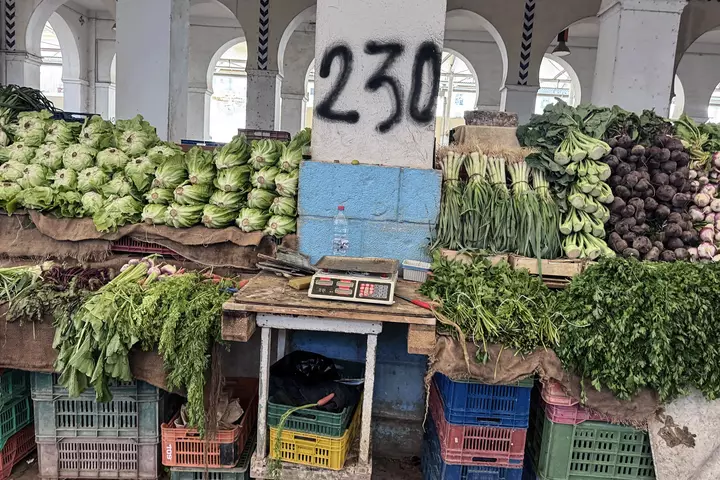
Yet food prices remain a burden, unemployment among young people is high, and public finances leave the government with limited room to manoeuvre. For Tunisians such as Oueslati, what matters most is not the headline growth figure but whether their earnings cover the cost of living. The price of the engine oil Oueslati buys has increased by approximately 186%, according to figures he provided to Al Jazeera.
For a taxi driver, this is not an isolated expense but part of the cost of staying in business. The pressure extends well beyond transport. Tunisia’s annual inflation rate reached 5.6% in September 2026, up from 5.4% in August and 4.8% in January, according to the National Institute of Statistics.
Food and beverage prices rose by 8.4% year on year. Poultry prices increased by 16.5%, fruit by 16.3% and lamb by 14.6%. Core inflation, which excludes food and energy, stood at 4.9%.
Extract — continue reading at the source.