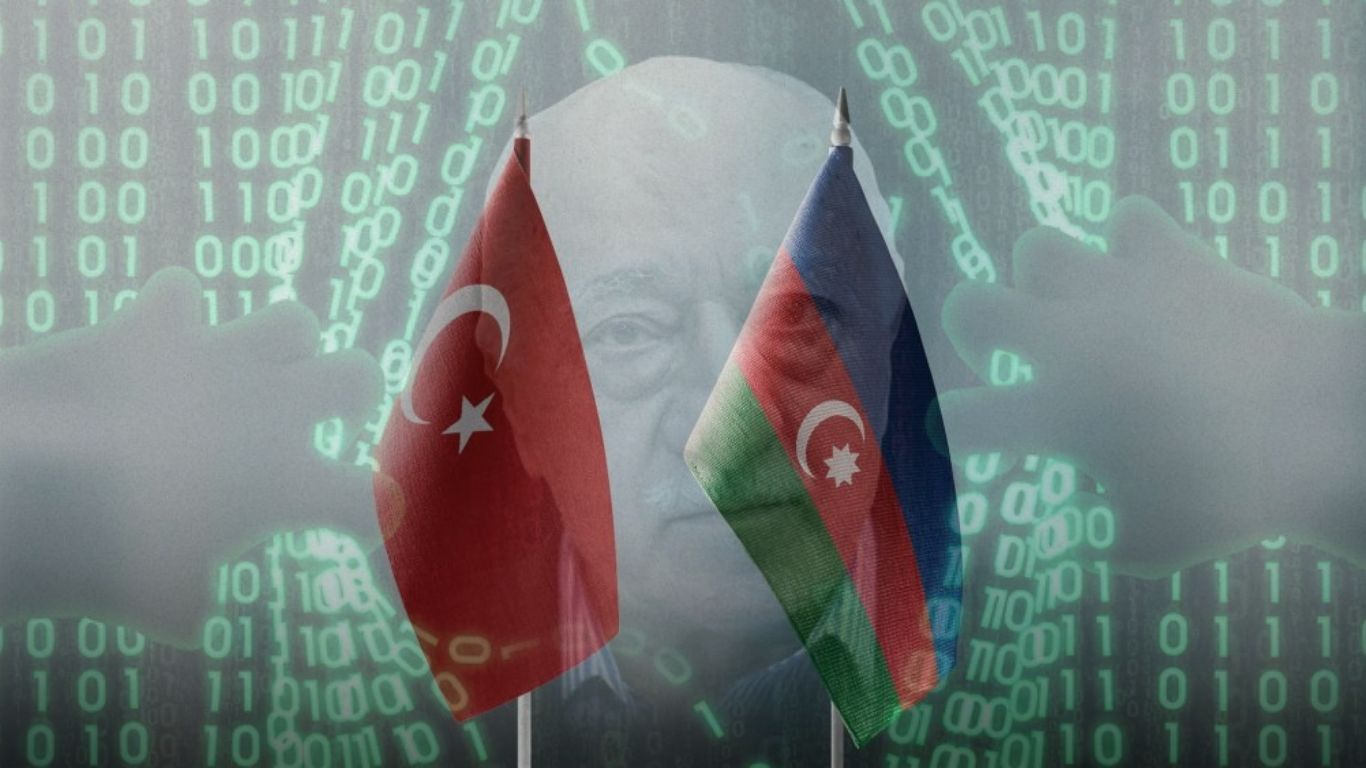
Why a dispute over school dress rules should not be allowed to overshadow decades of political, economic and military cooperation The relationship between Türkiye and Azerbaijan is often described in a phrase that has become central to the political vocabulary of both countries: “two states, one nation”. And it has been more than a diplomatic slogan in the depth of our minds. It also reflects shared historical experiences, cultural affinities, economic interests and a strategic partnership that has grown considerably in recent decades.
Nevertheless, even the closest relationships can face difficult moments, especially in this fragmented world. In this context, disagreements can quickly overgrow and become more than disagreements, especially when social media and some old FETÖ-linked radical groups and entities turn domestic policy questions into international controversies. The recent debate over school uniform regulations in Azerbaijan has demonstrated how quickly such tensions can spill across borders, putting the language of brotherhood to the test.
In fact, the question is not whether Türkiye and Azerbaijan will always agree on every issue. These two sovereign states in no way can reasonably be expected to do so. The more important question is whether differences can be managed through mutual respect, direct communication and an understanding that neither country's national interests should be subordinated to domestic political pressures in the other.
However, the law adopted in Azerbaijan seemed to act as a spark for some of the aforementioned organisations. Although reactions to this issue were anticipated from other quarters, forces attempting to undermine state policy shifted their focus toward Türkiye - yet, as always, it proved futile... The controversy began after Azerbaijan introduced changes to its public education rules in September.
The amendments strengthened requirements concerning school dress codes and stipulated that clothing must comply with the principle of secular education. Although the legislation did not explicitly name the hijab, the implementation of the rules at some schools led to students and teachers wearing headscarves being prevented from attending classes, prompting protests and a wider public debate. Azerbaijan's official education authorities published details of the revised requirements on 22 September.
The issue soon attracted attention in Türkiye, where religious groups, commentators and political figures expressed criticism. What might have remained a domestic discussion about education policy consequently acquired a diplomatic dimension. The sensitivity is understandable, as religious clothing is not simply a question of dress for many people, but it is associated with personal identity, religious freedom and family traditions.
Extract — continue reading at the source.