The United States is sending several hundred Army soldiers to train and conduct exercises with local forces in Latin America as the Pentagon expands its campaign to combat drug trafficking in the region, according to U.S. military officials. The first elements of a 600-soldier battalion from the 10th Mountain Division at Fort Drum, N.Y., have begun deploying to a new jungle training facility in Panama, the officials said, speaking on the condition of anonymity to discuss operational matters. The troops will eventually train with local forces in Colombia and Honduras, and could also support U.S.
Special Operations troops advising militaries conducting raids against accused drug traffickers, the officials said. In addition to the deployments to Central and South America, officials said that several hundred soldiers from the 10th Mountain were scheduled to help staff a new command for Western Hemisphere operations based in Miami. Defense Secretary Pete Hegseth recently created a Pentagon office to help oversee the military’s counter-cartel activities.
The deployments and growing headquarters, which have not been previously reported, along with the Pentagon’s recent movement of several MQ-9 Reaper drones from Africa to Colombia and Ecuador, mark the latest widening of the Defense Department’s fight against drug traffickers in the region. Adam Isacson, the director for Defense Oversight at the Washington Office on Latin America, a research group, said he could not recall any deployment of U.S. troops to the region “that ever came close to 600, except for contingencies like invasions or natural disasters.” The moves also come as the Trump administration is urging leaders across the region to up their military offensives against trafficking groups, and to permit joint operations with the United States. The top U.S. military commander for most of Latin America, Gen.
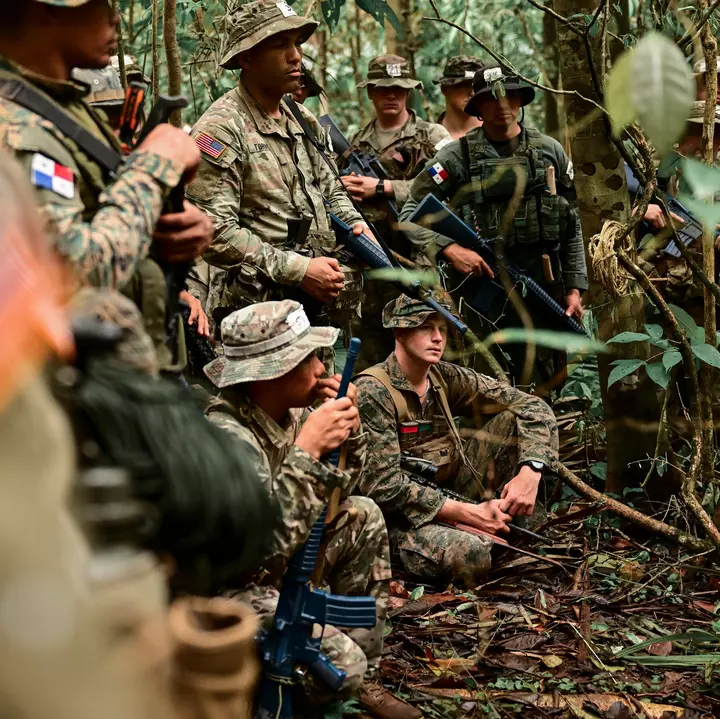
Donovan, has said the United States plans to expand operations from strikes on boats to strikes on land. Special Forces personnel took part in a joint training exercise during Panamax 2026, a multinational exercise led by Panama and sponsored by U.S. Southern Command, in Panama City, Panama, in August.Credit...Enea Lebrun/ Across Latin America, voters have recently elected leaders who have put tackling criminal groups and restoring safety at the top of their agendas.
But the prospect of U.S. operations on Latin American soil has raised concerns about sovereignty, and has recalled a long and bloody history of U.S. intervention in the region. While many Latin American countries have entered into a new U.S.-led political and military alliance to combat criminal groups, only a handful of them have officially agreed to allow joint operations inside their borders, including Colombia and Honduras. Both countries are run by newly elected presidents who were endorsed by President Trump.
Officials in Panama, Colombia and Honduras did not immediately respond to requests for comment on the U.S. plans. Human rights groups are concerned that the growing U.S.-led military campaign could endanger civilians. And experts say that killing members of trafficking groups — even top leaders — does little to stem the flow of drugs, since those killed can be replaced.
Extract — continue reading at the source.