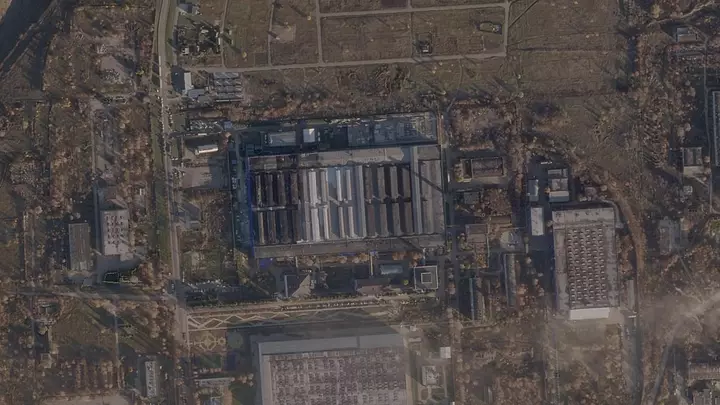
Ukrainian drones struck five data centres belonging to Russia's largest technology companies in October, causing widespread failures in cloud services, payment systems and navigation apps nationwide. The Ukrainian armed forces hit three Yandex facilities: in Sasovo in the Ryazan region on 7 October, in Kaluga on 9 October, and in Vladimir on 11 October. On 14 October a Sber data centre in Balakovo in the Saratov region was struck, and on 18 October a VKontakte data centre in the Leningrad region near St Petersburg came under attack.
Yandex, Sber and VKontakte together run much of Russia's consumer internet infrastructure, from taxi apps and card payment processing to cloud storage and messaging. None of the companies has disclosed the scale of the damage. Russians have reported persistent difficulties paying for goods, ordering taxis, using navigation services and accessing cloud storage.
Experts say restoring the infrastructure could take months or years, and the strikes have set back Russia's artificial intelligence development, Mikhail Klimarev, head of the Internet Protection Society, told AP. The attacks come as Russia has itself been systematically targeting Ukrainian data centres this autumn. On 19 October a Russian strike completely destroyed one of the largest facilities of the Ukrainian operator Datagroup in Kyiv, which was declared beyond repair.
The following day a Russian attack damaged Kyiv's GigaCenter. Russia hit several other Ukrainian data centres in September and October. An earlier Russian strike on a Kyiv data centre in July disrupted internet access, mobile communications and television across the city.
Moscow has targeted Ukraine's IT systems since day one of Russia's full-scale invasion: cruise missiles struck a government server facility on 24 February 2022, and a Russian missile hit the National Data Backup Centre in central Kyiv on 1 March. Ukraine has since moved most of its data to servers in European countries, limiting the impact of subsequent attacks. Russian data centres are more vulnerable than Ukrainian ones, analysts say.
Under legislation designed to create a so-called "sovereign internet," Russia requires companies to store all data on servers inside the country. That concentration makes the facilities easier to target. "Russia's problem is that it has to provide air defence over a vast territory, and it does not have enough resources for that," said Nick Reiners, senior geo-technology analyst at Eurasia Group.
Extract — continue reading at the source.