Volodymyr Zelensky is learning that lesson in the most-brutal fashion. Less than a month ago, Donald Trump was boasting of his "very strong" relationship with the Ukrainian president before the world at the U.N. Yet, since Zelensky criticized the White House's diesel bargain with Vladimir Putin five days ago, Trump has told Ukraine to get a new leader, blamed Kyiv for America's soaring diesel prices and proclaimed that Moscow and Kyiv had agreed to stop striking energy infrastructure, even as Russian missiles battered power stations around the Ukrainian capital and Kharkiv.
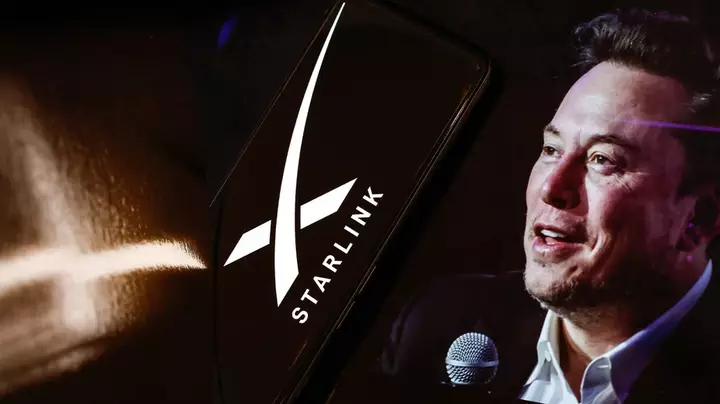
Now the discontent appears to have spread from the White House to the American private sector. Ukrainian troops reported early Wednesday sudden restrictions to Starlink; the satellite network operated by Elon Musk's SpaceX has underpinned much of their battlefield communications and drone operations since Russia's full-scale invasion in February 2022. The development is both an uncomfortable reminder of how much influence Washington and American companies wield over Ukraine's survival, and another belated birthday present for the Russian president.
Early reports from the Ukrainian front line alleged that Starshield, the military-grade version of Starlink, had suddenly become unreliable aboard fast-moving drones. Serhii "Flash" Beskrestnov, Zelensky's adviser on defense technology, said drones equipped with Starshield terminals were losing connectivity at speeds exceeding 100 mph, disrupting vital combat missions without warning. Four Ukrainian front line sources confirmed the restrictions to Ukrainska Pravda and The Kyiv Independent, while Ukraine's 7th Air Assault Corps reported outages lasting 10 to 20 seconds at speeds as low as 68 to 75 mph.
Drone operators were forced to cancel missions, and the military said the situation was particularly acute for high-speed attack drones. SpaceX has not publicly confirmed or explained the sudden change, and there is no evidence to suggest the White House has instructed Musk’s company to restrict Kyiv’s access. But coincidence this is not, according to Beskrestnov.
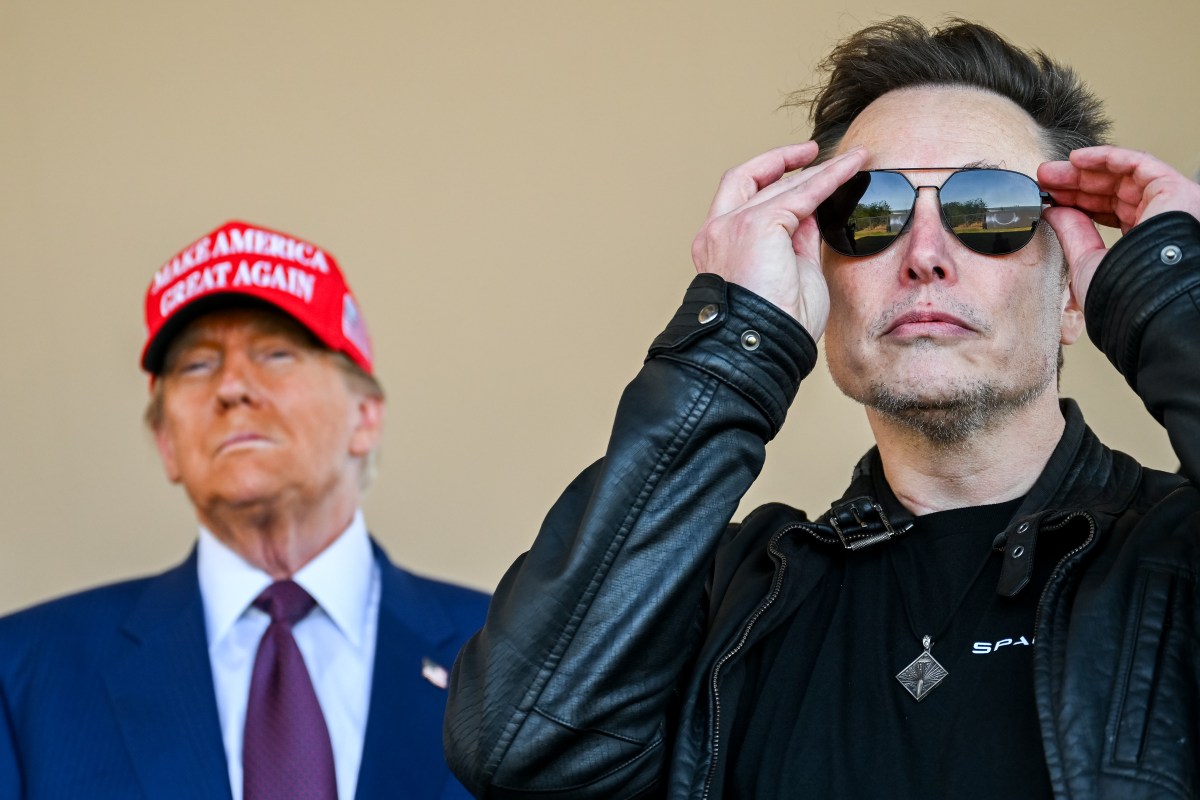
"It is obvious that this action cannot be a coincidence and is linked to the current political situation," Zelensky’s adviser said in a social media post. On Saturday, less than 24 hours after the U.S. president trumpeted his diesel deal with Putin, SpaceX CEO Musk said Zelensky had "gone too far" in striking Russian energy infrastructure. Putin’s special envoy Kirill Dmitriev, who recently held talks in Washington with U.S. officials about potential postwar Russian-American energy projects, celebrated Musk’s chiming in as a "turning point." Musk himself has never been shy about Ukraine's military dependence on his satellite constellation.
In March 2025, he said: "My Starlink system is the backbone of the Ukrainian army. Their entire frontline would collapse if I turned it off." He subsequently promised that Starlink would "never turn off its terminals" over political disagreements and that SpaceX would never use the service "as a bargaining chip." It remains to be seen whether Musk’s company has in fact betrayed his word, but reduced access to Starlink has already caused havoc for Ukraine’s defenders. Drone operators relying on Starshield face a miserable choice: flying faster means losing connection, and potentially control, of their drones, while slowing down leaves them more vulnerable to Russian air defenses and countermeasures.
Extract — continue reading at the source.