The loading terminal of Russia’s Novoshakhtinsk oil refinery caught fire overnight following reports of a Ukrainian drone strike just hours after President Trump announced a deal to supply millions of tons of Russian diesel fuel to the global market. The incident suggests Kyiv will continue targeting Russian energy infrastructure despite pressure from the United States, with the Trump administration hoping energy costs will come down ahead of the November midterm elections. Newsweek contacted the Russian and Ukrainian foreign ministries for comment on Saturday by email.
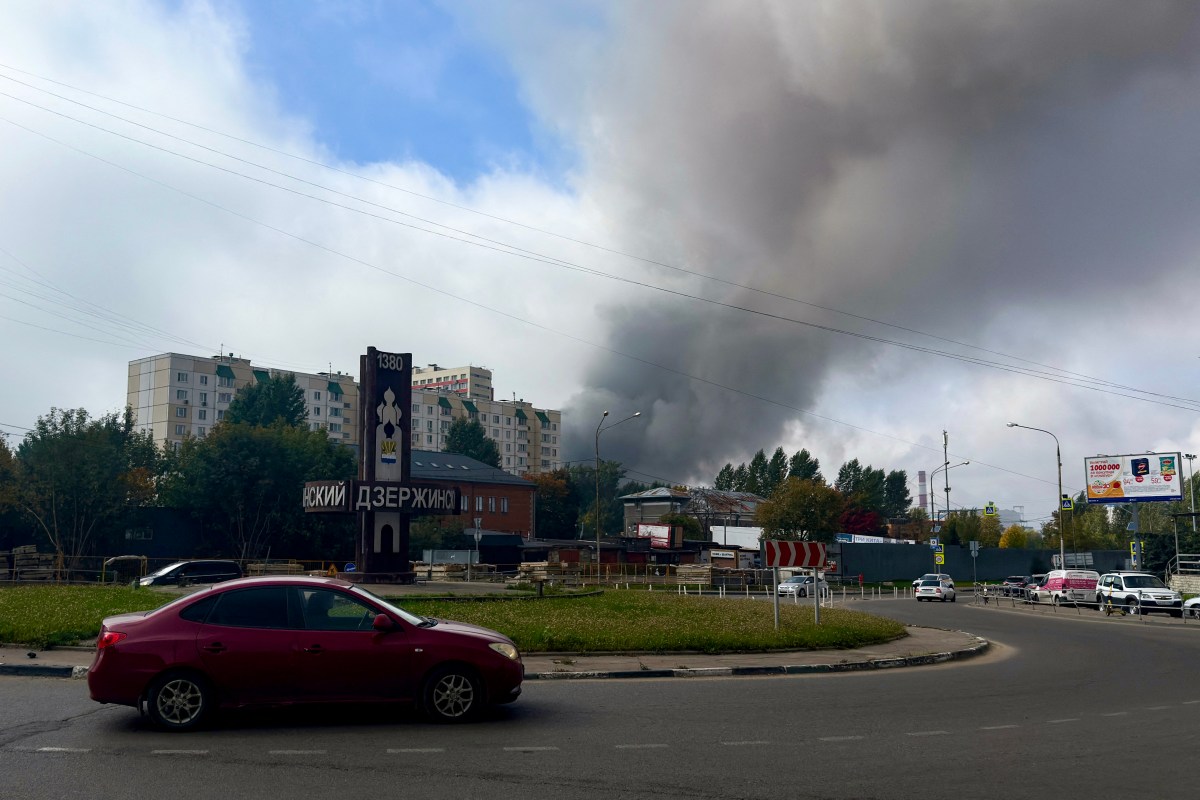
Overnight a large blaze broke out at the Novoshakhtinsk oil loading terminal in Rostov-on-Don with footage shared on social media showing intense smoke and flames emanating from the facility. The videos have not been independently authenticated by Newsweek. Independent Russian media outlet ASTRA confirmed the video showed the Yug Rusi oil-loading terminal, which handles production from the nearby Novoshakhtinsk Oil Refinery.
According to Exilenova+, a Telegram monitoring channel following the Ukrainian conflict, the fire followed a large Ukrainian drone strike on the region. Russian state news agency RIA Novosti, citing Rostov-on-Don governor Yury Slyusar, said over 100 drones had been shot down by air defenses in the region overnight but didn’t directly address the oil loading terminal fire. On X, risk analyst Brett Erickson shared footage purported to be from the oil loading terminal fire, adding: “BREAKING: Just mere hours after President Trump announced the unsanctioning of Russian diesel, Ukraine responded by striking the Novoshakhtinsk oil terminal inside of Russia.
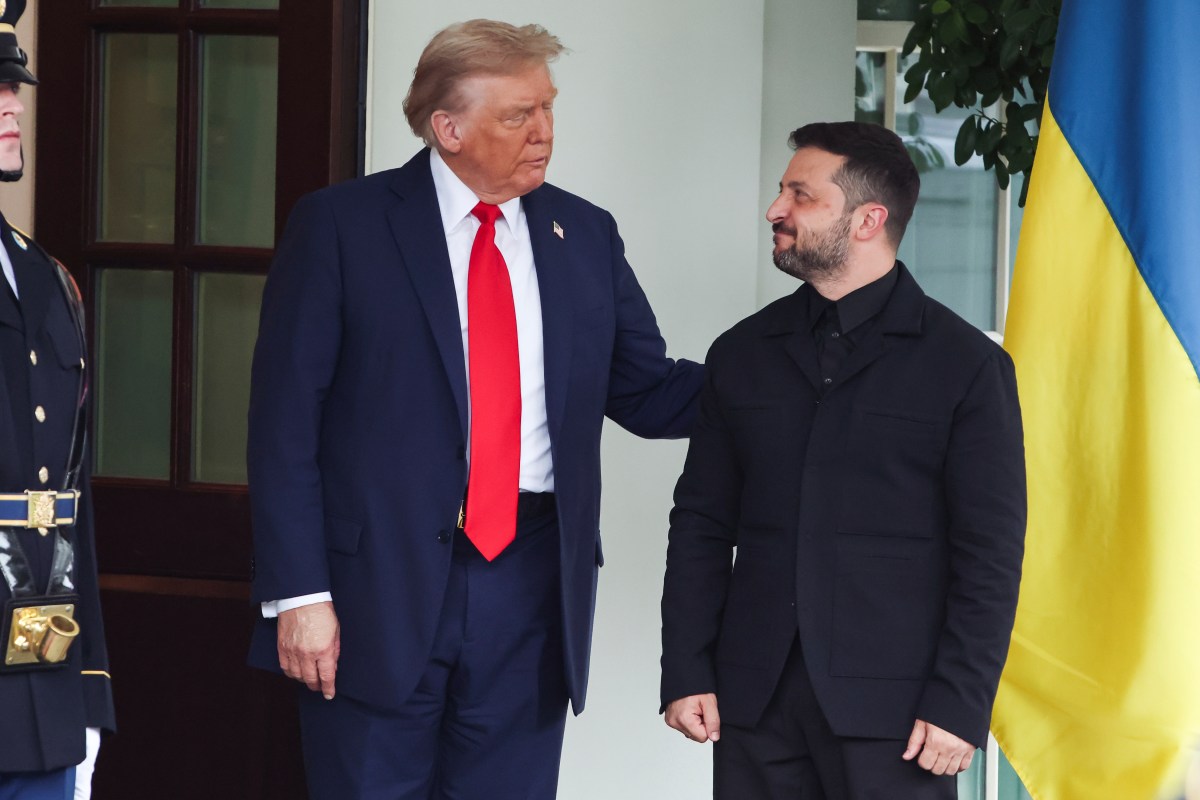
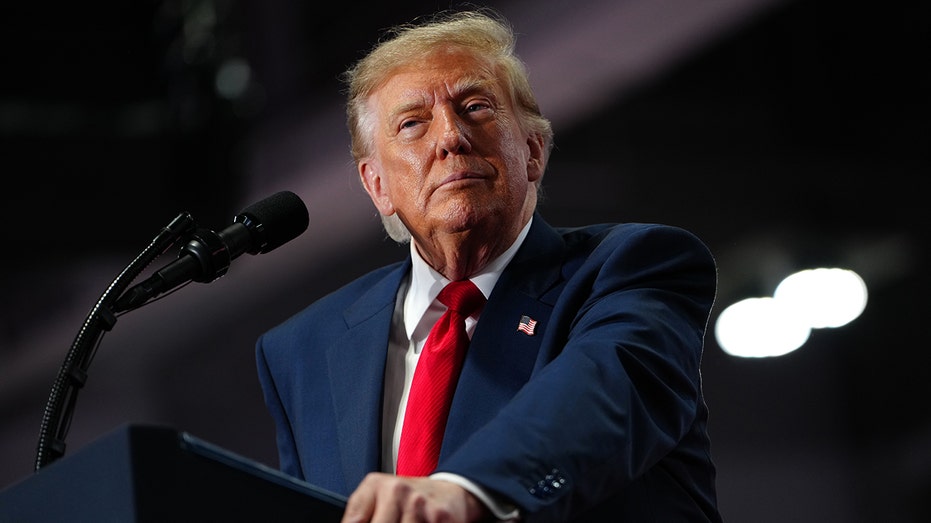
It seems Ukraine is back to imposing their own sanctions on Putin.” Video was also shared by UNITED24 Media, an X account with 110,000 followers that reports on the Ukraine war, which said: “More than 100 drones were reportedly shot down over Russia’s Rostov region, according to local authorities. In a post on his Truth Social website Trump wrote: “It was agreed that Russia will immediately supply over 300,000 Tons of Diesel Fuel to the American and Global Marketplace, another 500,000 Tons during the month of November, and 1,000,000 Tons immediately thereafter.” The president said Russia had agreed to supply another three million tons of diesel fuel in the long-term adding: “Diesel Prices for Americans and, indeed, the World, will be COMING DOWN, IN RECORD NUMBERS, AND FAST!” Speaking to Newsweek a White House official confirmed the Treasury Department had issued Russia-related General License 135, allowing the diesel fuel to enter the United States. However, the agreement sparked an angry response from Ukrainian President Volodymr Zelensky who said the deal would be used by Moscow to fund “further terror.” Zelensky added: “We count on America's fair support for our defence of life, for our defence of people in Ukraine, and on the United States having a correspondingly strong conversation with Russia.
A strong one, not a weak one.” European Union foreign affairs head Kaja Kallas also criticized the move which she said “provides Moscow with more revenues to wage war.” Speaking to the BBC Tim Armitage, an investment strategist who works for Quilter Cheviot, said the amount of diesel fuel Russia had agreed to release was “relatively small” adding: “So it won't make a material difference to pump prices in the U.S.” Diesel fuel prices increased by 70 percent in the United States following President Trump’s decision to launch military action against Iran in February according to . This has heightened inflation ahead of the midterm elections with polling showing most Americans don’t approve of Trump’s handling of the economy. Over recent months Ukraine has launched an intense drone campaign targeting Russian energy infrastructure including oil refineries, export terminals and fuel depots.
According to the International Energy Agency (IEA) in June Russian refinery output fell to its lowest level in 30 years due to strikes by August only five of Russia’s major refineries had escaped damage from Ukrainian drones. The IEA said the increased strikes were the result of “dramatic expansion of Ukraine’s technological and military capabilities” adding that during the first six months of 2026 a Russian refinery was hit once every three days on average. Ukraine’s oil facility strikes have led to fuel shortages in some parts of Russia with long lines forming for what is available.
Extract — continue reading at the source.