"I am deeply alarmed by the prevalence of these abhorrent acts documented in our report, and fear that they are almost certainly continuing amid the unceasing violence we are witnessing every day in Ukraine," said UN High Commissioner for Human Rights Volker Türk. Both crimes were committed by Russian troops, who account for 89% of perpetrators in the 1,004 cases included in the report. While the majority of documented victims are men, particularly those held in places of detention, women and children have been most severely affected in occupied Ukrainian territory.
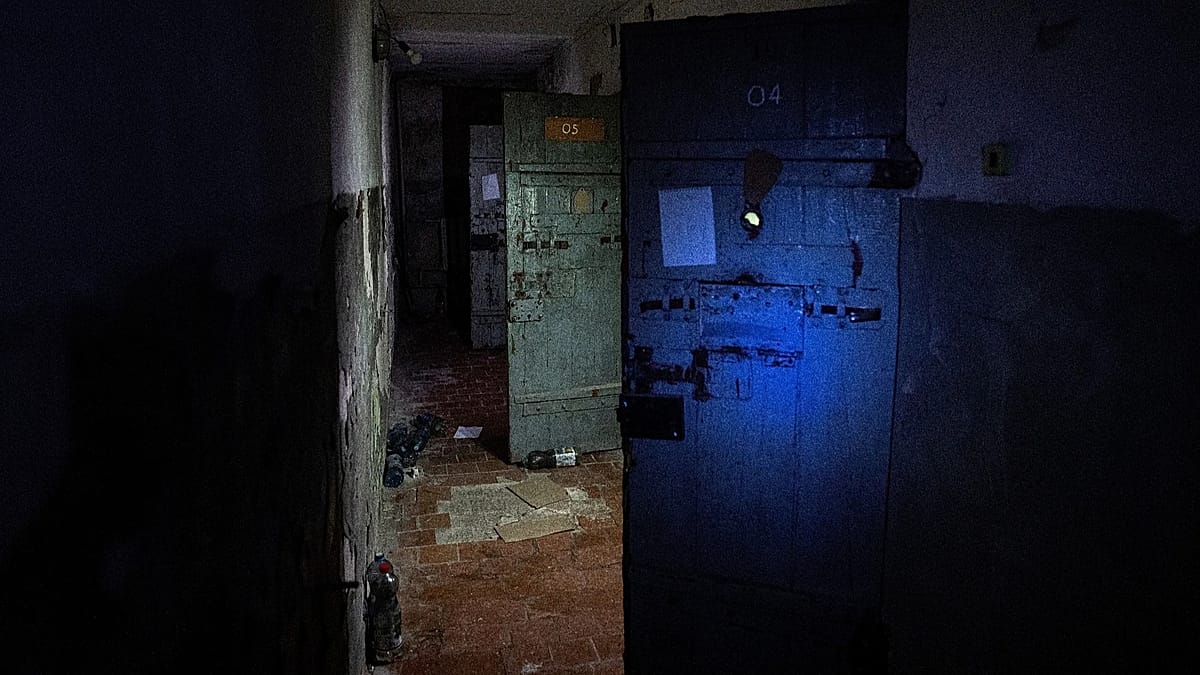
Crimes against Ukrainian prisoners of war and detained medical workers include gang rape, genital mutilation and other acts of sexual humiliation. The most common single method recorded was the use of a Soviet-era military field telephone known as a "tapik" to administer electric shocks to the genitals: 155 cases, or 27% of the total, involved this form of abuse at least once, the report says. Individual survivor testimonies documented in the report include Ukrainian prisoners of war sexually assaulted with objects such as batons, cell door keys or shovel handles.
A woman in Zaporizhzhia was raped several times a week for a month by a Russian soldier who promised better treatment for her detained husband. A woman in Kherson was assaulted nightly and repeatedly threatened with gang rape. In the Kyiv region, two Russian soldiers broke into a family home in 2022, shot and killed a woman's husband, then gang-raped her, threatening to shoot her in front of her four-year-old son if she resisted.
"Sexual violence is a grave feature of the full-scale armed attack against Ukraine. It must stop immediately, irrespective of the perpetrators," Türk said. "Given the high prevalence of cases attributed to its forces, however, the Russian Federation in particular must take concrete and discernible steps to protect civilians and prisoners of war from all forms of torture, including sexual violence." The 20-page report covers the period from 24 February 2022 to the end of July 2026 and draws on confidential interviews with hundreds of victims, along with court documents and official records.
Of the 11% of cases attributed to Ukrainian forces, nearly half involved threats of sexual violence against Russian prisoners of war and prisoners of war from third countries. The remainder included forced nudity, electric shocks and beatings to the genitals, sexually degrading treatment and two cases each of sexual assault and attempted rape. Russia was added to the UN Secretary-General's list of parties credibly suspected of committing sexual violence in conflict in May of this year — a list that includes Sudan, Somalia and Haiti as repeat offenders.
The Kremlin rejected the findings as politically motivated. The UN Human Rights Council's Independent International Commission of Inquiry on Ukraine has separately documented widespread use of torture by Russian authorities against Ukrainian civilians and prisoners of war in occupied territory and inside Russia. Russia formally withdrew from the European Convention for the Prevention of Torture in September 2025 following its expulsion from the Council of Europe, ending visits by European monitors to Russian detention facilities.
Extract — continue reading at the source.