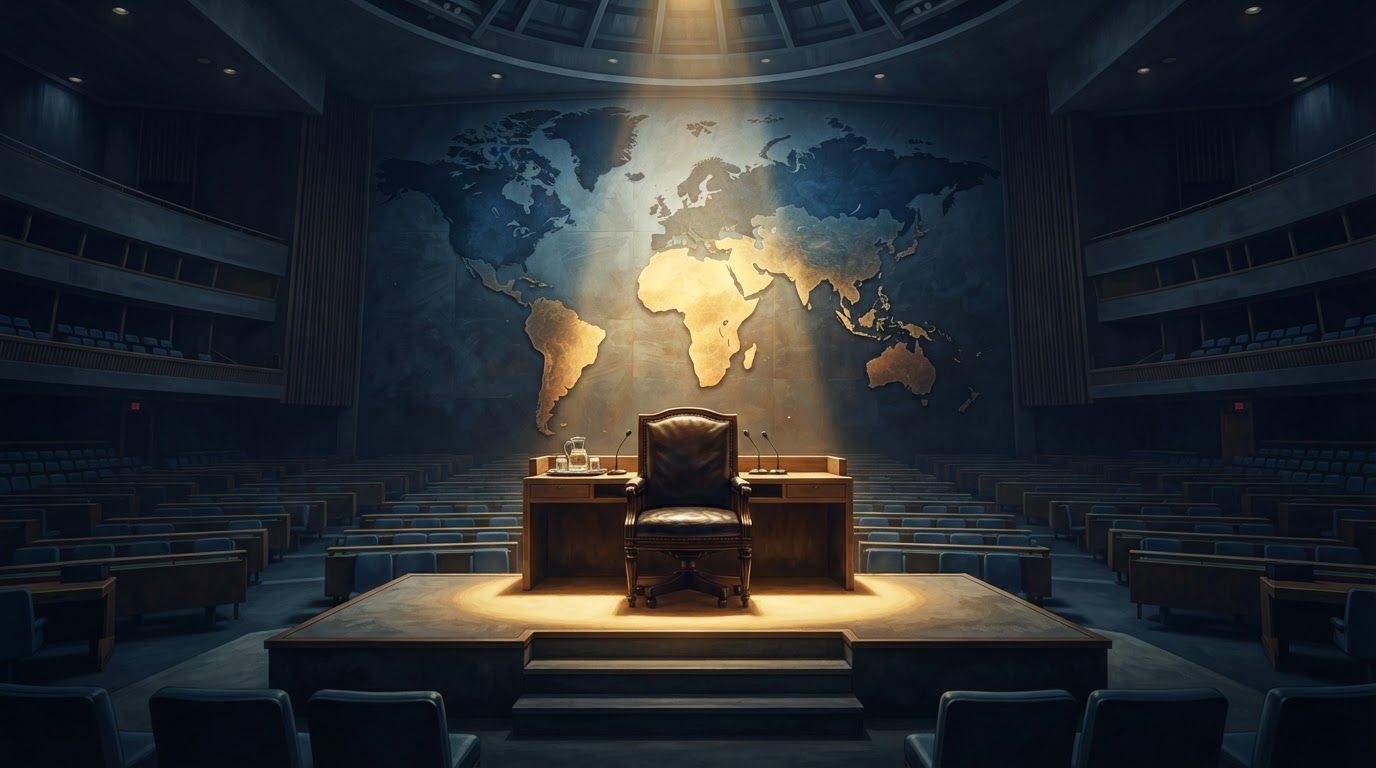
While the world keeps its eyes on wars, tariffs, and oil prices, a story is quietly unfolding in the corridors of the UN headquarters in New York, one that will largely shape the face of the organization for the decade to come. On December 31, 2026, António Guterres steps down as Secretary-General after serving two terms, and as early as January 1, 2027, his seat will be taken by the tenth head of the UN. Seven candidates are officially in the race, four of them women.
Whoever ends up the winner, difficult tasks await, because the significance, the influence, and the financial capacity of the UN are all under ever closer scrutiny from the global public. According to the UN Charter, the Secretary-General is "equal parts diplomat and advocate, civil servant and CEO." The person holding this post oversees several key UN bodies, among them the Security Council, which carries the responsibility of maintaining peace and security across the planet. The new Secretary-General will be elected by the UN General Assembly on the recommendation of the Security Council, whose permanent members are China, France, Russia, the United Kingdom, and the United States.
That is why the pool of potential contenders is limited, and the process itself promises to be complicated and strewn with obstacles. They are Latin Americans and Africans with solid diplomatic credentials behind them. The former president of Senegal and ex-chairman of the African Union, Macky Sall.
The head of the IAEA, Rafael Grossi of Argentina, a man used to putting out the hottest nuclear crises. The economist Rebeca Grynspan of Costa Rica, who currently leads the UN Conference on Trade and Development. The former president of the General Assembly, María Fernanda Espinosa of Ecuador, and her compatriot, the diplomat Ivonne A-Baki.
Guyana's permanent representative Carolyn Rodrigues-Birkett and the veteran of UN diplomacy from Uganda, Olara Otunnu. Until recently the list also included the former president of Chile, Michelle Bachelet, but she was the first to drop out of the running, having received only a single vote of support last week. The heated arguments are already beginning.
Yet behind this outwardly orderly process lies a genuine battle of meanings. And the main dividing line runs along the fault of West versus Global South. There are two unwritten rules at the UN that this time work against the established order.
Extract — continue reading at the source.