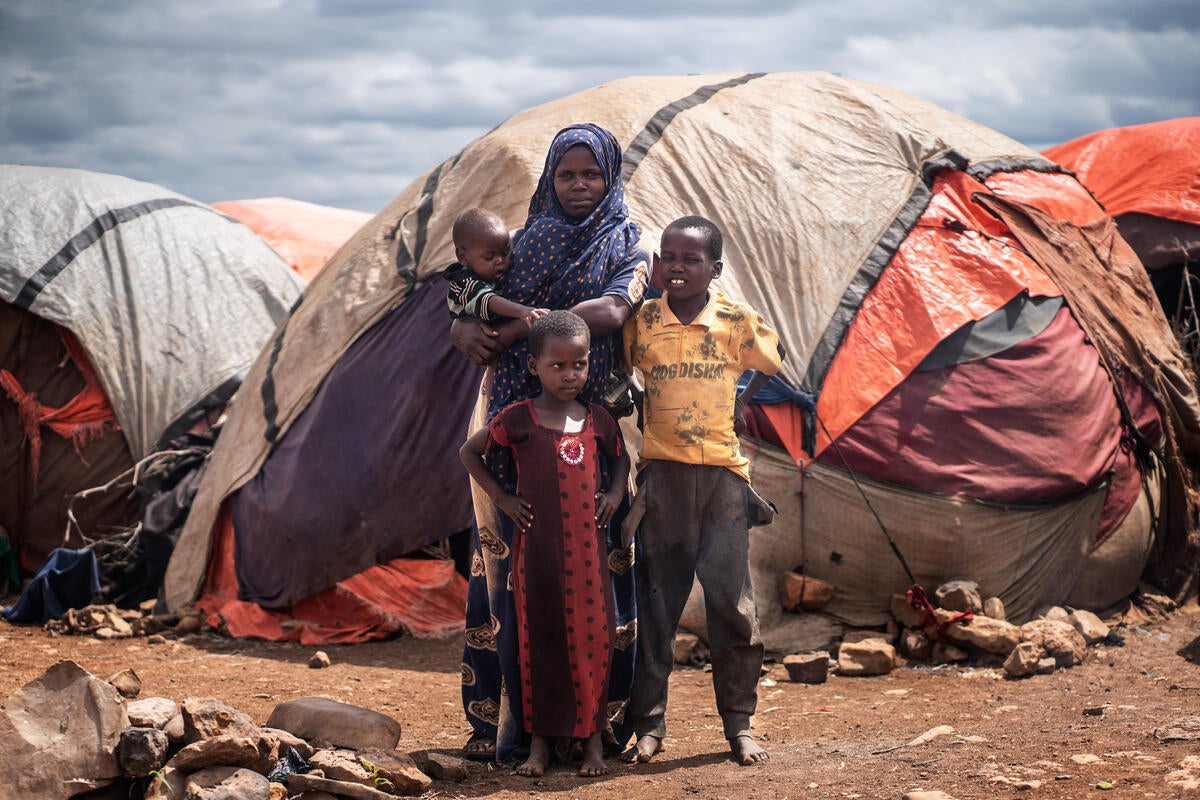
Aid cuts mean children around the world who facing some of the biggest climate challenges are falling “through the cracks” of the UK’s development agenda, the UN has warned. A new analysis from the UN agency for children (UNICEF) plots cuts to UK aid programmes against scores recorded in UNICEF’s recently-updated Global Child Hazard Database, which tracks how the world’s 1.1 billion children are exposed to climate threats – including droughts, extreme heat, cyclones, and floods – in different locations. The analysis, exclusively with The Independent, shows that Mozambique, Sierra Leone, Bangladesh, Nigeria and Pakistan are all set to see UK aid cuts of 49 per cent or above over the next three years, at the same time as over 59 per cent of children in these countries are exposed to three or more climate hazards.
Meanwhile, among the 28 countries facing UK aid cuts worth 30 per cent or more, 23 countries will see more than 50 per cent of children exposed to droughts and 12 countries will see more than 50 per cent of children exposed to extreme heat: two climate risks seen as particularly severe for developing countries in Africa. The new findings come as UNICEF prepares to launch a new campaign in September making the case that children should be a priority for UK aid efforts going forward. While fragile and conflict-affected countries, as well as women and girls, are regularly cited by ministers as key priorities in the UK’s development agenda, children are not normally cited as a distinct focus.
This can then be followed by a cyclone or a flood, further compounding challenges and leaving children with less and less ability to cope.” Najib Bajali, also from UNICEF UK, added that it “remains hard to understand the rationale that the Foreign Office has followed” - and particularly so given that “climate is a key driver of conflict”. The UK aid cut allocations, which saw the value of bilateral aid to nine African countries slashed by more than 80 per cent, have been widely criticised by development charities and MPs for the negative impact that they are set to have on livelihoods. There is also particular concern from aid agencies around the impact of climate extremes over the next 18 months due to the “super” El Niño: An ongoing climate event being driven by unusually warm temperatures in the Pacific.
The El Niño is set to bring particularly severe rainfall to Tanzania, Kenya, Ethiopia and Somalia, while Malawi, Mozambique, Zimbabwe, and Madagascar are set to experience intense droughts. One of the countries facing the most severe climate risks in Africa is Nigeria, which is set to see its aid from the UK decline by 50 per cent. The UNICEF Global Hazards database shows nearly 89 million children in Nigeria are exposed to three or more climate hazards, while around 100.8 million are exposed to extreme heat, 95.4 million to heatwaves and 111.6 million to drought.
In practical terms, that means millions of children are growing up with overlapping risks to their health, nutrition, water, education and safety, while Nigeria’s health system faces mounting pressure from climate-sensitive disease. Speaking to The Independent in London this week, Judith Leveillee, chief of field for UNICEF Nigeria said: “Climate change is real and is impacting everything in Nigeria. The biggest challenges can be when it manifests as a conflict for resources, for example over wood, water, food, or land.” When a climate shock hits, she added, girls “will be forced into marriage, because that's considered a coping mechanism by parents who are struggling to make ends meet”.
Boys, too, are “forced to leave school early, start contributing, find a job, or migrate” in times of drought. She also praised a major multimillion-pound UK aid programme ongoing in Nigeria until 2028 called Climate Resilience Infrastructures for Basic Services, or CRIBS, which UNICEF is implementing. Set to be formally announced next month, UNICEF UK is launching a campaign, No Choice But Childhood, calling for child-focused programmes to be allocated at least 25 per cent of UK aid going forward.
Extract — continue reading at the source.