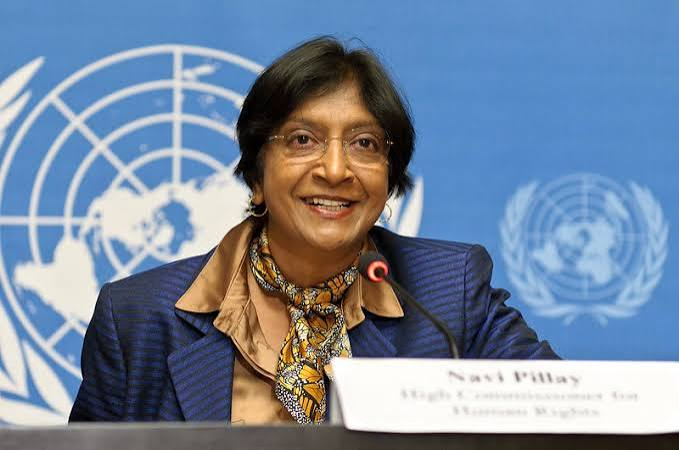
UN Watch has strongly criticised the decision to award the 2026 Nobel Peace Prize to South African jurist and former United Nations human rights chief Navi Pillay, accusing her of demonstrating bias against Israel and defending a colleague who made remarks widely condemned as antisemitic. The Geneva-based organisation, which monitors the activities of the United Nations, issued its criticism following the Norwegian Nobel Committee's announcement on October 9 that Pillay had been selected for her contributions to international peace and law. The Nobel Committee recognised the 85-year-old jurist's decades-long career in international justice, including her work in South Africa's judiciary, international criminal tribunals and the United Nations.
However, UN Watch Executive Director Hillel Neuer argued that Pillay's record as chair of a UN commission investigating alleged violations by Israel raised serious questions about her impartiality. Her troubling record on antisemitism and gross breach of ethics in presiding over a notorious UN commission utterly disqualifies her from such an award,” Neuer said. Honoring Pillay without confronting this record undermines those principles and risks rewarding prejudice rather than advancing peace.” Neuer's criticism centred on Pillay's appointment in July 2021 to lead the UN Independent International Commission of Inquiry on the Occupied Palestinian Territory, including East Jerusalem, and Israel.
According to UN Watch, Pillay had publicly expressed positions on Israeli policies before accepting the role, raising concerns within the organisation about whether she could approach the investigation impartially. The group pointed to her endorsement of a June 2020 manifesto calling for sanctions against Israel and a June 2021 letter urging US President Joe Biden to take action against Israel following its military confrontation with Hamas. UN Watch has previously called for Pillay to recuse herself from the commission, arguing that her public positions created at least the appearance of prejudgment.
The organisation also revived controversy surrounding comments made in July 2022 by Miloon Kothari, another member of the commission, who referred to “the Jewish Lobby” and questioned Israel's membership of the United Nations. Those remarks drew criticism from governments and senior UN officials, who raised concerns about antisemitic stereotypes. Neuer accused Pillay of failing to respond adequately to the controversy.
UN Watch further cited a controversy in Berlin in 2022, when a planned event honouring Pillay was cancelled after the city's mayor withdrew support amid criticism of her positions concerning Israel. The organisation argued that the Nobel Committee should have considered these controversies before selecting Pillay for the prize. When an investigator campaigns to punish a country before examining the evidence, she compromises the credibility of both her findings and the institution she represents,” Neuer said.
He maintained that Pillay's response to Kothari's remarks raised additional concerns about the standards expected of senior international human rights officials. The accusations remain UN Watch's assessment of Pillay's conduct rather than an established finding that she violated professional ethics. Pillay has previously defended her impartiality in the face of criticism of the UN inquiry, while the commission's work has attracted both support from human rights advocates and opposition from Israel and its allies.
Extract — continue reading at the source.