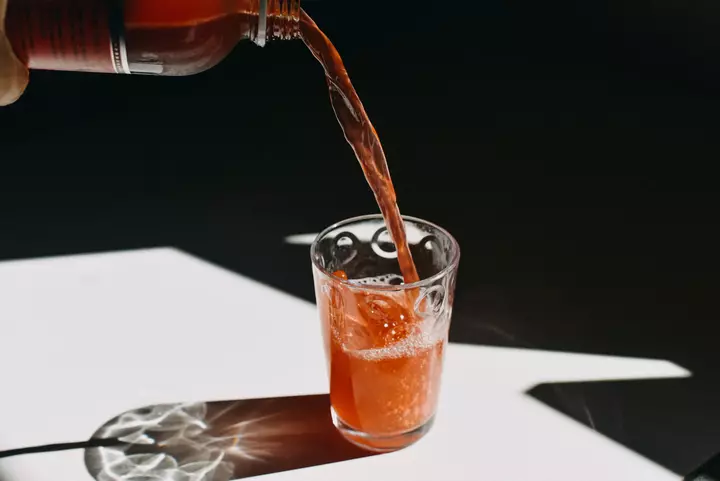
Young people and experts say they support the Welsh government's plan to ban children under 16 from buying high-caffeine energy drinks. The Welsh government said that evidence suggests a link between "consumption of high-caffeine energy drinks and negative health outcomes", and is considering a ban on under 16s buying them. BBC Wales spoke to young people in Cardiff who said they supported the proposed ban, with one 17-year-old saying it was "really easy to start relying on them".
The British Soft Drinks Association said the proposed ban was "unnecessary and not supported by robust evidence of overconsumption or harm". The news follows the ban in England where drinks like Red Bull, Monster, Relentless and Prime will be illegal to sell to under-16s from April, aimed at reducing obesity levels, disrupted sleep and anxiety. Any drink containing more than 150mg of caffeine per litre will be illegal to sell to children and younger teenagers in shops, restaurants, cafes, vending machines and online from next April in England.
Lower-caffeine soft drinks, such Diet Coke, as well as tea and coffee are not affected. Excessive caffeine consumption has been linked to headaches and sleep problems, and experts say young people can be more sensitive to caffeine as they have smaller bodies and their brains are still developing. Some popular drinks brands contain more caffeine than two cups of coffee or four cans of cola.
Vee, 17, from Cardiff, said she was happy about the proposed ban, while Sunny, 16, urged people to "just have a coffee" instead of an energy drink. Too much caffeine can cause a rapid heart rate, abnormal heart rhythms and seizures, and although rare, there have been some deaths linked to excess caffeine. The sugary versions of the drinks can also contribute to obesity and damaged teeth, according to the Association of UK Dieticians.
Currently any drink, other than tea or coffee, with over 150mg requires a label warning of its high caffeine content that says it is not recommended for children or pregnant or breast-feeding women. For most adults, up to 400mg of caffeine a day, or about four cups of instant coffee or five cups of tea, is safe. Aisling Pigott, a nutritionist and registered dietician in Cardiff, said she was pleased to hear of the proposed ban but that it was probably "10 years too late".
She said Wales has "disproportionate concerns around diet and lifestyle" and while this would not be a "magic bullet", it was a "step in the right direction". Pigott described caffeine as "a bit like going into your overdraft - you might immediately have a little bit more money or cash, but that does need to be repaid in some format". She said someone may have a little more concentration, but that is "followed by a crash".
Extract — continue reading at the source.