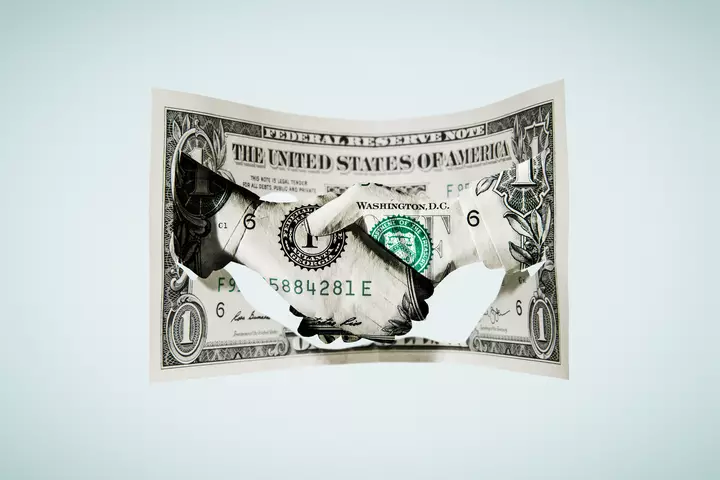
As everything gets more and more expensive, we believe there is a powerful solution: unions. Union contracts raise pay for workers. Anew report from the Economic Policy Institute shows that tripling union membership in this country would deliver a 14.5% raise to the median worker—more than $7,700 a year or the equivalent of 7.5 extra weeks of pay annually.
This adds up to nearly $270,000 over a 35-year career. Unions can also be powerful tools for combating racial pay discrimination; the new report shows tripling union membership would narrow the racial wage gap by more than a third. Tripling union density wouldn’t only benefit union members.
Nonunion workers would also see large raises, because strong unions lift standards across the economy. All told, EPI estimates that tripling union membership would shift $1.2 trillion of wealth in the economy to working people every year, reversing a third of the rise in inequality since 1979. And because union workers can win better benefits like health insurance, tripling union membership would also provide health care to 6.8 million more Americans.
It’s what the labor movement calls the union difference: higher wages, access to health care, retirement security, paid time off and sick leave, and dignity on the job. An economy where 30% of workers are union members isn’t a pipe dreamーit’s part of our own history. After New Deal policies of the 1930s and 40s secured workers’ legal rights, union membership soared.
In the 1950s, union membership was above 30%, and working people saw huge gains. Wages grew, and racial wage gaps shrank. A fundamental promise of a union is that the workers will share in the profit they create—and as soon as wealthy executives and shareholders saw their bottom lines under threat, they went to work attacking that progress.
Anti-union court rulings andso-called “right-to-work” state laws have broken the labor law that once protected workers. Relentless and retaliatory union-busting has created significant risks for unionizing, with corporations spendingmore than $1.5 billion a year to stop workers from exercising their fundamental right to organize. And the Trump Administration hasweakened worker protections at the Department of Labor and prevented the government agency charged with protecting workers’ rights to organize and bargain collectively from operating fornearly all of 2025, closing off workers’ avenue for justice.
Extract — continue reading at the source.