Google is one of the major players in AI (meaning machine learning) weather forecast model space. The models it and others generate have their strengths and weaknesses, but the main advantage is that they can have forecast performance similar to traditional models while requiring far less computing horsepower to run. That means they can be run more frequently.
Google recently released version 3 of its WeatherNext model, with the biggest change being that it now ingests some satellite weather data, shortening the lag time between current weather conditions and generating a new forecast. The update is detailed in a white paper. Many weather models make use of what’s called a “reanalysis,” which is a sort of model of its own.
Reanalyses take in all kinds of weather data and combine them into a single, consistent global snapshot of the atmosphere. That requires that they provide estimates for conditions over locations without real-world measurements, because weather forecast models need to work with a global picture. Nearly all AI weather models have been relying entirely on reanalyses, with machine-learning algorithms training on global reanalyses and spitting out a weather map in the same format.
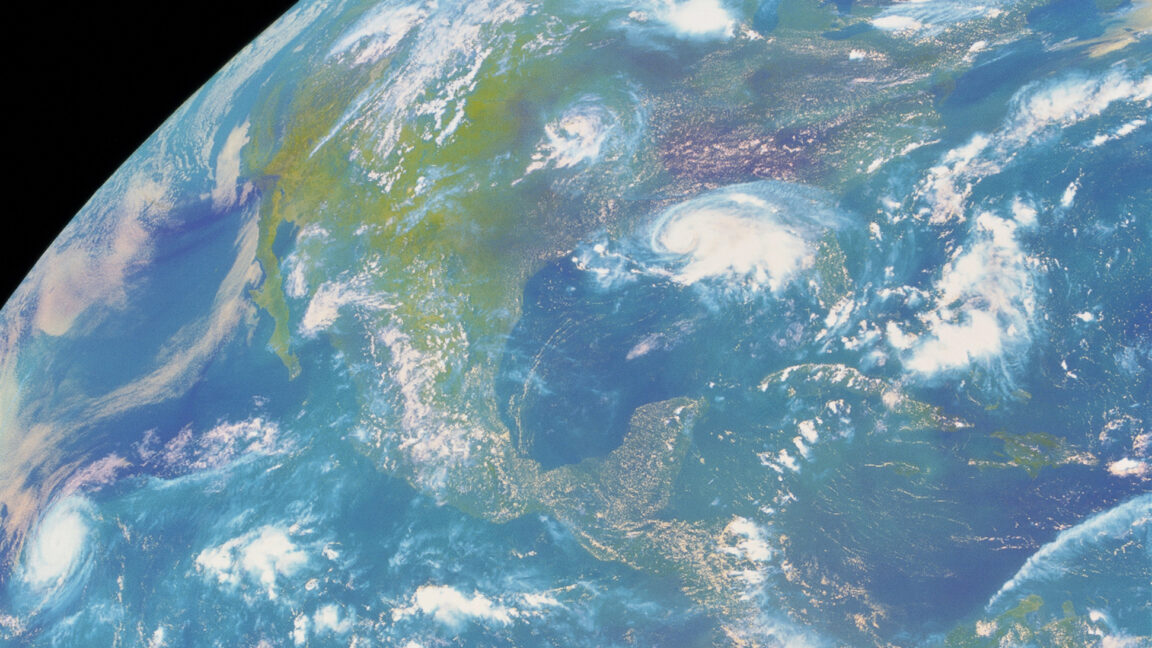
There are some compromises there—the raw data sources themselves may contain some information that gets lost in the reanalysis blender, and these global snapshots are generally only produced every six hours. Traditional weather forecast models often also take in other raw data, capturing as much information as possible to accurately represent the current state of the atmosphere so the model can use physics to simulate conditions forward. WeatherNext 3 now does some of this as well, adding in weather satellite data and upping the forecast frequency to hourly as a result.
There are some other changes, too. The spatial resolution has been increased, and the machine-learning model is larger, prompting some process tweaks to limit the increased computational demands. They also added a separate machine-learning model trained on satellite-based precipitation estimates, meaning there are multiple precipitation forecasts available.
Extract — continue reading at the source.