Agricultural experts believe the prolonged decline in the size of America’s cattle herd—and few indications of any imminent recovery—will continue to put upward pressure on the prices American households are paying for beef for the foreseeable future. Data from the Department of Agriculture (USDA) show that the country started the year with 86.2 million cattle, down more than 8 million compared to 2019 and marking the lowest level since the early 1950s. Several overlapping forces have helped drive the U.S. cattle herd to its smallest size in more than 65 years.
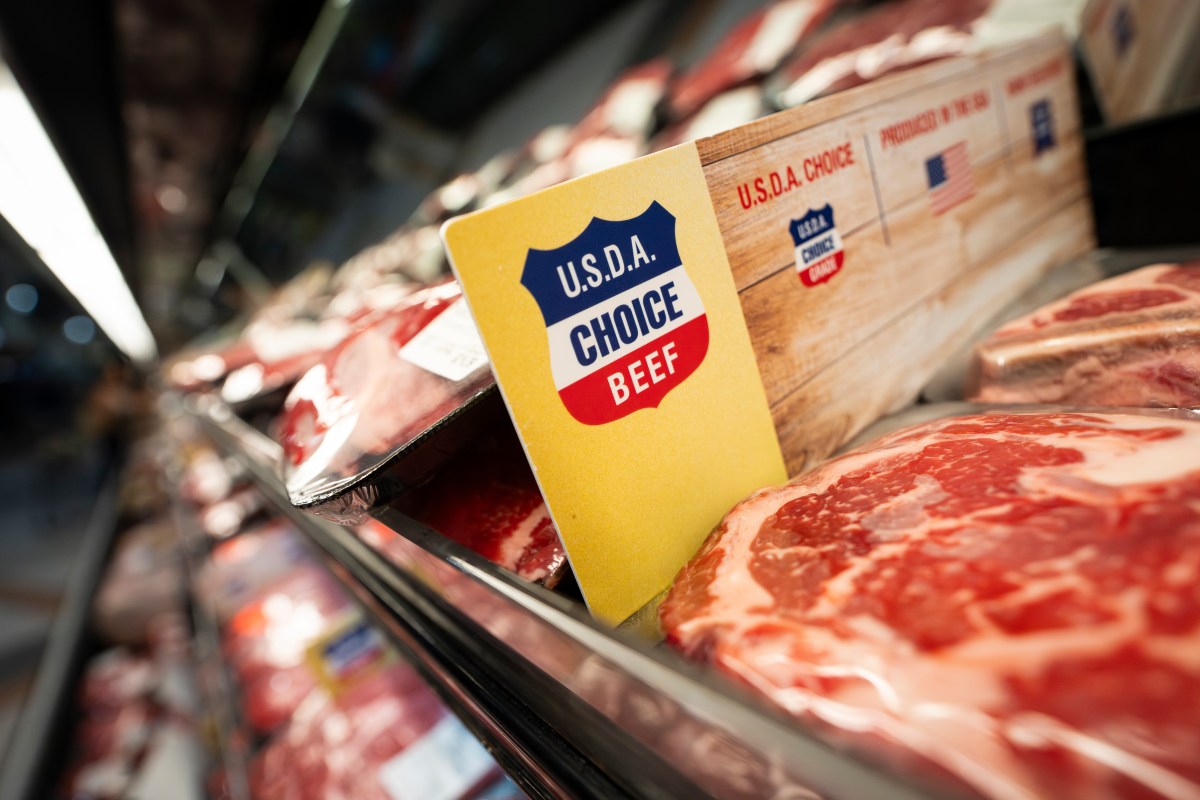
Droughts and high costs have reduced farmers' production potential, and rising prices themselves have weakened the incentives for heifer retention and delayed any meaningful rebuilding. And these supply issues have driven beef prices to record levels in the U.S. According to the latest inflation report from the Department of Labor, the beef and veal index is up 9.4 percent over the 12 months ending in July.
The most recent meat price reading from USDA’s Economic Research Service found that Americans are now paying more than $13 per pound for beef steaks—up from $11.88 last July—as the price of ground beef comes close to doubling compared with a decade ago. As well as domestic factors, trade policy uncertainty has compounded the pressures on supply and prices, according to Colin Carter, a professor emeritus of agricultural and resource economics at the University of California, Davis. In its latest market outlook, the USDA forecast tighter supplies persisting through the remainder of the year and into 2027.
The department’s cattle inventory report for July revealed that the U.S. inventory of cattle and calves reached 94.2 million head at the beginning of the month—a 200,000 lift that marked the first year-over-year hike for July since 2018. However, the number beef cows dropped to 28.5 million, an all-time low for July, which Bernt Nelson, an economist with the American Farm Bureau, said revealed that herd rebuilding “remains limited.” “The coming months will be critical in determining whether early signs of herd rebuilding gain momentum or whether supply constraints continue to define the cattle market cycle,” he wrote on Farm Bureau this week. Nelson said that recent USDA figures pointed to some “stabilization” in the U.S. cattle herd, but that the outlook remains skewed toward tight supply and elevated prices.
And Carter said that problem is cyclical and that the industry is concerned that “the big drop in the breeding herd will affect the future supply of feeder cattle, which can only originate from the breeding herd.” Ranchers rebuild by retaining heifers and breeding them rather than sending them for slaughter, meaning fewer animals will enter the beef supply chain and less beef will be available for consumers in the short term. As well as consumers, the ongoing cattle shortage and resulting price impact continues to hurt ranchers as well as America’s meatpackers. Last week, Tyson Foods—the largest of America’s "Big Four"—announced that it would be shutting down facilities amid what it called "one of the most historic cattle shortages the country has ever experienced." Thousands were abruptly laid off across plants in Illinois and Utah, weeks after the company said it was expecting to incur a loss of between $500 million and $650 million in its beef business for the current fiscal year, which ends in September.
This comes despite the concurrent increase in retail prices, which some—including Trump—had accused America’s meatpacking giants of exploiting for profit. Last year, Trump said that companies like Tyson Foods had engaged in “Illicit Collusion, Price Fixing, and Price Manipulation,” and the Justice Department continues to investigate the meatpacking industry over their alleged role in record consumer prices. Shrinking herd sizes have left fewer animals for processing, he said, driving up both per-head costs and cattle prices themselves.
Extract — continue reading at the source.