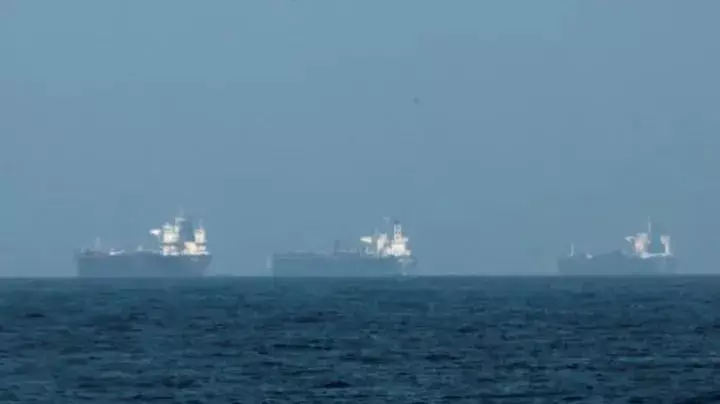
The United States is preparing a mechanism that could allow sanctioned oil tankers to return to legitimate commercial operations, as global tanker shortages and record-high freight rates place increasing pressure on international energy markets. According to Bloomberg, US Energy Secretary Chris Wright said the administration is considering a system under which investors could purchase and refurbish sanctioned tankers that are currently inactive, allowing them to transport oil that is not subject to sanctions. Wright stressed that the proposal would not involve a general lifting of sanctions on the vessels.
Instead, it would introduce a special authorisation mechanism enabling eligible tankers to resume lawful commercial activities under specified conditions. The Energy Secretary estimated that approximately 1,600 vessels worldwide are part of the so-called shadow fleet, a network of ships commonly associated with transporting oil subject to international restrictions. He suggested that the proposed mechanism could potentially return dozens or even hundreds of these vessels to legitimate oil transportation.
The initiative comes amid a sharp increase in global tanker charter rates, driven by disruptions to major shipping routes and growing demand for alternative transportation capacity. According to the Russian edition of Forbes, the cost of chartering a supertanker for a single voyage from the United States to China reached $80 million in October. With such vessels typically carrying approximately two million barrels of crude oil, the freight cost alone would amount to around $40 per barrel, equivalent to roughly half the quoted price of US West Texas Intermediate (WTI) crude. also reported that the supertanker Esteem Explorer was chartered for approximately $81 million to transport oil from the United States to Japan.
A comparable voyage would have cost an average of $9.1 million last year, illustrating the scale of the increase in maritime transportation expenses. The surge in shipping costs has been attributed primarily to military conflicts in the Middle East, restrictions affecting maritime traffic through the Strait of Hormuz, higher insurance premiums and increased demand for alternative shipping routes. However, analysts caution that the proposed US initiative may have a relatively limited impact on global tanker availability.
According to estimates by energy market analytics company Kpler, only 24 of approximately 160 supertankers currently subject to US sanctions could potentially return to commercial service once restrictions concerning vessel age and ownership are taken into account. The technical condition of ageing tankers also presents a significant challenge, as vessels would need to meet international safety, certification and insurance requirements before resuming operations. Furthermore, sanctions imposed independently by the European Union and the United Kingdom could continue to restrict the commercial activities of vessels authorised to operate under the proposed US mechanism.
As a result, while Washington's initiative could help expand available tanker capacity, its effectiveness would depend on the number of vessels capable of meeting regulatory and technical requirements, as well as the willingness of investors to finance their refurbishment and return to service. Here we are to serve you with news right now. It does not cost much, but worth your attention.
Extract — continue reading at the source.