Conservative backlash was supposed to put an end to the diversity, inclusion and equity (DEI) movement as companies were warned “go woke, go broke”. In January 2025, Donald Trump delivered a death knell, ending DEI within the federal government with executive orders and threatening to target companies that still supported it. Companies including Google, Goldman Sachs, McDonald’s and Walmart that had embraced DEI years earlier fell into line and announced an end to their policies.
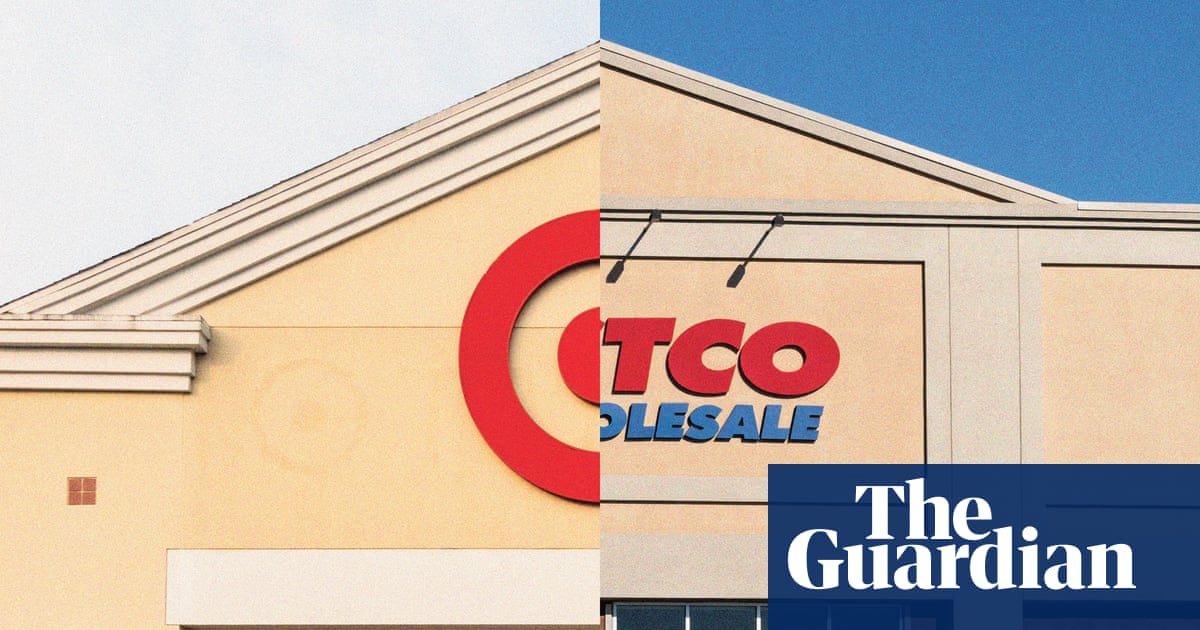
But new research published Friday and shared exclusively with the Guardian found that companies that resisted the pressure and kept their DEI practices, including Costco, Apple and Delta Air Lines, performed just as well as their competitors who pulled back. For the research, Jacob Grumbach, an associate professor at at the University of California at Berkeley’s Goldman School of Public Policy, analyzed how S&P 500 companies fared after Trump’s January executive order. He used what economists define as “abnormal returns” – the difference between how a stock was expected to perform versus how it actually performed – to isolate the impact of a company’s DEI decision.
What he found was the firms that kept their DEI policies or voted down anti-DEI shareholder resolutions did just as well financially, even after Trump’s executive order, as firms that didn’t. In the days after the executive orders were signed, companies that kept their DEI policies actually performed better on the stock market than those that didn’t. Whether or not DEI benefits a company’s bottom line can depend on its consumers.
Grumbach noted companies that publicly stood firm on their DEI policies might have known they could weather a political storm. Apple, for example, may have known it could maintain its DEI efforts in a way that Tractor Supply, another prominent company that pulled back its policies, could not. The “go woke, go broke” movement found its power in 2023, when a series of conservative backlashes against companies gained momentum.
Bud Light sales dropped following a conservative boycott after the beer company featured transgender influencer Dylan Mulvaney. Target became an embodiment of its name after fury erupted over its pride month merchandise. Ron DeSantis, the Florida governor, embarked on a prolonged fight with Disney after the company vocally opposed the state’s “don’t say gay” bill.
Many quietly scrapped the DEI promises they had made after the murder of George Floyd and the racial reckoning it inspired. Some ended up facing a reverse backlash: the Twin Cities Pride parade dropped Target, which is based in Minneapolis, as a sponsor after the company withdrew some of its DEI policies. But the reality of this pullback was likely different from what was seen in the headlines, Glasgow said.
Extract — continue reading at the source.