US inflation rose by more than expected in the year to September, according to official figures, in the final data release before the midterm elections next month. The pace of price rises increased to 3.7%, up from 3.4% in the 12 months to August. Inflation was above forecasts, driven by higher gasoline prices which have spiked following disruption to Middle East energy supplies due to the US-Israel conflict with Iran.
The elections are being fought over cost of living pressures across the US. Inflation is the rate at which the price of products or services increase over time. For example, if a bottle of milk costs $1 but rises to $1.10 a year later, then annual inflation for bottled milk is 10%.
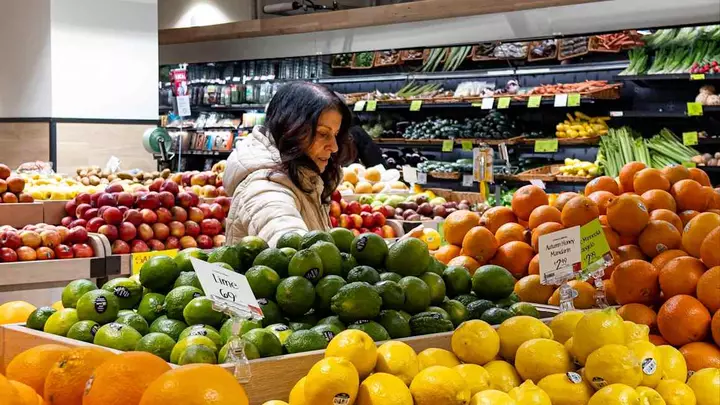
Officials from the Bureau of Labor Statistics measure inflation through the consumer price index (CPI). It tracks the price changes of hundreds of different goods and services, from groceries, to clothing, energy and medical services. These are things purchase for their day-to-day lives and the the Bureau of Labor Statistics uses the data to work out the overall level of inflation in the US economy.
The bureau, which has been measuring inflation for more than 110 years, updates this so-called basket of goods over time as peoples' spending and lifestyle habits change. Cars and radios were not included in early data, while ice was later replaced by refridgeration in the energy section alongside fuel and electricity. There are several factors that can cause inflation to rise.
If demand for a product outstrips its supply, that can lead to producers raising prices - the craze for Labubu dolls in recent years and the high resale prices are an example. Higher incomes can also lead to higher demand, for example, which in turn pushes up prices. Supply can also affect inflation.
If supply of a product is reduced, but demand remains constant, that will cause prices to rise. A good example of this is crude oil, which is used to make gasoline and diesel. Before the US-Israel war with Iran began, it was trading at just over $70 a barrel but when the conflict constricted crude supplies, the price quickly rose and is currently over $100.
Extract — continue reading at the source.