Why do some new skills seem to click almost instantly while others remain frustratingly difficult even after repeated practice? The difference may involve more than talent or effort. It may also depend on whether the brain is in the right condition to turn practice into lasting learning.
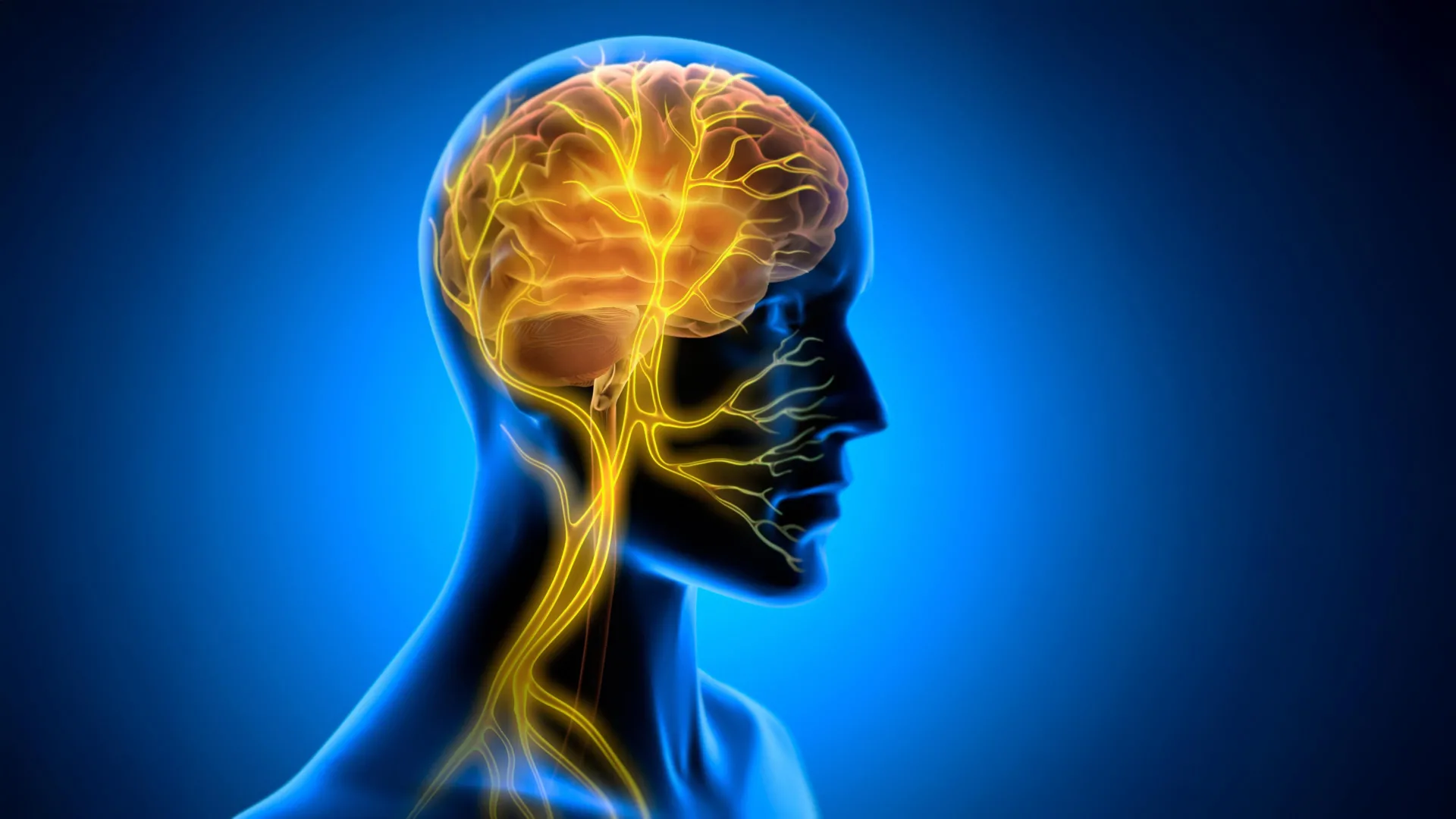
Learning does not happen independently of the rest of the body. Internal organs constantly send information to the brain through the vagus nerve, one of the nervous system's major communication pathways. Researchers at Tohoku University who study super network brain physiology have now shown in mice that stimulating this nerve after training can strengthen long term motor learning.
Their findings point to a previously overlooked role for communication from the body to the brain in helping new skills persist. The findings were published in iScience on August 25, 2026. The vagus nerve serves as a major information highway between the brain and the body.
It carries signals from internal organs to the brain while also transmitting instructions from the brain back to those organs. Scientists can influence this pathway using vagus nerve stimulation (VNS), which is already clinically approved for treating several disorders. Earlier research has mainly explored VNS as a form of neuromodulation that changes activity in neurotransmitter systems.
The new study suggests there may be another important mechanism involved: rhythmic changes in blood vessels inside the brain. To investigate this possibility, the researchers created a small cuff electrode designed to stay attached to the left cervical vagus nerve in mice. They then tested VNS during horizontal optokinetic response (HOKR) learning, a cerebellum dependent eye movement task that teaches mice to improve their ability to follow moving visual stripes.
The response is similar to the automatic eye movements a person makes while standing on a platform and watching a train move past. The Biggest Effect Appeared After Practice The researchers applied VNS after each training session rather than during the learning task itself. The stimulation did not immediately improve performance while the mice were training.
Extract — continue reading at the source.