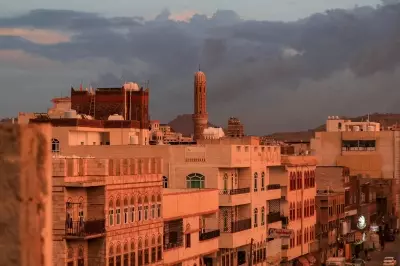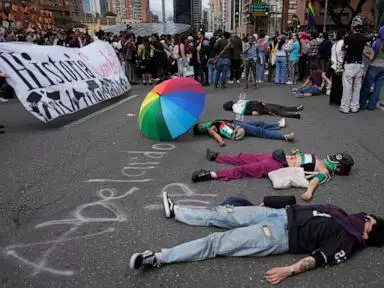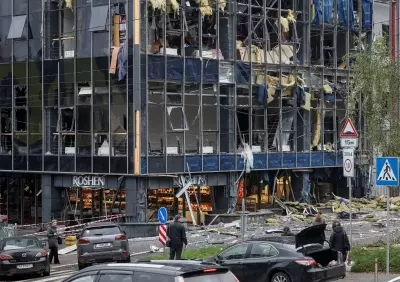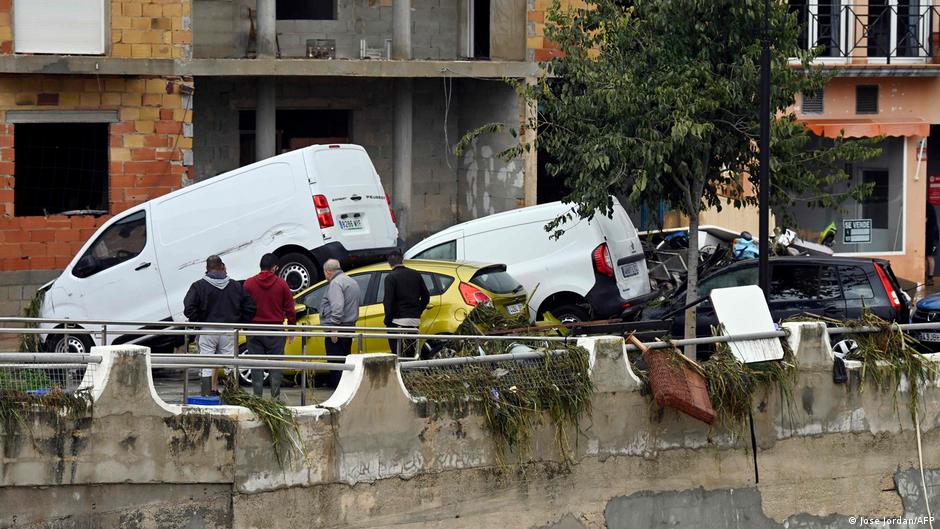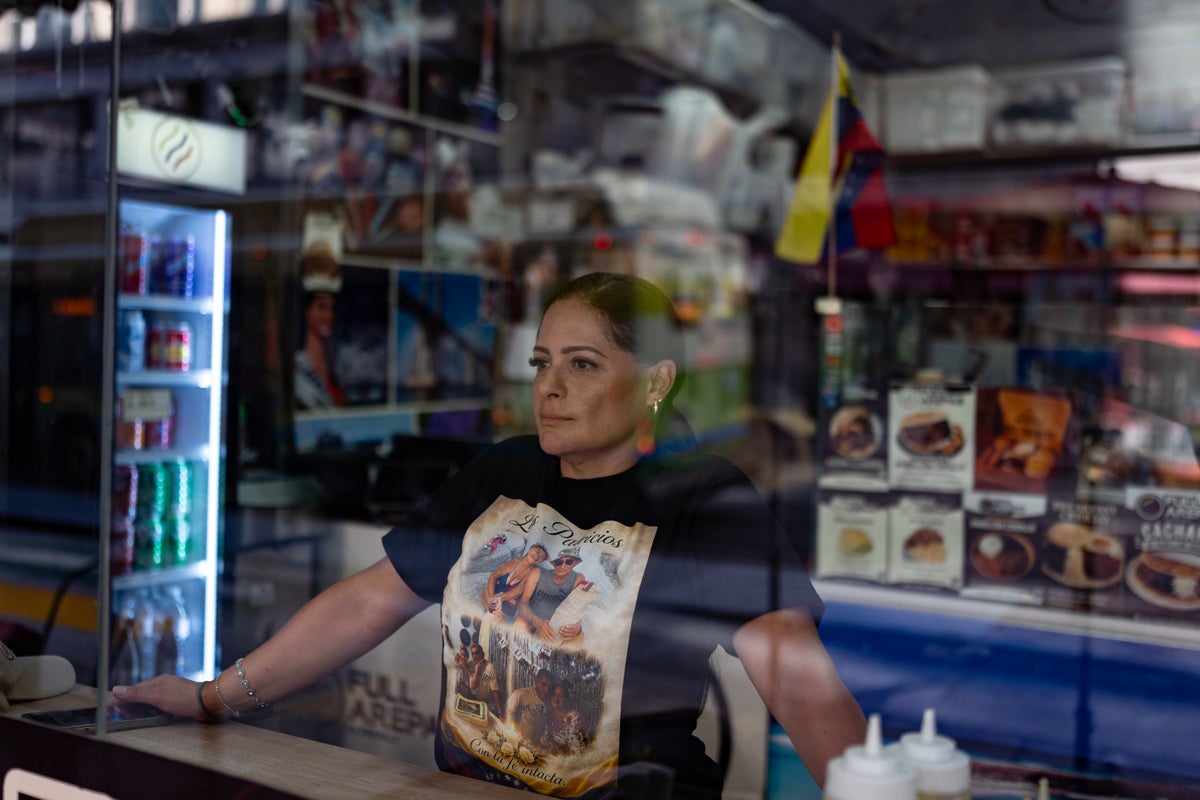
After her parents went missing under the rubble of their Venezuela apartment building, Kelly Granado Montano spent her days here “lost, worried, on the phone,” her body in one country, her mind in another. She was among the more than one million Venezuelans living in the United States who watched one of the worst disasters to hit the South American country unfold from afar. The powerful back-to-back earthquakes that struck north-central Venezuela on June 24 killed more than 6,500 people, left an untold number missing and damaged thousands of buildings.
As the news overtook social media feeds and family WhatsApp chats, survivor’s guilt, anger toward Venezuelan authorities and a devastating feeling of powerlessness overcame many in the diaspora, a group whose numbers reached 1.2 million by 2024, as people sought relief primarily from economic hardship. More than two months later, some Venezuelans in the U.S. still navigate the earthquakes' aftermath — confronting loss and leading recovery efforts — against a backdrop of deepening uncertainty in both countries. As President Donald Trump tightens his grip on Venezuela’s domestic affairs following the stunning U.S. military operation that deposed then-President Nicolás Maduro in January, his administration is also ending programs that allow more than 700,000 Venezuelans to live and work here legally.
Some immigrants feel a responsibility to keep shining light on Venezuela’s ongoing needs and unique challenges. Granado Montano, 43, had not seen her parents, Marina and Jesús, for 11 years. Unable to leave the U.S., she fundraised for the search efforts and pleaded on social media for more help to reach the collapsed 10-story building in coastal Caraballeda where her family had been vacationing at the beach.
A group searching for their loved ones spent thousands hiring a machine to move debris, to little avail. Progress began when someone donated an excavator and a drone operator helped locate missing remains. Granado Montano was working at her arepas restaurant on Aug. 19, when a cousin texted: Her parents’ van was found in the underground garage, covered in rubble.
Inside were her parents and five other family members and their friends, including two children. Recovering her family after 57 days was “bittersweet,” she said. Going out with friends or his girlfriend sometimes triggered panic attacks.
But it was sending aid that kept him moving forward. He raised $2,000 for earthquake survivors, including his own displaced family members. But soon came a new blow: Another huge earthquake in Colombia, home to 2.8 million Venezuelans, including her sister Duneida.
Extract — continue reading at the source.