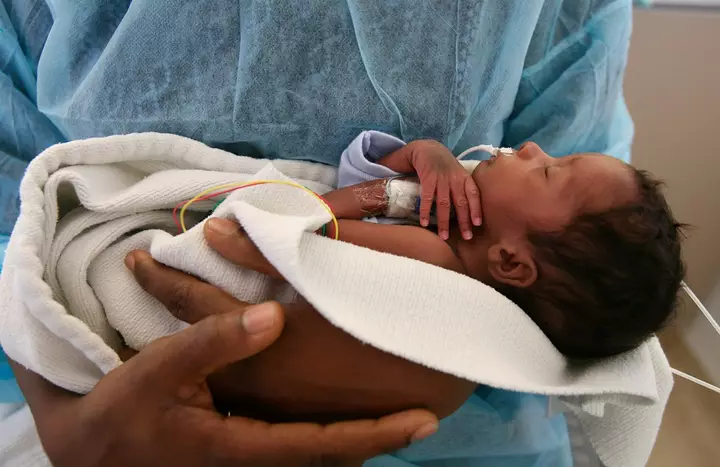
More babies in the United States are developing potentially life-threatening bleeding as increasing numbers of parents refuse a vitamin K injection routinely offered to newborns, according to new research. Peer-reviewed studies published on November 5 in JAMA and JAMA Pediatrics both found a rise in vitamin K deficiency bleeding (VKDB) among infants. "The data raise[s] concerns about increased parental rejection of vitamin K injections and potential harm to infants," says the JAMA Pediatrics study.
Vitamin K is essential for blood clotting, but babies are naturally born with low levels of the nutrient. Without sufficient amounts, they can develop serious internal bleeding, including in the brain. The research is the first to examine rising infant bleeding cases alongside increasing refusals of vitamin K shots over the past decade.
Newsweek contacted the American Academy of Pediatrics (AAP) via email on Wednesday for comment. The vitamin K shot is an injection given to newborns shortly after birth to help their blood clot properly. Vitamin K occurs naturally in green leafy vegetables such as spinach, kale and broccoli, as well as vegetable oils, eggs, meat and fermented foods But little passes from mother to child through the placenta during pregnancy.
Breast milk also contains relatively small amounts, leaving newborns vulnerable to vitamin K deficiency. The AAP has recommended the injection for all newborns since 1961. It is usually administered as a single injection into the baby's thigh within six hours of birth.
The shot provides protection during the first months of life, when babies are most vulnerable to VKDB. Importantly, the injection is a vitamin supplement, not a vaccine. The Centers for Disease Control and Prevention (CDC) identifies it as the most effective way to prevent VKDB.
The two studies published November 5 examined the relationship between declining vitamin K injections and rising bleeding cases. One study by researchers from Virginia Commonwealth University analyzed medical records for more than 11 million U.S. infants between 2017 and 2025. It found that diagnoses of vitamin K deficiency bleeding (VKDB) increased by 347.1 percent over the period.
Extract — continue reading at the source.