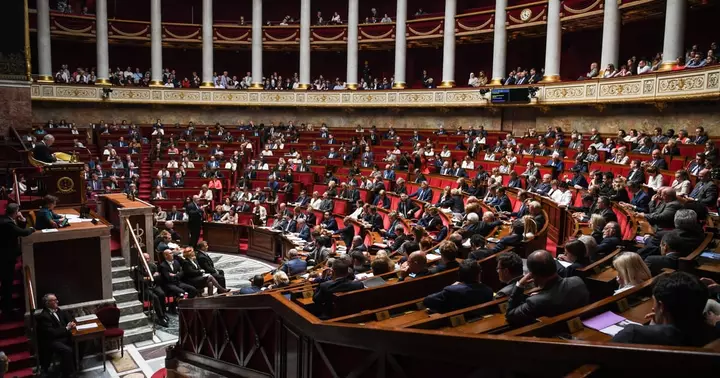
BRUSSELS — Ursula von der Leyen wanted to make a splash in her big speech. Instead, the European Commission president’s audacious offer of making Canada the EU’s first “associate member” has created a major diplomatic headache. The idea was not run past European capitals in advance and has caused considerable confusion, four diplomats told POLITICO.
Ottawa also appears to be distancing itself from the label — hours before Canadian Prime Minister Mark Carney is set to give his own speech to the European Parliament. Von der Leyen dropped the bombshell proposal during her State of the Union address Wednesday, directly addressing Carney from the floor of the Parliament. There is another big problem: No one seems to know exactly what associate membership would entail.
And within hours, Canada was tamping down expectations. The idea didn’t come out of nowhere. As U.S. tariffs and Donald Trump’s “51st state” threats strain ties, Canada is seeking to reduce its dependence on its neighbor, which receives roughly 70% of its exports, by deepening economic and security ties with Europe.
Ottawa has been exploring whether it can establish an unusually close relationship with the EU, the Wall Street Journal first reported last week. Carney publicly confirmed the broader ambition on Sunday, saying Canada was not seeking EU membership but rather a “unique alliance” with the bloc. But von der Leyen’s decision to announce the proposal, at the biggest annual set piece of her political calendar, caught EU member countries off guard, according to four European diplomats who said their governments were not informed.
They were granted anonymity, like others in this article, to speak candidly about their reactions the proposal. One diplomat slammed the secrecy as “dangerous” and “unwise,” pointing out that von der Leyen had not even raised the idea at a recent lunch with EU ambassadors. Another diplomat said the copy of the speech their government received in advance did not include the words associate membership.
And a different diplomat with knowledge of the discussions with Canada raised a different issue: “Nobody really knows what it [associate membership] means.” While the Commission president is under no obligation to flag any of the speech's content to capitals in advance, they would need to approve any formal plan to grant Canada an exceptional status. The idea has also raised questions about whether Britain could seek a similar deal. But EU officials have moved quickly to rule that out, stressing the model is intended for countries that cannot join the bloc.
Extract — continue reading at the source.