The National Weather Service (NWS) office has once again issued beach hazards statements for every Great Lake on Monday as beaches remain popular for those hoping to enjoy the shoulder season before fall officially sets in. Experts told Newsweek why they aren't typical in summer months. The slew of alerts comes only a few weeks after something similar occurred earlier this month, when the NWS issued beach hazards statements for roughly 1 million people living near the five Great Lakes: Lake Michigan, Lake Superior, Lake Huron, Lake Erie, and Lake Ontario, which President Donald Trump said via executive order is now called Lake America.
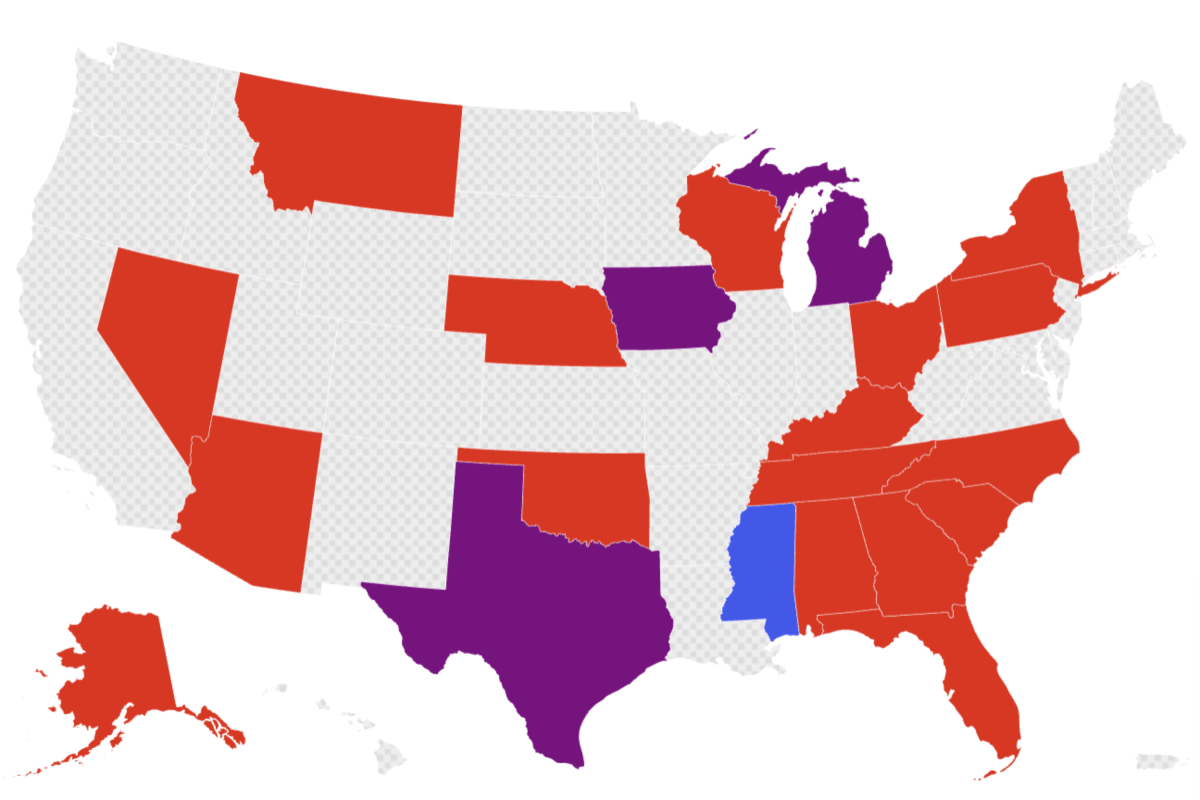
At the time, people were warned of dangerous currents and large waves and urged to stay out of the water. Once again, warnings were in place for each of the Great Lakes on Monday morning, but this time well over 8 million people were affected. Eastern time, NWS offices issued beach hazards statements for parts of Wisconsin, Minnesota, Michigan, Illinois, Indiana, Ohio, Pennsylvania, and New York, warning people to stay out of the water because of dangerous waves and currents.
The warnings were issued in Duluth, Minnesota; northwestern Wisconsin; Michigan's Upper Peninsula; nearly Wisconsin's entire Lake Michigan shoreline; northeastern Illinois; northwestern Indiana; northeastern Michigan; northern Ohio; northwestern Pennsylvania; and nearly New York's entire Lake Ontario shoreline. Many of the alerts are in place through Wednesday afternoon or evening, though some are set to expire earlier. While the beach hazards statements remain active, NWS meteorologists urged people to stay out of the water.
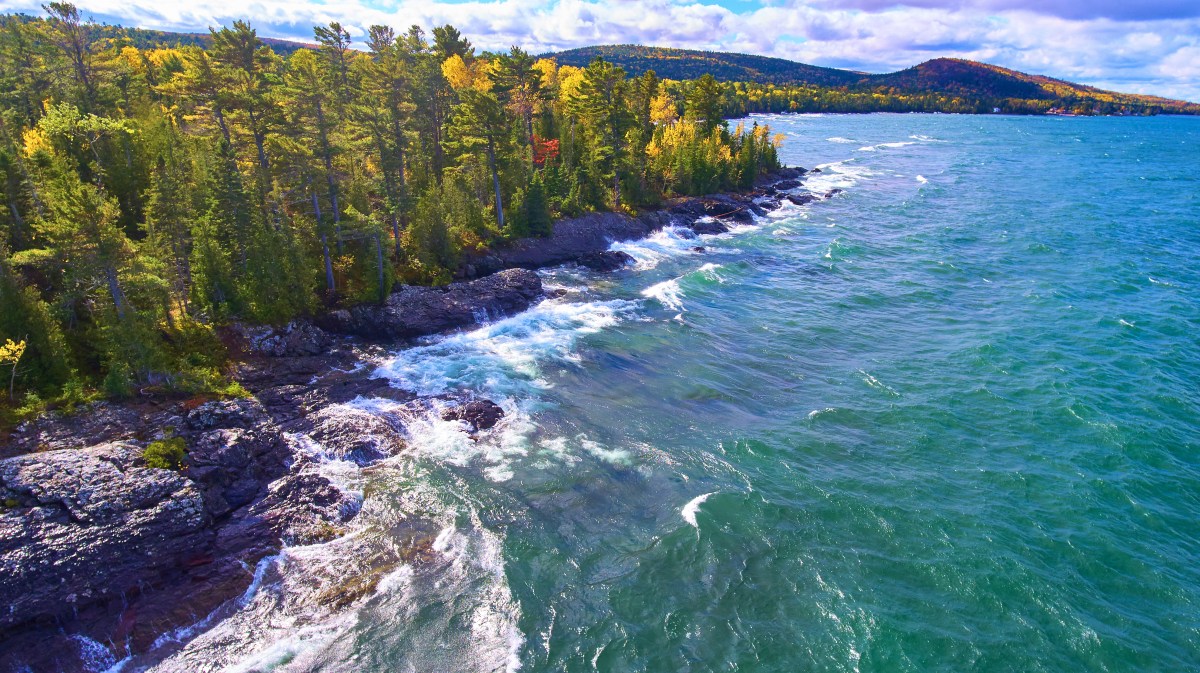
"Life-threatening waves and rip currents are expected. Stay out of the water and stay away from dangerous areas like piers and breakwalls," the NWS office in Duluth said. "Wind and wave action will cause currents on the lakeshore," NWS Cleveland said.
"Swimmers should not enter the water. Currents can carry swimmers away from shore through a sand bar and along structures extending out into the lake." While not typical during the summer months, NWS Weather Prediction Center meteorologist Bryan Jackson told Newsweek that widespread beach hazards statements can be issued as cooler air moves in during the shoulder season. "This is the time of year that you get more notable cold fronts," Jackson said, adding that a Canadian high-pressure system set up north of the Great Lakes was contributing to the dangerous waves and currents.
"There's a good pressure gradient up there, and it's still been warm, so people are wanting to go to the beach." During the winter, strong cold fronts contribute to lake effect snow and strong winds, as well as ice buildup on the lakes. The current beach hazards statements in place were issued because of a prolonged wind spawned by the high-pressure system to the north. "Generally speaking, you wouldn't get this strong of wind during the summer, so now that we're heading into fall, this is part of that transition into the cooler season," Jackson told Newsweek.
Extract — continue reading at the source.