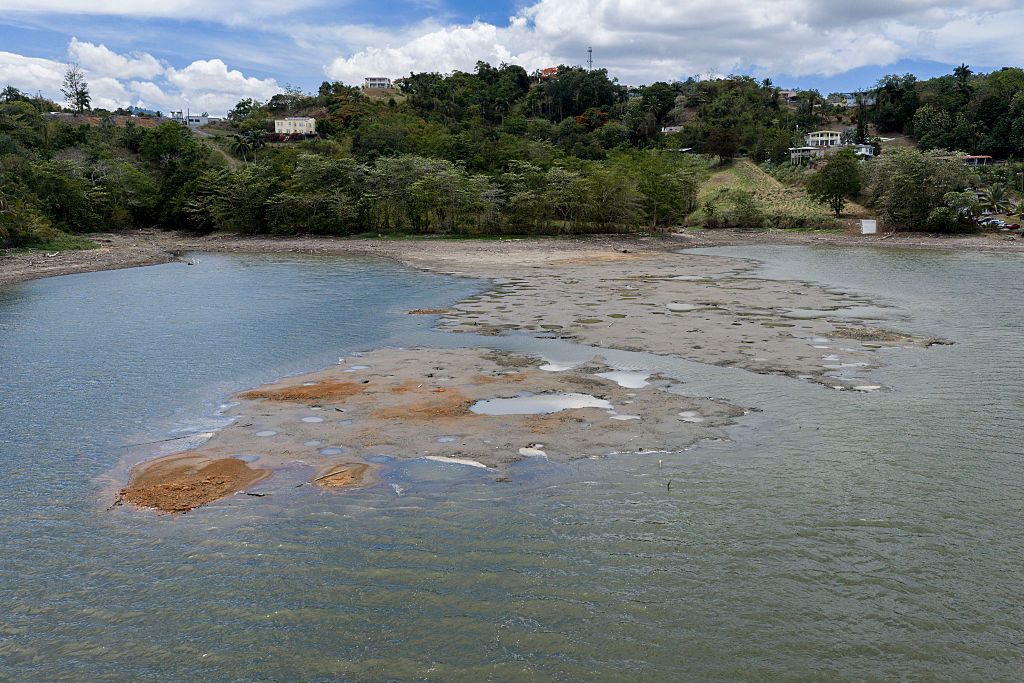
Hundreds of thousands of Puerto Rico residents have faced water rationing and service disruptions as drought and aging infrastructure strain the island's water system. Nine years after Hurricane Maria exposed weaknesses in critical infrastructure and government response, advocates say the current crisis is revealing a persistent gap between citizens and the institutions responsible for essential services. As officials manage shortages and emergency measures, questions are growing over accountability, transparency and how residents can effectively demand action before the next crisis strikes.
A White House official told Newsweek last month that the situation in Puerto Rico is being "closely" monitored. Newsweek contacted the White House via email for comment as well as the Puerto Rico Aqueduct and Sewer Authority, known as PRASA, for comment on its infrastructure modernization plans, ongoing drought response efforts and reported water loss rates within the system. Any response will be added when received.
The immediate cause of the crisis is a combination of severe drought conditions and an aging water distribution network that has struggled for decades. This past July was reported as the driest month on record in San Juan in more than 120 years, while large portions of the island entered moderate to severe drought conditions. Reservoir levels declined sharply, forcing officials to briefly implement water-rationing measures across multiple municipalities.
The underlying vulnerabilities, however, predate the drought. The New York City Bar Association's Puerto Rico Task Force noted in a September 3 report that water shortages have repeatedly affected Puerto Rico since before Hurricanes Irma and Maria, and that deteriorating infrastructure has magnified the impact of every new challenge. According to the organization, PRASA has reported losing up to 65 percent of the water it produces through leaks, pipe failures and overflows before it reaches customers.
A major pipeline failure in June further demonstrated how vulnerable the system remains. Emergency interventions temporarily stabilized service, but they did not resolve the larger questions surrounding maintenance, modernization and long-term reliability. The situation echoes concerns that surfaced after Hurricane Maria when damaged utilities exposed years of neglect within critical public systems.
While Maria devastated infrastructure through a natural disaster, today's water emergency is forcing scrutiny of what occurred before the crisis reached a breaking point. Nine years ago on September 20, Hurricane Maria devastated Puerto Rico, causing catastrophic damage, collapsing communications networks and triggering one of the most significant humanitarian crises in modern U.S. history. The storm and its aftermath revealed major weaknesses in infrastructure, emergency response systems and coordination among government agencies.
Extract — continue reading at the source.