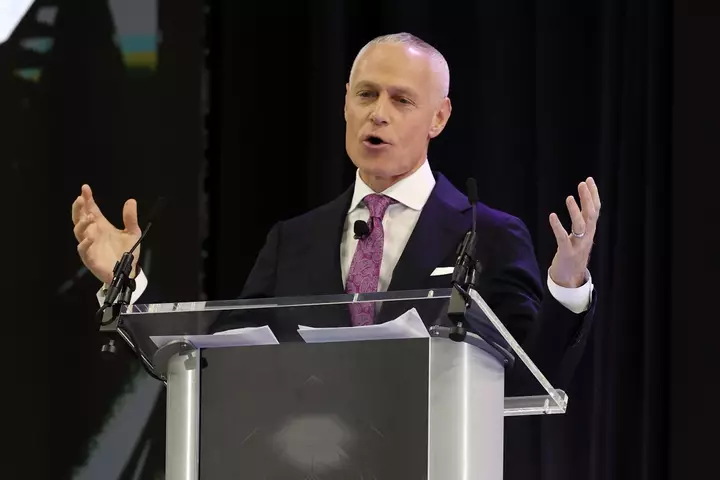
Chancellor John Healey and Prime Minister Andy Burnham have both spoken of their desire for the benefits bill to come down, but the government has not yet laid out a timetable for any reductions. Their political opponents have criticised them for a lack of detail on welfare reform in Wednesday's Budget, accusing the government of delaying difficult decisions over cuts. Official forecasts released alongside the Budget indicate welfare spending is going to increase by £79bn in cash terms over the next few years.
BBC Verify has taken a look at the numbers behind this thorny political issue and some of the difficult options the government have to bring down welfare costs. The official forecaster, the Office for Budget Responsibility (OBR), estimates in its latest forecasts that the cost of the welfare system will rise, external from £353bn this year to £431bn in 2032. The OBR's figures include spending on pensioners, which accounts for just under half of the total.
The majority of this cost is on the state pension. However, if we look at the size of welfare spending relative to the size of the overall economy the OBR's projections are less dramatic, increasing from 11.1% today to 11.3% of GDP in 2032. Total welfare spending would also remain below the peak of around 12% of GDP in 2013 following the global financial crisis, leading some economists and researchers to question the idea that welfare spending is out of control., external But there are some welfare costs that are rising rapidly.
Spending on health and disability related benefits, in particular Personal Independence Payments (PIP), is up sharply since the Covid-19 pandemic. Accounting for inflation, spending on working-age disability benefits increased from £14bn in 2020 to £25bn in 2026, external. Inflation-adjusted welfare spending remains lower than 2013 because several other working-age benefits, such as Universal Credit and housing benefit, were cut by Conservative-led governments as part of their austerity programme from 2010 onwards, external.
So spending in some parts of the system has come down while it has risen in others - and there could be a connection. Some researchers think the post-2010 welfare cuts to benefits might have created an incentive for people to claim sickness and disability benefits instead to protect their living standards, external, therefore shifting costs around the system rather than generating lasting savings. Many also see a specific problem regarding the growing number of young people in the welfare system claiming benefits, including PIP.
Official figures show the number of 16 to 24-year-olds who are not in employment, education or training (Neets) has risen, external by around 230,000 since 2019 to just under one million. Former Labour health secretary Alan Milburn is leading an official review into Neets and is expected to recommend major reforms designed to get many off benefits and into work. His interim report in May estimated that annual PIP expenditure on 16 to 24-year-olds rose from £1.3bn in 2020 to around £3.2bn in 2025, external.
Extract — continue reading at the source.