This article has been reviewed according to Science X's editorial process and policies. Editors have highlighted the following attributes while ensuring the content's credibility: Public health researchers have long examined how societal forces can shape health outcomes. Decades after redlining was outlawed, for example, researchers continue to document its lasting effects on life expectancy, chronic disease and access to health care resources in many communities.
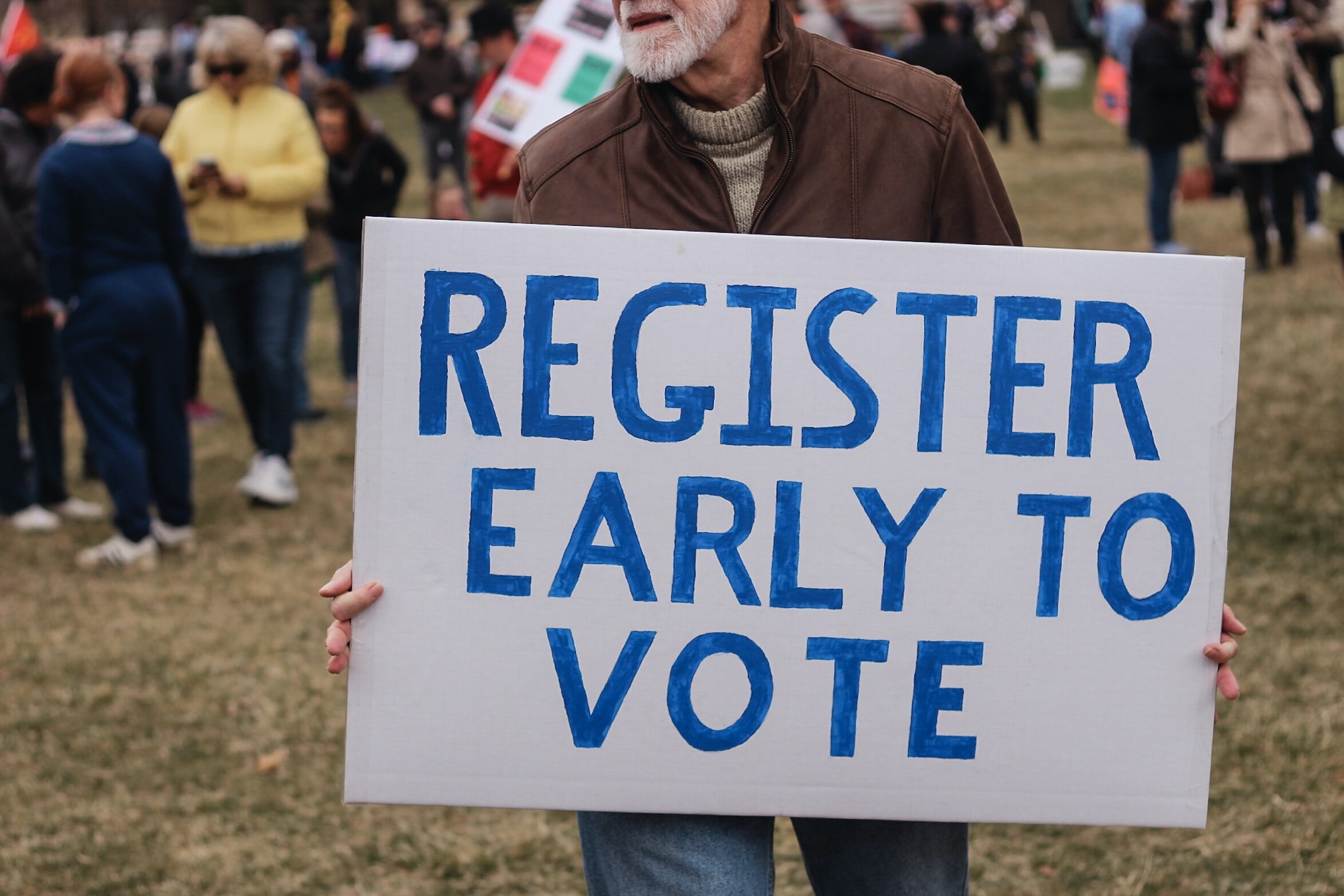
UC Davis psychiatrist Ruth Shim, a contributing author for JAMA Health Forum, suggests that another structural force deserves the same scrutiny: voter suppression. In her latest article, Shim makes the case that voting is a social determinant of health. She asserts that voter suppression is a structural determinant of health, one of the policies and practices that shape who has access to the conditions for good health.
"We have spent two decades bringing the social determinants of health into clinical practice, but we have paid far less attention to the structures that create them," said Shim, professor in the UC Davis Department of Psychiatry and Behavioral Sciences. "Voter suppression is one of those structures, and it can be changed." Shim notes that U.S. voter turnout lags behind many other countries, in part because states administer elections and set their own registration rules. She also points to the Supreme Court's 2013 decision in Shelby County v.
Holder, which was followed by polling place closures that reduced voting access in communities of color, lower-income communities and rural areas. Shim highlights studies showing links between voter participation and population health. Research has found that states with lower voter turnout have worse health outcomes, while people in poor health are less likely to vote.
Together, those findings point to what Shim calls a vicious cycle of voter suppression and poor health. Some of the most striking evidence comes from historical analyses. One study cited by Shim found that passage of the Voting Rights Act of 1965 was associated with significant reductions in Black infant deaths in Jim Crow states.
Other studies have examined the health consequences of voting restrictions. Shim points to research linking felony disenfranchisement laws with increased depressive symptoms among Black people, but not among white people. Shim notes that health professionals, who are trusted messengers in the communities affected by health disparities, can support voter registration in health care settings.
Extract — continue reading at the source.


