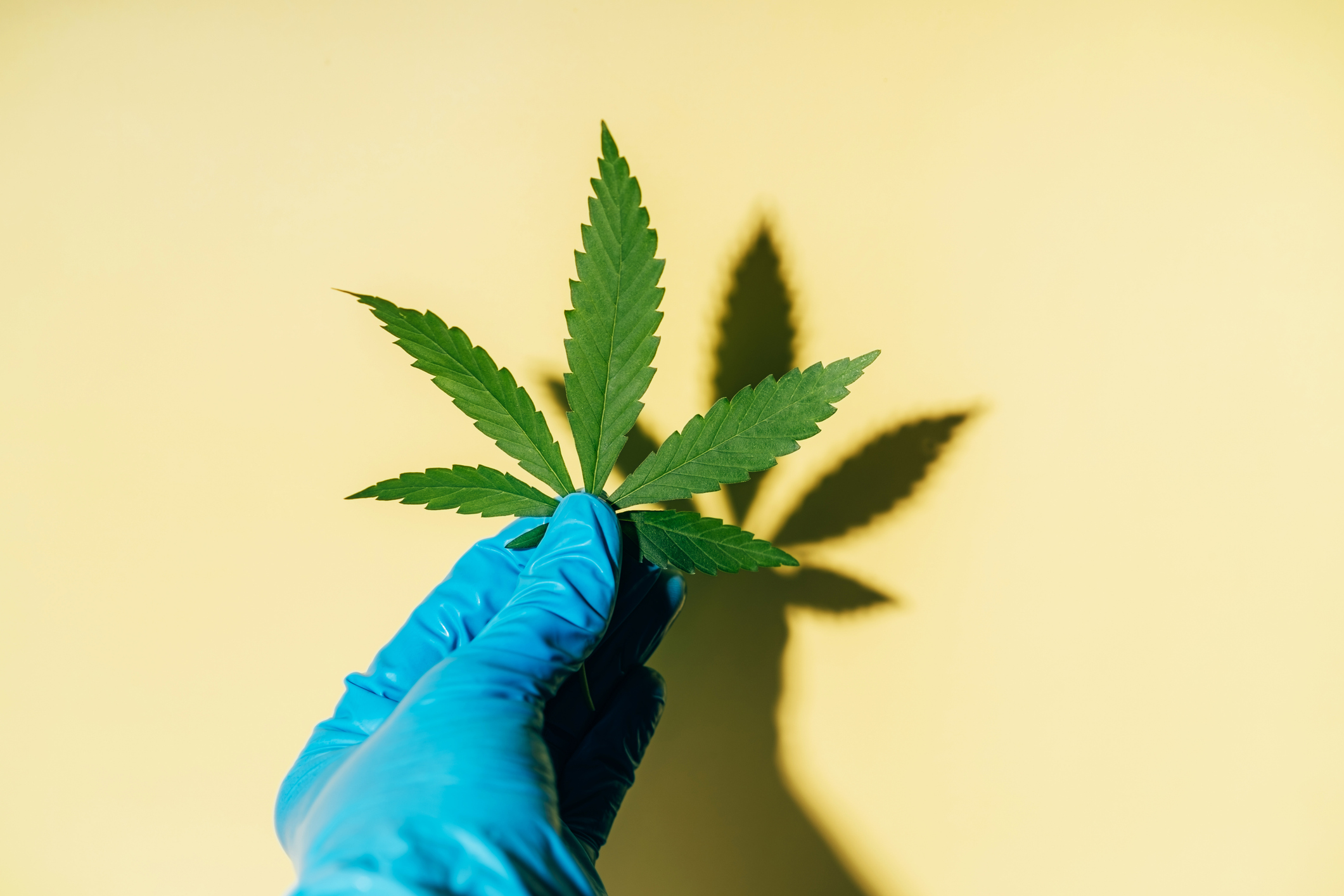
After Illinois legalized it, in 2020, James Swartz started to keep an eye out for any changes in public health that might stem from more widespread marijuana use. A professor of social work at the University of Chicago, he still remembers when he and his colleagues learned about the rise of a distressing condition that seemed linked to chronic marijauna usage. In 2025, the condition even got its own ICD 10 code, allowing doctors to enter it more specifically into medical records.
The condition is still poorly understood, and recently, physicians publishing in JAMA wrote a primer on the disorder. An important backdrop to the rise of CHS is a condition called cyclic vomiting syndrome, or CVS, says Dr. Thangam Venkatesan, a professor at the Ohio State University who is an expert on CVS and an author of the new paper.
During episodes, people vomit or retch four or five times an hour, and episodes can last several days, before abating for weeks or months. Understanding and avoiding triggers is key to treating the disorder. CHS was first described in 2004 in Australia, when doctors carefully followed patients with cyclical vomiting who were habitual cannabis users.
It presents similarly to CVS and usually occurs after people have been using marijuana for some time, sometimes as a treatment for other disorders, and involves abdominal pain and vomiting that recedes after people stop cannabis use. The pain can be so intense for some people that they may scream while they vomit. (About the “scromiting” label: Venkatesan doesn’t use it and calls it “a fairly derogatory term.”) During episodes, people can seek relief by taking very hot baths and showers, though it’s not clear why this helps, says Venkatesan—nor is this coping method unique to CHS. But the rise seems to coincide with a sharp increase in the potency of the forms of cannabis now available and an increase in cannabis use generally.
Concentrations of THC, the primary psychoactive compound in marijauna, used to be around 1-3% in dried plants, and now they may be higher than 15%—and as high as 95%. She notes that people may not be aware of the potential for syndromes like CHS when they start using cannabis, and the picture is complicated by the fact that many heavy users do not experience these symptoms, she says. Although most people with CHS tend to be young adults, there are patients of all ages.
The main risk factors are prolonged use of cannabis with high concentrations of THC. It's not a fun condition to have.” The rise of legalized cannabis has also been accompanied by an increase in schizophrenia cases, research has found; one study in Ontario found that cases associated with cannabis-use disorder nearly tripled in recent years. Even before legalization, there was a known link between psychosis and prior cannabis use in young people, suggesting that in some, there may be a genetic predisposition to schizophrenia that is exacerbated by cannabis.
Extract — continue reading at the source.