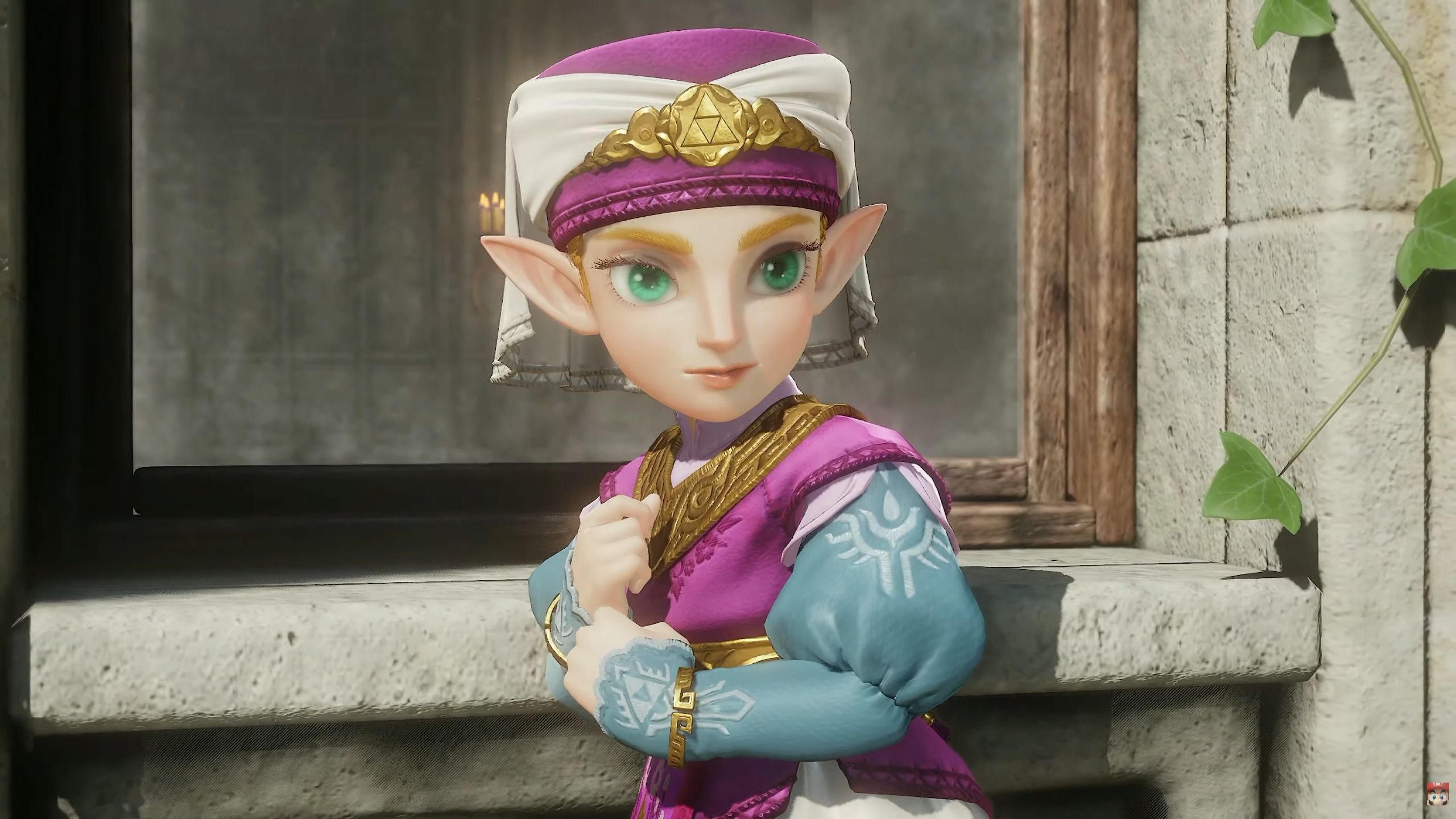
The Legend of Zelda: Ocarina of Time’s new Switch 2 remake is out now, and it’s already winning players over. It’s the best reviewed game of 2026 by a wide margin, and social media feeds are already filling up with nostalgic posts as players discover a classic game. That’s a significant change from the vibe surrounding the project’s initial reveal earlier this year.
The remake’s existence was met with a hint of trepidation from fans, and that was largely thanks to the remake’s bold art style. If you initially weren’t sure what to think about Ocarina of Time’s new look, the developers behind the project understand. In an interview with Polygon, longtime Zelda producer Eiji Aonuma explained that the Zelda series’ constant art direction shifts can take the team itself off guard.
But Aonuma believes that the cycle of shock and acceptance is very much part of the Zelda ethos. When the Ocarina of Time remake was announced, players were immediately torn over its art — just as they were when Star Fox was revealed earlier this year. Snap reactions characterized the game as a typical Unreal Engine makeover with “Nintendo, hire this man!” energy.
In discussing that with Aonuma, I mentioned that the reaction felt similar to that of Wind Waker when it was first revealed decades ago. Initially, the adventure’s cel-shaded art drew criticism from fans upon release who expected a more realistic Zelda game on GameCube. That judgment has aged poorly, considering that Wind Waker’s look is now widely hailed as timeless, but Aonuma empathizes with that cycle.
You really like it and you understand why it's a good fit for this game's unique qualities. So, if we can have other people experience that cycle as well, then I think surprise can be a good start for all of that. It's all about finding the best fit and sometimes that's a long road to finish that task.” For Aonuma, the shapeshifting nature of Zelda’s art is as part of the series' DNA as Rupees and Moblins.
Figuring out what a Zelda game should look like — even a remake, where the answer might seem obvious — is all about figuring out what best suits the story. In Ocarina of Time, for example, Aonuma says that the team settled on a “puppet show” feel to evoke a feeling of nostalgia. That’s the kind of thought that goes through the team’s mind when starting a new game.
Extract — continue reading at the source.