Wars exact a heavy toll on women and yet, too often their voices and concerns are pushed to the margins of global peacemaking. Since the end of the Cold War, the United Nations has made halting but real progress in bringing women into peace negotiations and postwar reconstruction from Guatemala to Bangsamoro and beyond. Now that progress is being reversed.
As peacemaking organizations fracture and lose their ability to press warring groups toward compromise, an assortment of social conservatives and warlords is finding new ways to exclude women from discussions about war and peace. Finding space for gender diversity could do more than ensure that women are heard; it could also give peace efforts a better chance of success. About a decade ago, Colombia’s peace process culminated in an agreement that seemed to offer a lesson in how to end a deeply rooted conflict.
Negotiators brought in the belligerents but they also consulted civil society groups on rural reform, inclusive governance, and accountability for wartime atrocities, including sexual violence. Women’s groups had a voice in these discussions. The process had its shortcomings.
Civil society was unevenly represented, and many of the peace agreement’s provisions on gender have yet to be fully carried out. Still, it rested on the premise that people with local relationships, legitimacy, and knowledge should be engaged in the peace process to help shape an enduring agreement. That conviction is fading.
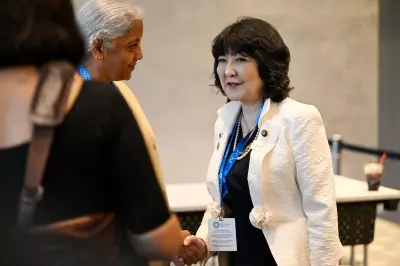
Women are increasingly absent from the negotiating table. Recent diplomatic efforts—from Sudan’s peace talks, trade negotiations with China, Gaza’s Board of Peace—have featured teams composed entirely of men. Women’s representation may still be a top priority for some governments in prominent contexts, such as the selection of the next United Nations secretary-general, but it has become less visible in the daily diplomatic practice of making peace.
Today’s narrow ceasefire agreements struggle to secure even minimal protections against sexual violence: none of the 13 ceasefire agreements reached in 2025 prohibited it. The loss is both practical and moral. In many conflicts, women have political networks that men do not.
Extract — continue reading at the source.