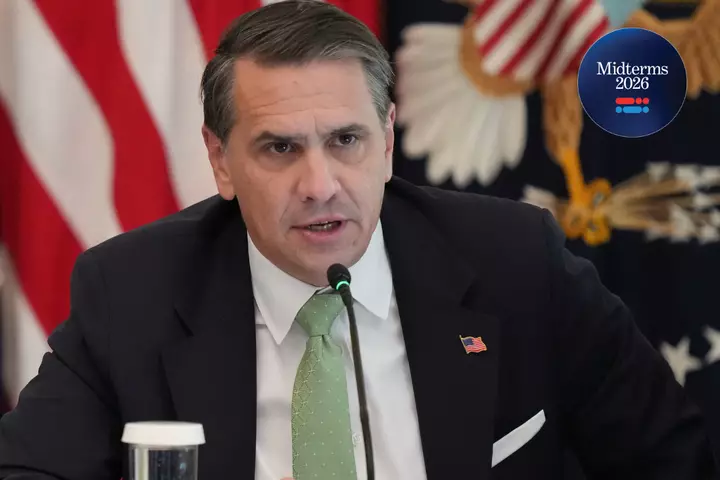
You don't have to spend all of election night refreshing the results. In fact, you might want to wait until 7:30 p.m. David Wasserman, senior elections analyst at the Cook Political Report, kicked off Election Day with an interview on Morning Edition about his closing thoughts on the campaign strategy of Republicans and Democrats and his tips to get an early read on the election returns.
Wasserman weighed in on the final campaign push by President Trump and former President Barack Obama. He said Trump's efforts to energize his base come as he struggles to hold on to voters who helped elect him, including some who previously voted for Obama twice. According to Wasserman, many of those voters were drawn to Trump's promises during the 2024 presidential election of a stronger economy, fewer foreign conflicts and protecting popular social safety net programs.
But independents are now giving Trump low marks on all three, helping Democrats gain an advantage. He added some Republican candidates are also distancing themselves from Trump, preferring to make their races a choice between themselves and their Democratic opponents rather than a referendum on the president's performance. While speaking to NPR's Michel Martin, Wasserman also discussed when to tune in to check the election results, why exit polls aren't necessarily a reliable guide to who's winning and which House races could offer early clues.
Here are Wasserman's tips for making sense of the results as they roll in on election night. Wasserman said the first useful clues could arrive between 7 and 7:30 p.m. ET, when early votes from Florida start rolling in.
ET, large batches of votes from Texas and Ohio could offer a clearer picture of the battle for control of the Senate. Exit polls can tell us what issues matter to voters, but they aren't necessarily a reliable guide to who's winning. Wasserman said SSRS, which conducts exit polling for major television networks, combines Election Day interviews with a pre-election survey.
That survey faces some of the same challenges as other polls, including low response rates. "We really have to wait for the hard results to be able to draw inferences on what's happening," Wasserman said. While Senate and governor's races are drawing national attention, Wasserman is watching several House districts for early signs of how the night might unfold.
Extract — continue reading at the source.