Diesel prices have hit record highs as the tensions between the United States and Iran, along with the war between Russia and Ukraine, disrupt key oil and fuel trade routes. On Friday, the average price for a gallon (3.79 litres) of diesel was $6.50, up from $5.61 a month earlier, according to the American Automobile Association (AAA), which tracks fuel prices daily. The spike has prompted the administration of US President Donald Trump and Republican lawmakers to consider restricting US diesel exports ahead of upcoming midterm elections.
A /Ipsos poll conducted in August found that 47 percent of voters said the cost of living was the single most important factor in deciding how they would vote in the midterms — more than twice the share who cited the next-most important issue, “democratic values and norms”. A new Marist poll also found that Americans have more confidence in Democrats than Republicans to handle the economy, with 42 percent choosing Democrats compared with 34 percent for Republicans. Amid that voter sentiment, US Energy Secretary Chris Wright said on Thursday that he was in touch with major oil refiners to gauge interest in a potential voluntary restriction on diesel exports, according to the news agency.
That followed remarks by Trump on Tuesday that he supported restricting diesel exports from the US, the world’s largest diesel exporter. Energy analysts and industry groups have warned that an export ban could have unintended consequences, potentially pushing up fuel prices in the US and abroad. Even though the US is the world’s largest diesel exporter, diesel is traded on a global market.
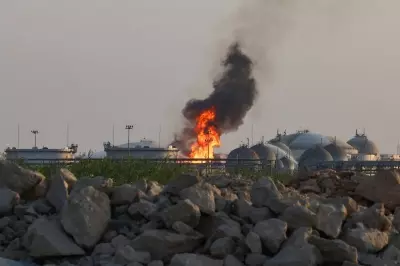
Disruptions to refineries in Russia and the Middle East have reduced the amount of fuel available worldwide, putting more pressure on US producers to fill the gap. In Russia, for example, drone attacks have damaged major refineries, forcing a cutback or halt in production. It comes as US diesel supplies are also shrinking.
As of September 11, inventories had fallen to 107.9 million barrels, the lowest in more than four decades, according to the US Energy Information Administration. With global supplies tightening, diesel prices have risen around the world — including in the US. Because American producers can sell their fuel into the global market, they are drawn to the soaring global prices rather than simply setting a lower price for domestic consumers.
In Washington, DC, leaders have flirted with the idea of pushing US companies to stop or slow exporting diesel. Republicans have been pushing for a slowdown or outright ban of exports in an effort to lower costs for consumers ahead of the pivotal midterm elections, where cost of living is becoming a critical issue. Such a move, they hope, would reduce local diesel prices, which is significant as diesel is used in trucks to haul food and most products, Ziemba said, adding that US diesel exports are equivalent to about 40 percent of domestic consumption.
Extract — continue reading at the source.