Mike Locksley became the first coach fired this season as Maryland made the call to move on Wednesday. But while October is still early to fire a coach, it actually bucks the recent trend. This time last year, there had already been seven FBS coaches fired.
Five Power Four coaches were gone by the end of September, with heavy hitters like Penn State's James Franklin, LSU's Brian Kelly and Oklahoma State's Mike Gundy out by October. In all, 30 jobs changed hands in 2025. In many ways, the barrage of firings was the dying embers of an old era.
For one, there weren't enough high-level candidates to fill the spots. Michigan hired a stopgap in Kyle Whittingham, and he's floundered. Arkansas whiffed on several choices, and settled for Ryan Silverfield.
Penn State missed out on Kalani Sitake and finally had to convince Matt Campbell to leave. Furthermore, college football has changed. While a new coach can help take a program to new heights, pure resource deployment is suddenly the most important factor in the sport.
With rosters clearing $30 million regularly, burning a $20 million buyout and having to hire a whole new staff and roster are becoming prohibitive costs. In response, we've seen multiple programs try to change their administrative structure to adjust to the new era. Oklahoma and USC rank among programs that hired independent general managers who could realistically last through multiple coaches.
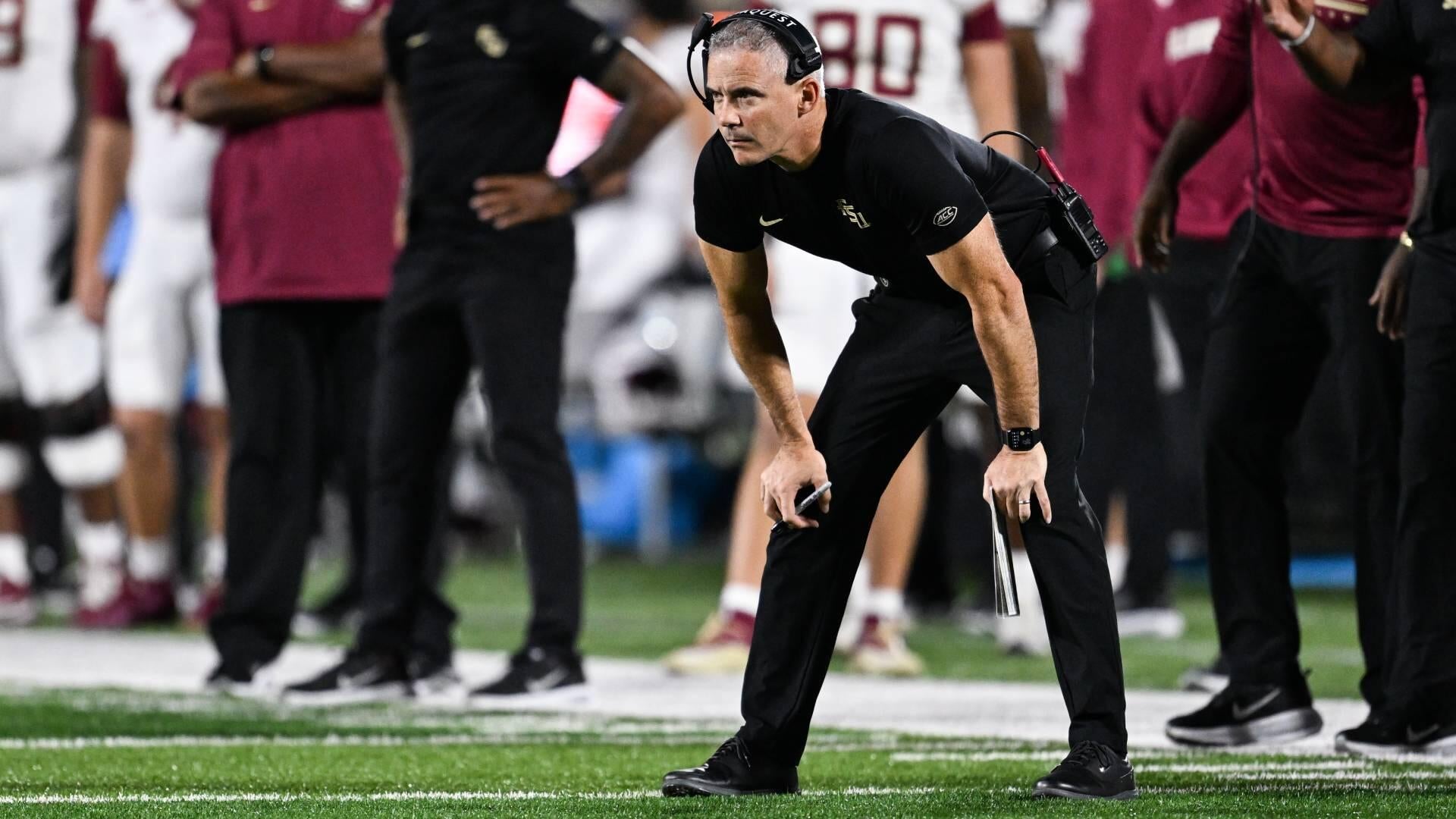
It makes for a more NFL-style roster-building approach, where a coach is just one piece of the equation. Last year, we also saw multiple programs try to invest more heavily in coaches to make it work: Wisconsin's Luke Fickell, Florida State's Mike Norvell and Baylor's Dave Aranda, chief among them. Fickell has likely saved his job with the performance, while Aranda and Norvell stay in varying levels of limbo.
Extract — continue reading at the source.