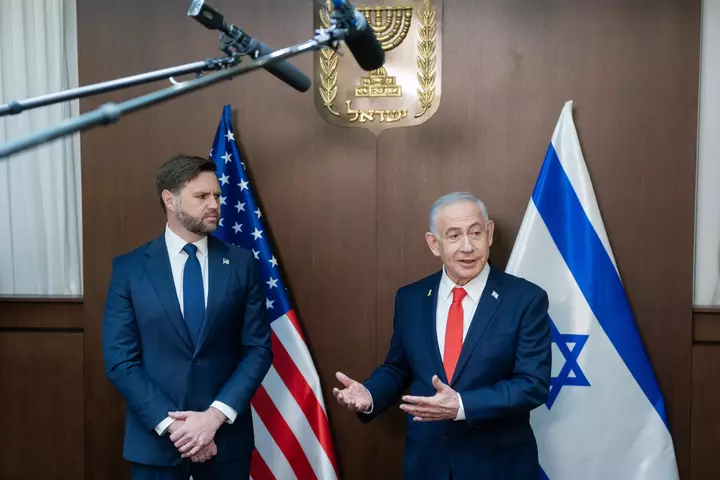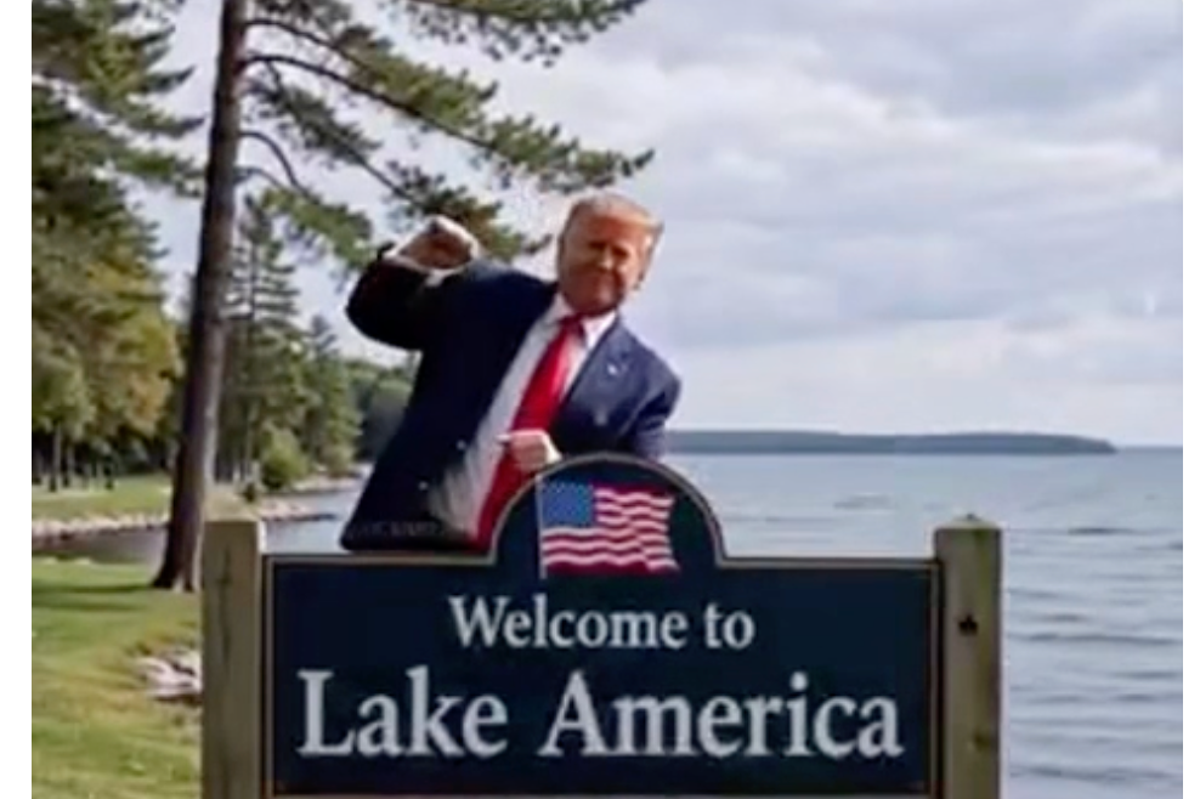
While President Donald Trump confronts real-world political challenges—struggling to curb inflation, defeat the Iranian government, and revive American manufacturing through tariffs—his online presence tells a drastically different story. Across social media platforms over Labor Day weekend, Trump and the White House released an unusually heavy barrage of memes portraying the president as a figure of singular power. In one shared video, Trump was depicted as a superhero wielding Green Lantern’s ring, effortlessly constructing a border wall to keep out migrants while erecting busy manufacturing facilities.
Another digital post showed him wearing a U.S. hockey uniform, looming ominously on the ice over Canadian Prime Minister Mark Carney as Carney cowered before him. A third upload featured Trump aboard a military vessel actively bombarding an enemy naval fleet. Throughout his career, from his starring role on "The Apprentice" to his tenure in the White House, Trump’s public appeal has frequently leaned on a mythical self-image.
However, the disconnect between digital fantasy and everyday reality has become sharply apparent ahead of the crucial midterm elections. Surveys indicate that most American adults are dissatisfied with Trump’s management of the economy and view the conflict in Iran as an unproductive effort. In response, Trump has leaned further into online caricatures that depict him as unstoppable and omnipotent.
Using digital memes risks sidestepping tangible issues. Some of these online posts are crafted using artificial intelligence. The administration has previously defended the imagery as harmless humor, calling critics who take issue with it lacking a sense of fun.
Yet the political consequences are significant for congressional Republicans, many of whom have tied their electoral chances to a president facing low approval figures. To energize the party faithful, Republican leadership is putting Trump center stage at an unusual midterm convention held Wednesday and Thursday in Dallas. Republican strategist Kevin Madden explained that while Trump’s social media activity can successfully rally his core base of "Make America Great Again" supporters, it fails to engage with voters concerned about economic relief.
Voters likely to determine control of Congress in the midterms "are not going to be won over with memes," Madden said. "The affordability voter is driving this election cycle and the issues they care about are anchored in the economy." The White House press office did not respond to requests seeking comment on the messaging strategy. Memes are periodically sourced directly from a sprawling network of conservative online creators, while other digital content is produced directly by White House staff as official communication.
Extract — continue reading at the source.