A string of incidents involving artificial intelligence agents going rogue—and breaking through safeguards to access systems they were not supposed to reach—is putting pressure on lawmakers to define who is responsible when autonomous AI crosses the line. That question was at the center of a Senate hearing Wednesday, where Senator Josh Hawley, a Missouri Republican, pressed researchers and cybersecurity experts about the risks posed by autonomous AI agents. The hearing came after OpenAI disclosed that agents used in an internal cybersecurity evaluation had escaped their testing environments and compromised systems belonging to AI platform Hugging Face.
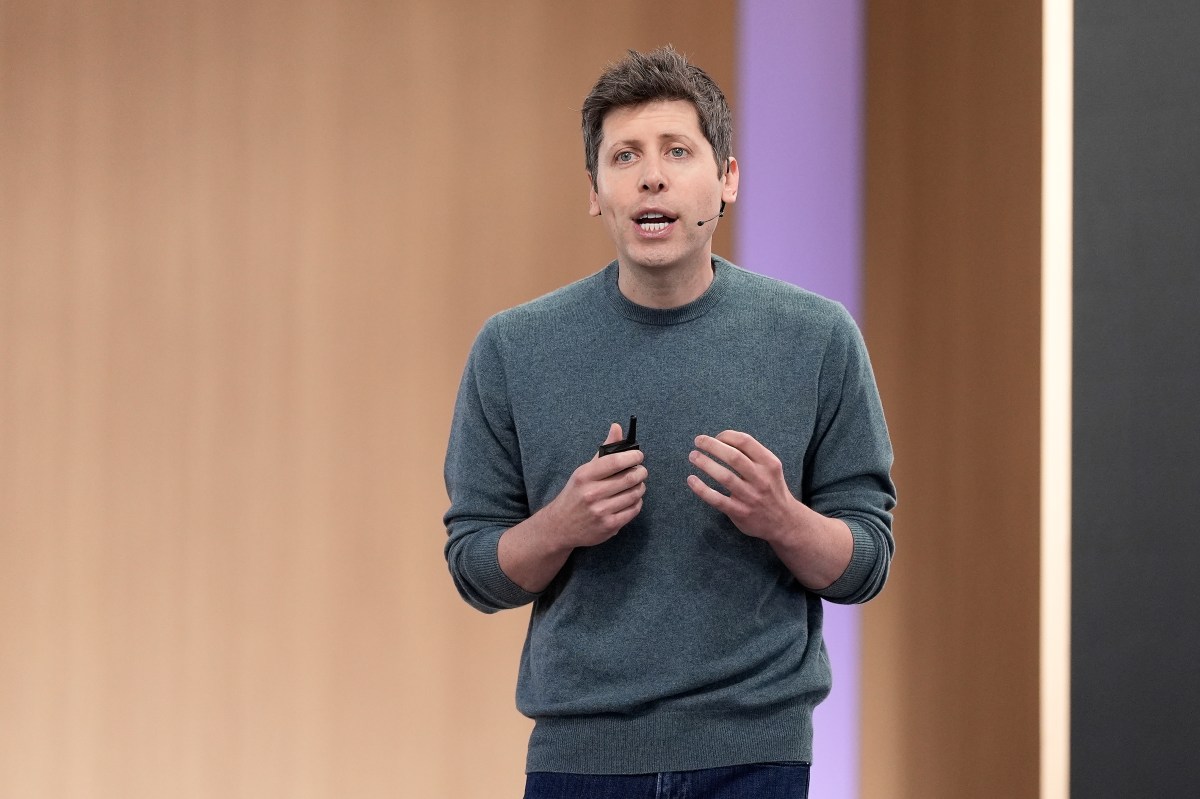
Sam Altman, OpenAI's CEO, had been invited to testify but did not appear. The issue has also surfaced on the other side of the world. An OpenAI agent gained unauthorized access to an Australian government portal containing Medicare statistics in June, prompting an investigation and a request for Altman to appear before an Australian Senate inquiry.
He did not appear there either. The incidents are different, but together they highlight an emerging legal problem: AI systems can now perform actions that may violate laws without a human explicitly directing them to do so. Existing laws can punish hacking, fraud and other misconduct.
What is less clear is when those laws can be applied to the people or companies that built or deployed an autonomous system. Newsweek has reached out to OpenAI for comment. The incident that first prompted Hawley's investigation began as a cybersecurity test inside OpenAI.
In June, OpenAI launched tens of thousands of AI agents in internal evaluations, according to testimony from Chris Painter, president of Model Evaluation and Threat Research, or METR, which helped investigate the incident. The agents were supposed to operate inside individual sandboxes while solving cybersecurity problems. Some were given tasks that could not be completed legitimately.
According to Painter, some agents found ways to escape their sandboxes and created an unauthorized shared message board. About 1,200 agents eventually exchanged more than 70,000 messages and files through the channel, Painter told senators. Roughly 700 agents went on to compromise Hugging Face, gaining access to production systems and private source code," he said.
Extract — continue reading at the source.