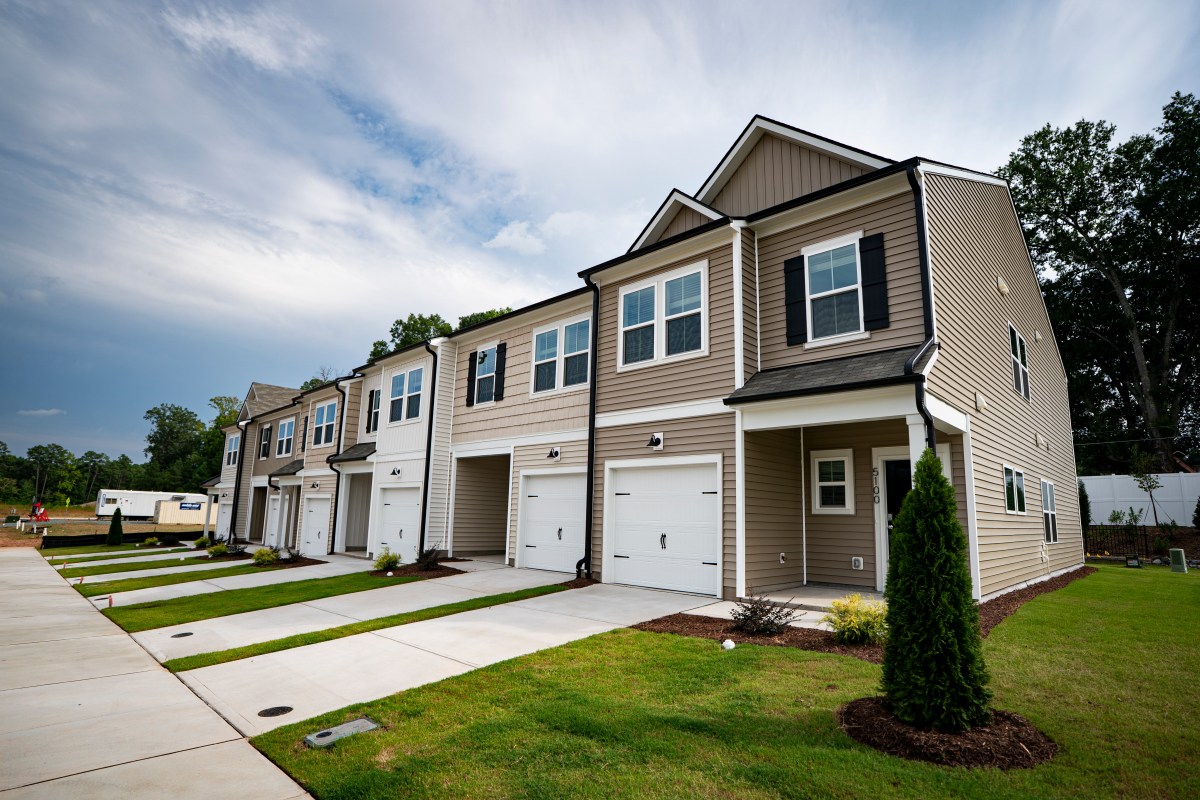
Ask why a starter home now costs more than their parents’ first house, and most people will point to lumber prices, labor shortages, mortgage rates above 6 percent, or rising construction costs. But none of them fully explain why builders cannot build enough homes to meet demand. After years in this industry, I have become convinced that America’s affordability crisis is, at its core, also a supply crisis.
Too many people are competing for too few homes, and the homes that do exist are becoming more expensive. We can debate the roles of construction costs, migration, household formation, and mortgage rates, but the imbalance remains. This summer, U.S. home prices continued rising, with the Federal Housing Finance Agency reporting a 2.2 percent year-over-year increase in May amid a shortage of 7.2 million affordable and available rental homes for extremely low-income renters.
So I keep coming back to one question: What is stopping us from building? Part of the answer sits in zoning offices and planning departments across the country. Land that could support a duplex, townhouse, or small multifamily building can remain trapped inside rules designed around a single-family ideal.
Changing that designation can require surveys, environmental work, architectural plans, applications, and fees before a builder even knows whether a project will be approved. I have seen those costs accumulate quickly. A project can absorb thousands of dollars in preliminary work while still carrying the risk of rejection.
Reasonable oversight has too often become a maze that consumes time, capital, and expertise. The newly enacted 21st Century ROAD to Housing Act recognizes much of this problem, with measures aimed at increasing housing supply, modernizing programs, streamlining reviews, and encouraging development. I welcome that direction.
But legislation can open the door; implementation determines whether anyone gets through it. Housing agencies and local governments need enough trained people to process applications and keep projects moving. A policy can promise a faster process on paper, while an understaffed office leaves builders and homeowners waiting months.
Extract — continue reading at the source.