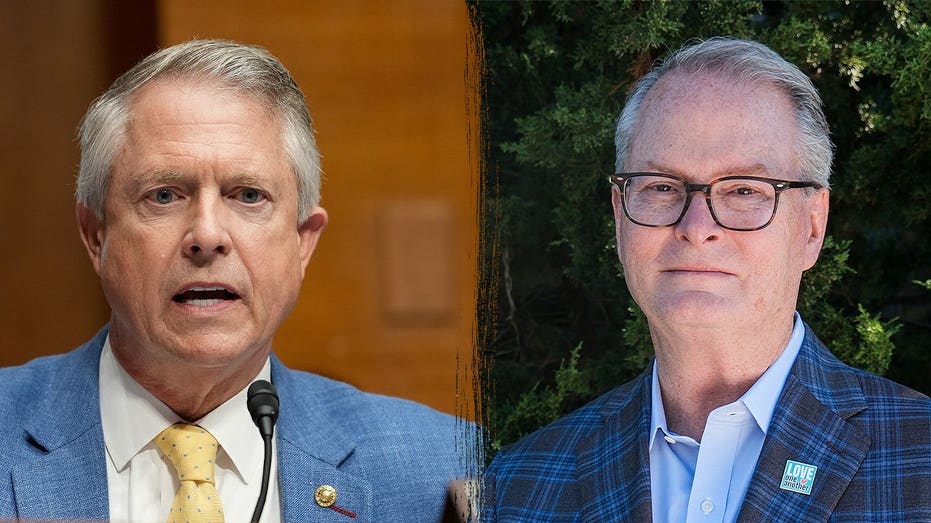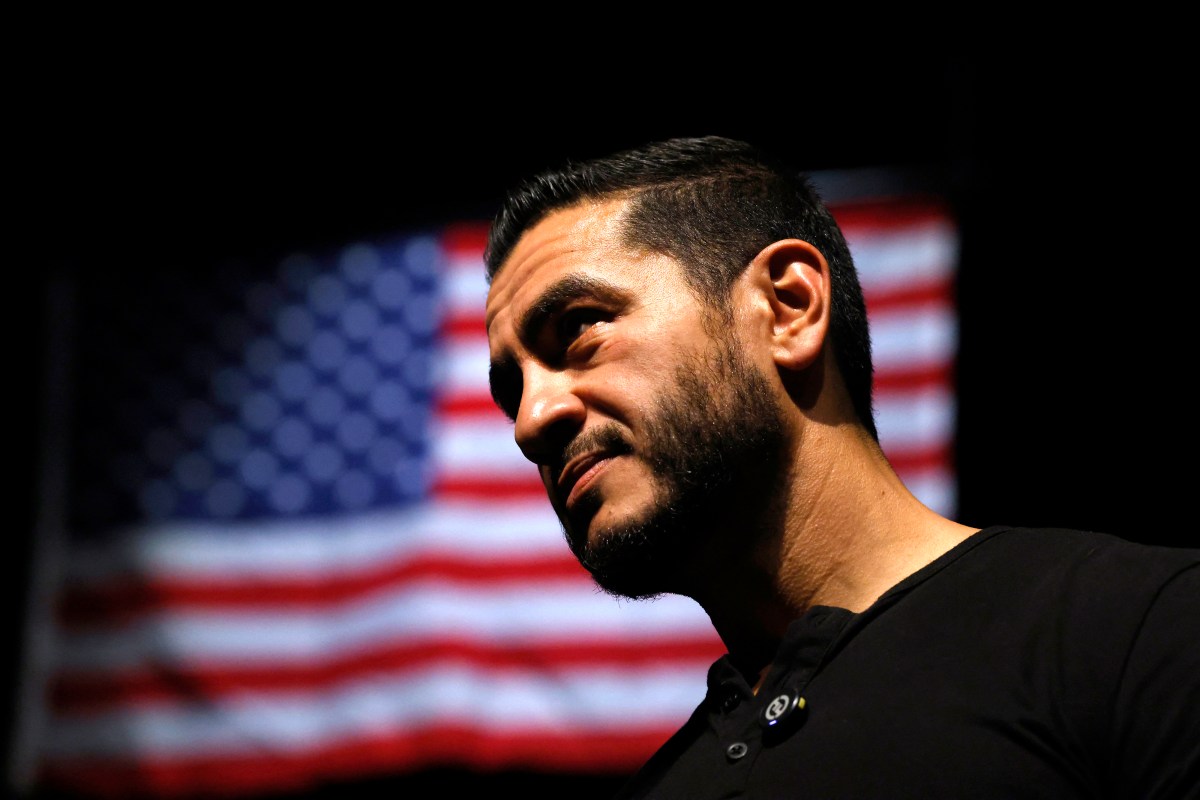
In the same remarks, Trump called El-Sayed a “jihadist,” said he hates the country, and claimed, without evidence, that he belongs to the Muslim Brotherhood. He then questioned whether El-Sayed could be trusted with a seat on the Senate Intelligence Committee. The sequence matters: mock the Muslim name, invoke terrorism, then cast doubt on the candidate’s fitness for public trust.
Before any policy argument begins, religious identity has become a security threat. The rally came two months after Trump posted a photo of himself and Melania Trump beside one of El-Sayed and his wife, Sarah Jukaku, a psychiatrist who wears a hijab. The caption read: “Two VERY DIFFERENT America’s.” Readers were invited to decide which family belonged.
That is the burden Muslim candidates confront: before they can debate what government should do, they are asked to defend their place in the nation they seek to serve. Punished for Participating: Islamophobia in U.S. Electoral Politics, a report from Rutgers Law School’s Center for Security, Race and Rights due out October 27, examines more than 30 cases involving Muslim candidates and officials from 2001 to 2026.
An advance copy I reviewed, along with the center’s published executive summary, identifies recurring patterns: claims of Islamic infiltration, gendered stereotypes, threats and violence, and presumptions of antisemitism. The pattern predates Trump. After Keith Ellison’s election to Congress in 2006, his plan to use a Quran at his ceremonial swearing-in prompted Representative Virgil Goode to warn that stricter immigration policies were needed to prevent more Muslims from following him into office.
Ellison was born in Detroit. Even a native-born American’s electoral victory became an argument for keeping outsiders out. The report’s sharpest insight is the contradiction in its title.
Muslims are urged to integrate, vote, and work within democratic institutions. When they do, their participation is recast as proof that those institutions are being infiltrated. Meeting the terms of acceptance does not end the suspicion.
Extract — continue reading at the source.