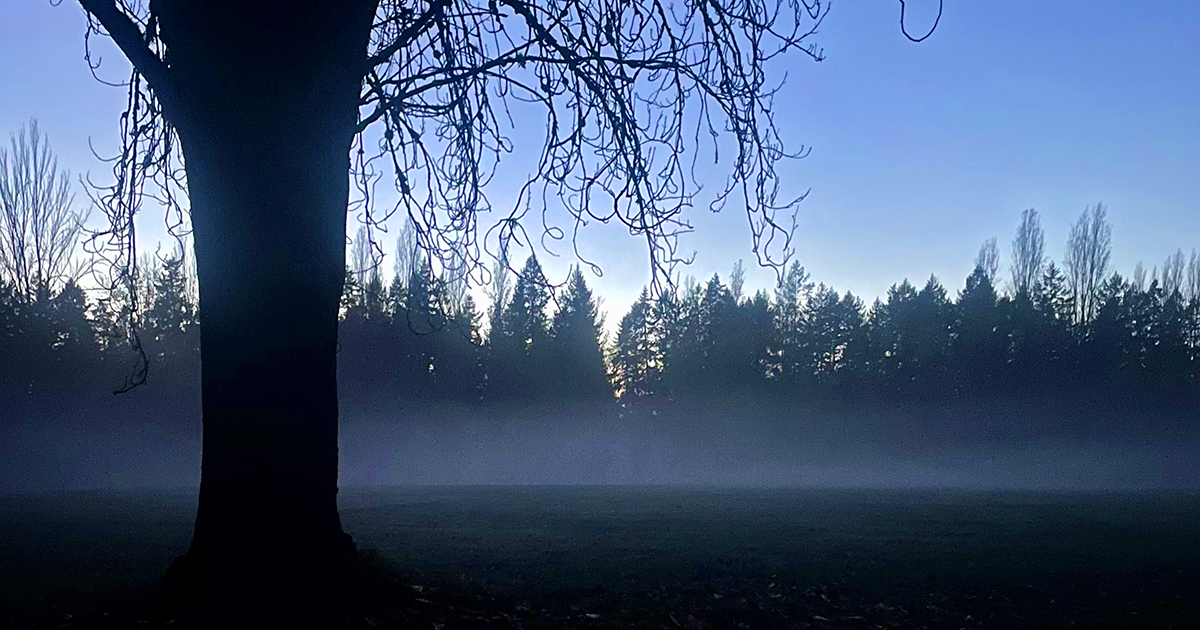
How we bear this imperfection, what we make of it, is our great living poem. This awareness pulsates throughout the essay collection Serious Face (public library) by Jon Mooallem — one of the finest magazine journalists of our time, and one of the most original storytellers. He writes in the preface: Twenty years years ago, I was working at a small literary magazine in New York City, screening the bulging slush pile of poetry submissions for anything that the editors might be interested in publishing.
Please know that passing judgment on all these people’s poems made me queasy. I was twenty-two years old, not especially well-read, and my only previous full-time employment had been as a kosher butcher. I could only like what I liked.
Also, I was extraordinarily sad. My father had died a year earlier, and the grief and bewilderment I’d kept tamped down were beginning to burble upward. And I was fixated on figuring out why everything was so hard, what I was doing wrong.
Some evenings, I’d walk the fifty-eight blocks home from the office, excessively serious-faced, wrenching my mind around like a Rubik’s Cube, struggling to make it show a brighter color. And then, from among the thousands of poems whose literary merit he was uncomfortably tasked with brokering, one stopped him up short: “Frost on the Fields” by Eric Trethewey, no longer alive; one particular line in it crowning the lyric of landscape: This would become the animating question of Jon’s life, as a writer and as a human being; a question that each of the essays whispers or bellows, none more poignantly than one titled by a kindred question: “Why These Instead of Others?” — his account, across the abyss of twenty years, of a trip to the remote reaches of Alaska he took with two of his college friends in the spring of life. An epoch after Rockwell Kent voyaged there to find the crux of creativity, the three young men arrived into a realm of remoteness so discomposing to their city consciousnesses as to appear entirely alien: As the boat that delivered us vanished, the drone of its engine dampening into a murmur and then finally trailing off, it became unthinkably quiet on the beach, and the largeness and strangeness of our surroundings were suddenly apparent… It felt like those scenes of astronauts who, having finally rattled free of the earth’s atmosphere, slip into the stillness of space.
Except we weren’t in space. We were on earth — finally, really on earth. But this transcendent idyll was soon interrupted by the brute impartiality of nature — a boom, then a crash, then faster than the speed of reason, a colossal tree atop one of the three friends. (Incidentally, also named Jon.) They managed to radio for help.
After firing a flaccid flare, they began fearing they were undiscoverable in the uncharted wilderness far inland from their camp. All they knew was that they had to keep him conscious until help arrived, pinned as he was by the tree in an icy creek, hypothermia on top of all the internal bleeding that was no doubt flooding his system. By some animal instinct, kneeling over the other Jon, this one leaned on the semi-automation of his mind: What can a person say?
Extract — continue reading at the source.


/https://tf-cmsv2-smithsonianmag-media.s3.amazonaws.com/filer_public/d6/3a/d63ab0e1-1057-4fce-8f8c-c0ea8bb2ea6e/a_1-fused-groups-of-anglo-saxon-coins-found-in-recent-excavati-95fcea8df7df53c8c8b6485cc9f1e443.jpg)