Europe is facing a growing wave of public discontent as demonstrations, strikes and clashes with law enforcement continue to spread across several countries. Rising living costs, pressure on household incomes, housing shortages, dissatisfaction with public services and disagreements over government policies have brought thousands of people onto the streets. From France and Italy to Belgium, Albania, Serbia and Germany, the protests have highlighted the mounting challenges facing the continent.
The current unrest cannot be explained by a single factor. Rather, it reflects the combined impact of economic, political, social and security problems that have accumulated over recent years. While the immediate reasons for demonstrations differ from one country to another, the underlying frustration is increasingly similar: many Europeans feel that their governments are struggling to address their everyday concerns.
The scale and diversity of the recent demonstrations illustrate how widespread public frustration has become. In France, protests that initially involved students and concerns over education have expanded into broader demonstrations over living costs, wages and public services. Italy has also experienced major protests and nationwide strikes, with workers, students and trade unions demanding higher wages, improved public services and measures to address rising prices.
On October 30, demonstrations took place in more than 40 Italian cities, with clashes reported in several locations. Belgium, Portugal, Spain, Albania and Serbia have also witnessed demonstrations driven by different combinations of economic, political and social demands. Germany, meanwhile, saw large-scale protests at the end of October, with demonstrators raising concerns about living costs, public spending, education and proposed military conscription measures.
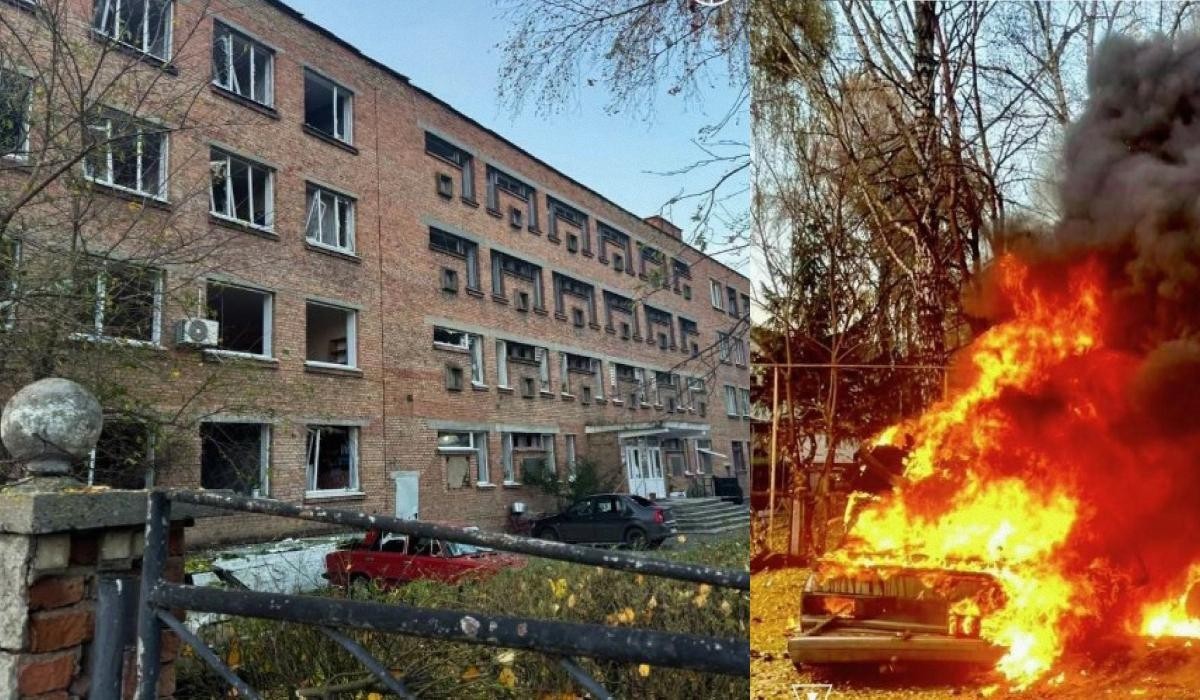
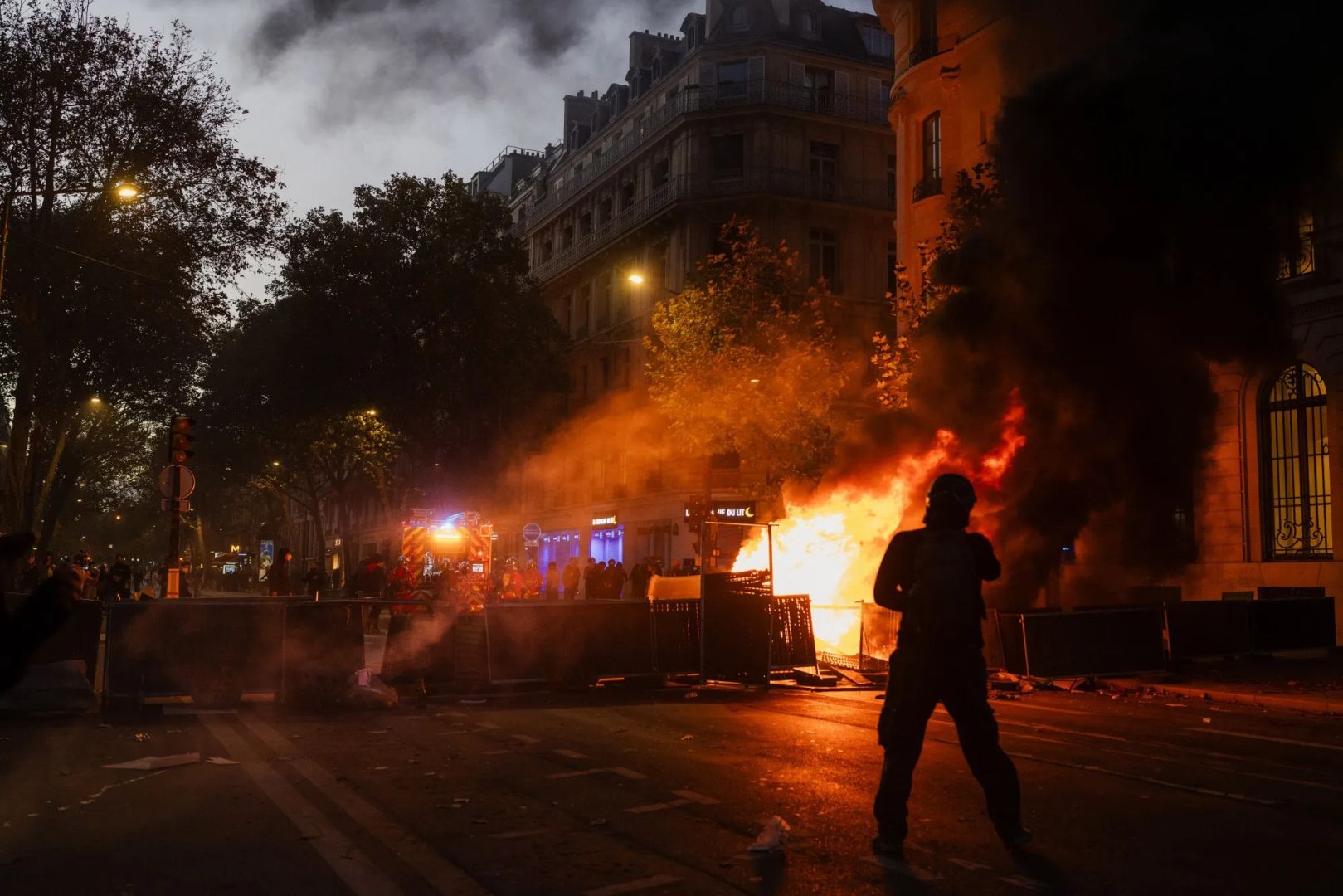
Although many demonstrations have been peaceful, some have been accompanied by clashes, vandalism, fires and looting. Such incidents have resulted in injuries among both protesters and law enforcement officers. However, it is important to distinguish between peaceful demonstrators expressing legitimate grievances and individuals or groups engaging in violence and criminal activity.
Analyst Frank Musmar, in a commentary to AzerNEWS, said that the protests spreading across Europe in September and October 2026 represent a geographically widespread but fragmented wave of public discontent. According to Musmar, independent trackers had recorded 151 protest events in 85 cities across 20 countries since September 17, while Spanish newspaper El País counted at least 177 demonstrations in 12 countries between September 15 and October 23. He argued that the unrest should be understood through three interconnected factors: economic insecurity, declining public trust in institutions and the growing pressure of geopolitical commitments.
Extract — continue reading at the source.