For millions of Americans, the economy and labor market appear to be sending conflicting signals. While the unemployment rate is relatively low by historical standards, many job seekers are reporting that they have spent months applying for positions with little success. Subsequently, these employers are becoming more selective, and layoffs continue to be a persistent concern even as some sectors add jobs.
The health of the job market affects far more than employment levels. A weaker hiring environment can delay major life decisions, including buying a home, starting a family and paying off debt. Young workers entering the workforce are especially facing challenges because they often have less experience and smaller professional networks than older workers.
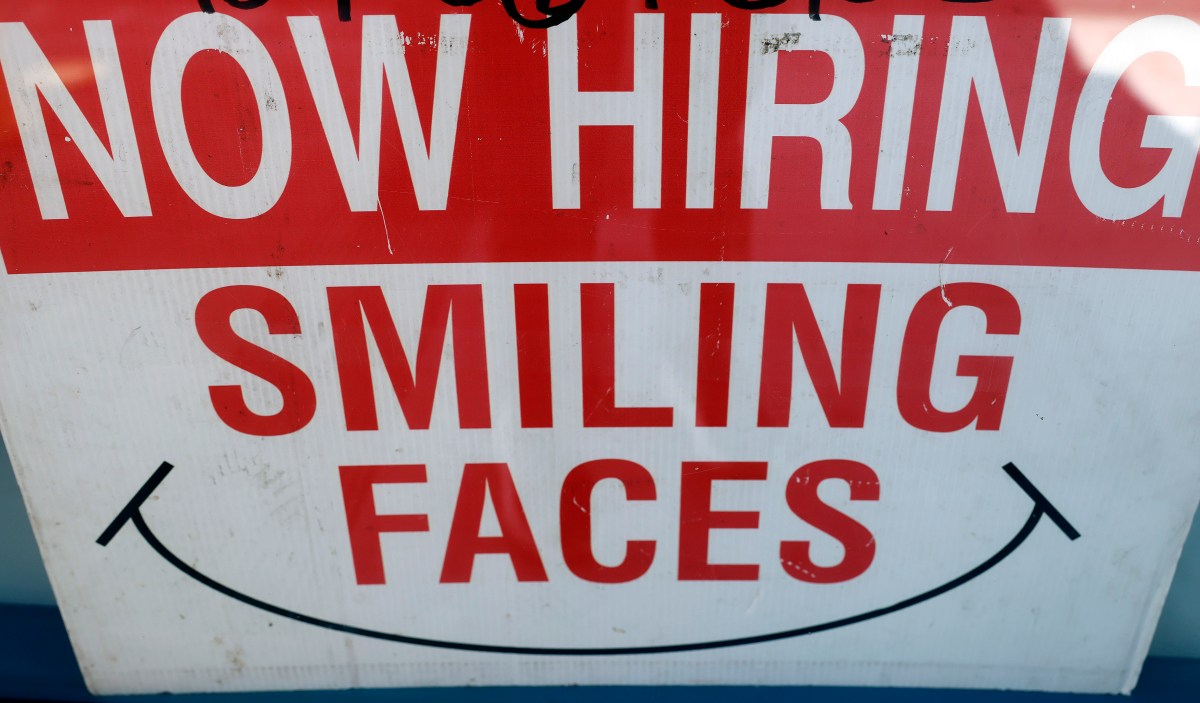
Americans searching for work are increasingly asking the same question: Why is the job market so bad right now? According to experts, the answer is complicated. While the U.S. economy is still creating jobs, hiring has become far more uneven than it was during the post-pandemic boom.
Certain industries are continuing to expand, but many white-collar sectors have slowed hiring dramatically. Artificial intelligence has also made competition for available jobs even more intense. That means businesses that expanded rapidly in recent years are now focusing on efficiency rather than adding large numbers of workers.
Employers have grown comfortable not hiring and the economy has made workers increasingly desperate to hold on to whatever they have,” Driscoll told Newsweek. Employers know it.” White-collar industries have also been particularly weak. While the U.S. added 90,000 private-sector jobs in September, two of the largest white-collar sectors moved in the opposite direction.
Financial activities and professional and business services shed a combined 27,000 positions Artificial intelligence is also creating uncertainty in some occupations. While AI is not replacing most workers outright, many companies are evaluating how new technology might change staffing needs, leading to slower hiring in the immediate future. Younger workers are feeling the brunt of all this, causing some Gen Z job seekers to send in tens if not hundreds of applications before getting interviews.
Extract — continue reading at the source.