Picture these frightening scenarios: a family member receiving intensive treatment for leukemia is unable to receive lifesaving platelets because of an ongoing nationwide shortage. Your best friend is involved in a car accident, is bleeding profusely, and is in need of platelets to stop the bleeding. These are some of the primary reasons for the American Red Cross’s latest appeal that deserves national attention.
In a press release on Sept. 8, 2026, the organization urged Americans to schedule blood and platelet donations, warning that the blood supply “remains vulnerable” after recovering from critically low levels during a summer shortage. It called on donors of all blood types to make appointments now. The message is not that every hospital has run out.
It is that recovering from a shortage does not remove the risk of another one. Platelets, the tiny fragments produced in bone marrow, gather at damaged blood vessels and help form clots that stop bleeding. Red blood cells carry oxygen; platelets help keep blood in circulation.
Having enough of one does not eliminate the need for the other. But the two components have very different expiration dates. Red blood cells can be refrigerated for up to 42 days.
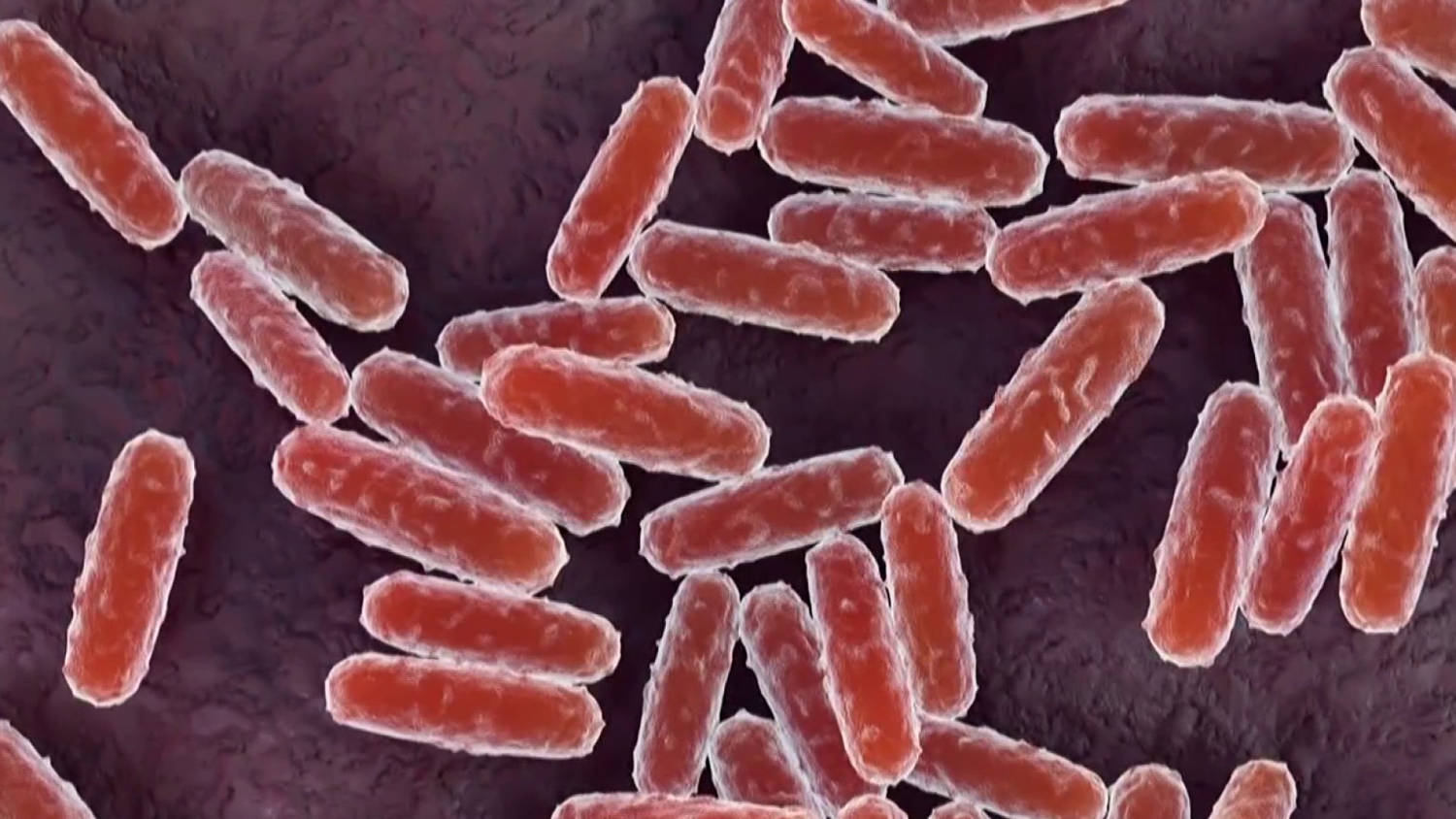
Plasma can remain frozen for a year. Conventional platelets, stored at room temperature, generally last just five to seven days. Their storage conditions also create a risk of bacterial growth, requiring special safeguards before transfusion.
A strong response to a donation appeal this week therefore cannot secure the supply for next month. Blood centers need a steady flow of appointments, not simply a surge after an alarming headline. Holidays, severe weather, and illness can interrupt donations, quickly affecting what hospitals have available.
Extract — continue reading at the source.