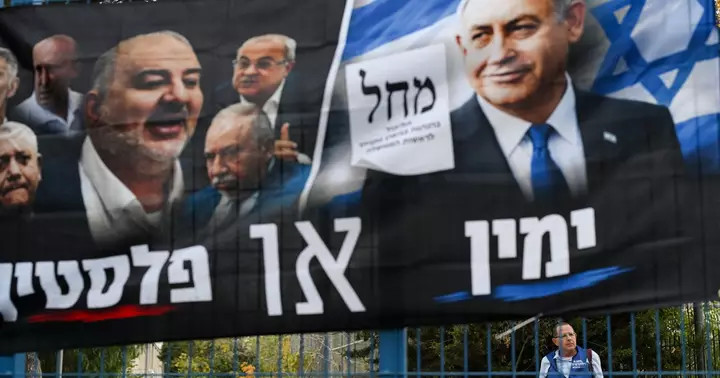
Israel's vote this Tuesday is the first general election for the country since the Hamas attack on October 7, 2023 — an assault which led to one of the deepest security crises in Israel's history. As incumbent Prime Minister Benjamin Netanyahu fights to retain power, the question is not merely who will lead Israel's next government, but also how that government will navigate the region-wide security crisis that was triggered by the attack and the Israeli reaction, which included launching a war against Iran. To view this video please enable JavaScript, and consider upgrading to a web browser that supports HTML5 video US President Donald Trump recently issued a full-throated endorsement of the incumbent Israeli leader as a "warrior prime minister" and warned that any other choice would affect Israel's alliance with Washington.
"If Israel has the wrong leader, which would be anyone other than Bibi (Benjamin Netanyahu), America will have to do this work ourselves, and I am not inclined to do so," Trump said in an online post, referring to the Iran conflict. Behind the scenes, however, media reports indicated a rift between the Israeli government and the Trump administration. According to The Financial Times, the Israeli military intended to launch a new round of attacks on Iran's nuclear facilities, government centers, and energy infrastructure around October 10.
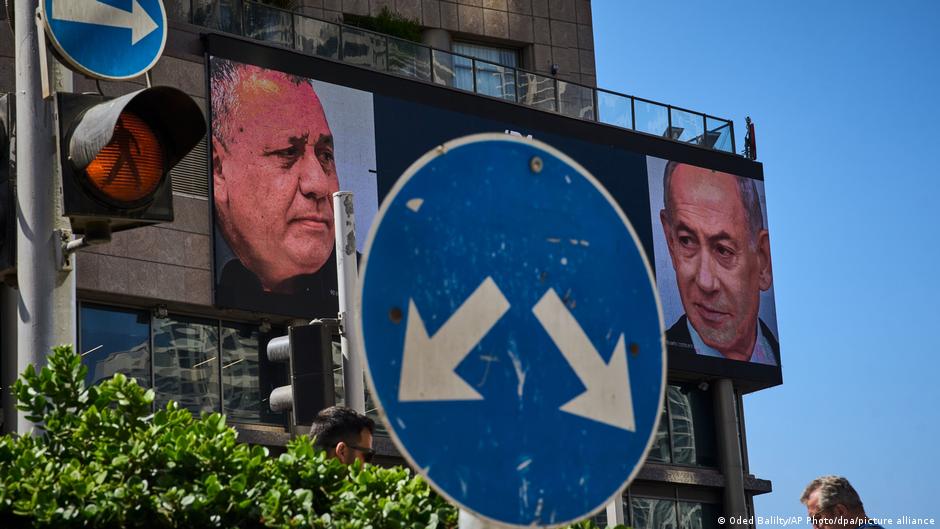
However, Trump opposed the new escalation before the US midterm elections on November 3. The Jerusalem Post later questioned the narrative, reporting that the army had no specific directive for such an operation. The Israeli race has turned into a tight duel between Netanyahu and his main rival, Gadi Eisenkot — former IDF (Israel Defense Forces) chief of staff and leader of the front-running centrist party "Yashar." But Raz Zimmt, the head of the Iran program at the Tel Aviv-based Institute for National Security Studies (INSS), warns political divisions between the two options are not deep enough to speak of a "fundamental change in Tel Aviv's approach toward Tehran" after the election.
"In the perception of Israel's left, right, and center factions regarding the Iranian threat, especially its nuclear threat, there are minor differences," Zimmt told DW. Moreover, according to Zimmt, any military escalation against Iran depends "on the decision of the US president" far more than on the identity of Israel's prime minister. "Overall, I do not expect Israel's policy toward Iran and its proxies to undergo dramatic changes, regardless of the future government's composition," he said.
INSS senior fellow Danny Citrinovitch agrees that one should not expect "fundamental changes" in Israel's Iran policy depending on the election outcome. "Even if Netanyahu personally steps down from power, his influence and the policies shaped over recent years will not simply vanish," Citrinovitch told DW. The current consensus on Iran can be traced to the Hamas terror attack three years ago.
Before the assault, according to Navid Toobian from the US-based Middle East Media Research Institute, many believed Israel should deal with the Islamic Republic "in a limited and managed way" and confront only the arms of the so-called "Axis of Resistance." But October 7 completely changed the rules of the game. While Israel had been aware of Iran's slogans calling for its destruction, it was believed that such calls had an "internal aspect" to rally the base of hardcore Islamists in Iran, Toobian says. The terror strike by the Iran-allied Hamas, however, showed that Tehran "spares no effort to strike Israel." Damon Golriz, a researcher at the Hague Institute for Geopolitics, also points to October 7 as the trigger of the "largest historical trauma of the Jewish nation" caused by the Holocaust.
Extract — continue reading at the source.