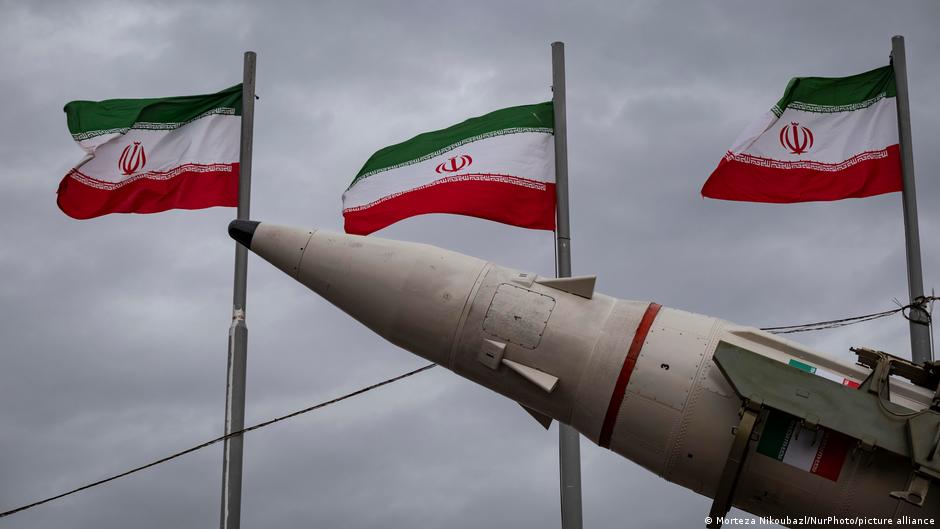
Lawmakers in Iran have once again raised the possibility of leaving the Nuclear Non-Proliferation Treaty (NPT) as tensions over Tehran's nuclear program and its standoff with the United States continue. Iranian MP Ghasem Ravanbakhsh said a proposal to withdraw from the landmark treaty had been submitted and was being considered. Ebrahim Rezaei, a member of the rubber-stamp parliament's National Security and Foreign Policy Commission, said withdrawal would be the "best response" to increased US economic pressure.
Iranian officials and lawmakers have repeatedly raised it during periods of tension with Western governments. However, it remains unclear whether Tehran is actually preparing to leave the treaty or whether the threat itself is the objective. In 1970, Iran signed the agreement, which is the main international treaty on nuclear non-proliferation.
The NPT has 191 member states and is based on preventing the spread of nuclear weapons, promoting peaceful nuclear cooperation and pursuing nuclear disarmament. Any member can withdraw if it believes that extraordinary events related to the treaty have put its supreme national interests at risk. It must give three months' notice to the other members and the UN Security Council and explain its reasons.
Leaving the treaty is therefore legally possible. Behrooz Bayat, a nuclear expert and former consultant to the International Atomic Energy Agency (IAEA), told DW that the process would take time. "A withdrawal would almost certainly be seen internationally as a signal that Iran intends either to keep open the option of developing nuclear weapons or to move toward doing so," Bayat said.
He said such a perception could sharply increase political and economic pressure and potentially raise the risk of further military action. For that reason, Bayat believes Tehran's repeated threats are more useful as diplomatic leverage than as a policy it actually intends to pursue. Shahin Modarres, an international security analyst and researcher at LUISS University in Rome, told DW that the renewed debate should be seen in the context of stalled negotiations over uranium enrichment and Iran's stockpile of highly enriched uranium.
Iran has about 440 kilograms (972 pounds) of uranium that is enriched up to 60% purity, a short, technical step from weapons-grade levels of 90%, according to the IAEA. Inspectors from the UN's nuclear watchdog were unable to verify the location of much of the material after the June 2025 US and Israeli strikes on Iranian nuclear facilities. Iran has already sharply reduced international oversight.
Extract — continue reading at the source.