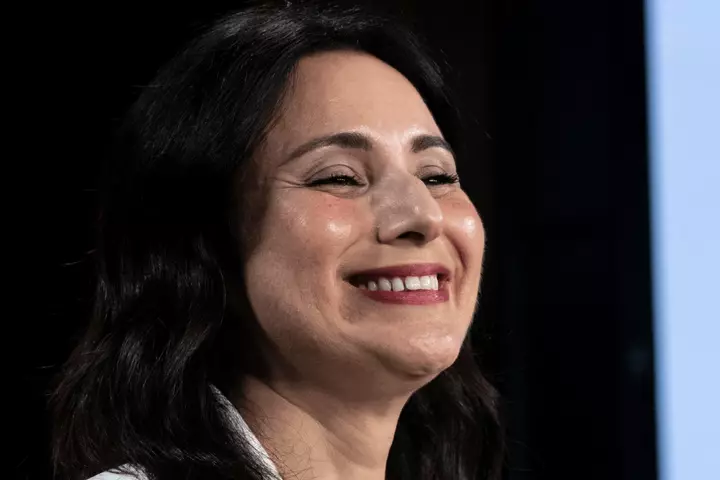
Governor-elect Gina Hinojosa wants Texas lawmakers to authorize one-time $1,500 refund checks for every household using $17 billion from the state’s Rainy Day Fund. Her victory over Republican Governor Greg Abbott has turned what was a campaign promise into an immediate test of her ability to work across party lines. Families would not receive money automatically because the Legislature must first pass a bill, with eligibility rules and a distribution process yet to be established.
Newsweek contacted Hinojosa via email for comment on Thursday morning. Hinojosa built the proposal around a simple affordability argument: Texans facing pressure from housing, groceries, health care and other expenses should benefit from state money that is otherwise sitting in reserve. She said that the fund had grown to approximately $27 billion during an interview with KPRC’s ENOUGH.
Her approach would retain about $10 billion for future needs and send the remainder back into the economy. The plan now offers an early measure of the incoming governor’s political reach. Winning statewide office gave her a mandate to pursue her platform, but it did not give her the power to deliver the refunds alone.
Hinojosa framed the payments as a refund rather than a continuing government benefit, placing direct financial relief at the center of her economic agenda. The governor-elect argued that public funds could do more for residents if spent in communities instead of remaining in Austin. Her campaign has called the proposed payments a “corruption tax refund” and said she would declare an affordability emergency on her first day in office before asking legislators to produce the necessary measure.
That timetable would begin a negotiation rather than trigger immediate checks. Legislative leaders would have to agree on the wording of the program, determine which residents count as a household and decide how state officials would identify recipients. Hinojosa has suggested that representatives from both parties could support returning money to their constituents, giving the proposal a populist appeal beyond her Democratic base.
The argument also creates a difficult choice for opponents. Voting against the bill could expose lawmakers to criticism that they blocked direct relief, while supporting it would mean endorsing a signature policy from a newly elected Democratic governor. Yet the scale of the withdrawal may produce a competing debate over fiscal caution.
Extract — continue reading at the source.