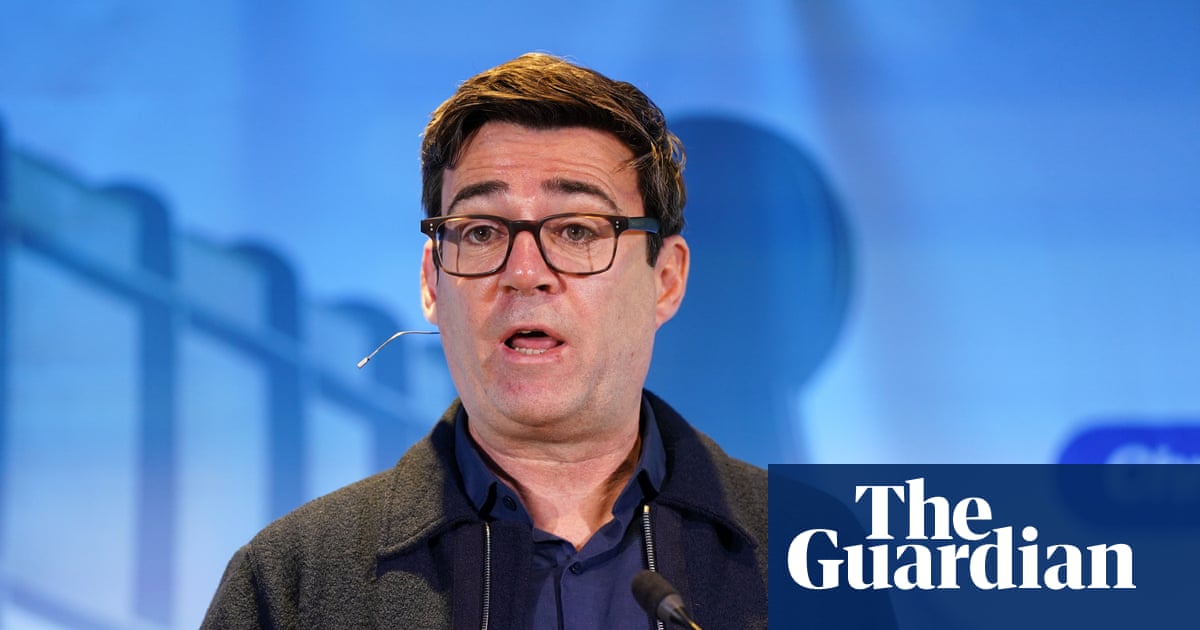
In just two years, there could be dozens of mayors preparing to spend billions of pounds as part of Andy Burnham’s mission to devolve greater powers across England. Fresh devolution deals could also be in place following negotiations with leaders in Scotland, Wales and possibly Northern Ireland, allowing the prime minister to say at the next election that he has fulfilled a promise to rewire Britain’s political landscape with a view to giving more local control. This was the message from John Healey’s first budget, which outlined the direction of travel and put in some milestones, including a 2028 commitment to devolve some income tax receipts to mayors of strategic authorities (MSAs).
He added the commitment that next year, 20% of business rates revenues will go to mayors. He told MPs that he was offering mayors 100% of their business rates income by the end of the decade and the ability to tax visitors who stay in hotels and B&Bs in their aream, via a new overnight visitors levy. It would mean, Healey said: “New powers to the people who know their areas best, not sentimentality but supply-side economics.
The biggest wave of devolution in a generation, driving good growth in every postcode delivered to the British people by this Labour government.” However, Burnham’s signature phrase that he will bring “good growth in every postcode and hope in every heart” will face scrutiny once it becomes clear large parts of the country are excluded. Manchester, the West Midlands and Liverpool City region head a list of 14 areas already governed by a mayor. Healey said the 14 were on course to get enhanced deals, while ministers were in the final stages of signing 10 more agreements, creating MSAs for Devon, Plymouth and Torbay; Hertfordshire; Lancashire; Leicester, Leicestershire and Rutland; Stoke and Staffordshire; Surrey; Thames Valley (Oxfordshire, Berkshire and Swindon); and Wessex.
Last month, Essex county council leaders agreed to adopt an MSA to secure about £1.2bn of funding over 10 years. Cornwall’s leaders, who secured a special devo deal under the previous Tory government, were at No 10 North last week – the hub of devolution discussions – hammering out an enhanced set of powers matched by extra money. Yet there is concern that while these areas might come on board before next year, many others will be left out.
Jonathan Carr-West, chief executive of the Local Government Information Unit, a thinktank, said: “A rewired state needs every tier of government to play its part, and it needs every tier of government to be financially resilient.” In his view, those areas without a mayor, or without a special devo deal like Cornwall, will begin to fall behind the rest, exacerbating regional inequality. Next month, No 10 is due to publish the much-anticipated Rewiring the State delivery plan, which Burnham has said will contain the thrust of what he wants to achieve as prime minister. Carr-West said the holes in Healey’s speech will need to be filled in by Burnham if there is to be some clarity about the way forward.
One of the major barriers to progress is likely to be the stalled reorganisation of local government in England, which was due to convert county and district councils into a web of unitary authorities. Angela Rayner, the secretary of state for housing, local government and communities, suspended the plan in September. Unitary authorities will carry out all the roles previously divided between counties and districts, from providing social services and education to overseeing parking and local business licences.
Extract — continue reading at the source.