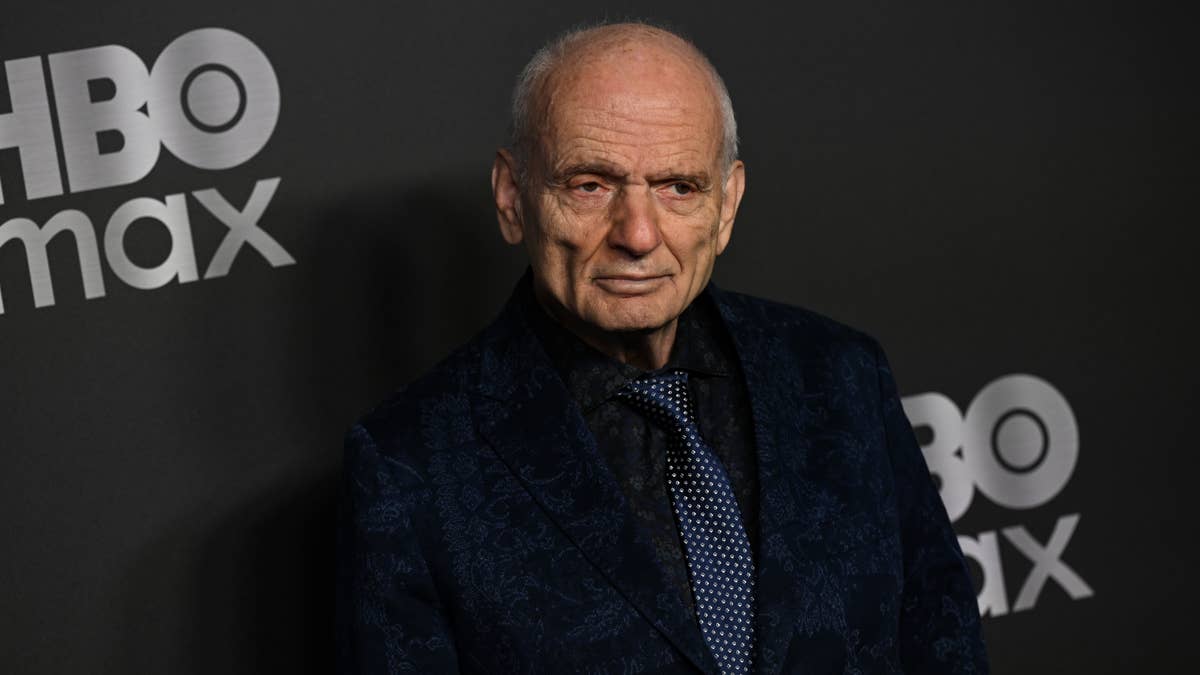
The showrunner spoke with Rob Caruso, senior vice president of consumer products for The Trade Desk’s Ventura TV OS, onstage at Advertising Week New York When “Scrubs” returned in February with new episodes after 16 years, the first season of the reboot had just nine episodes compared to the 24-episode seasons of its original run. Lawrence’s career reflects those seismic changes. Today, he is balancing a bevy of shows including “Shrinking,” “Bad Monkey” and “Ted Lasso” on Apple TV; “Rooster” on HBO; the “Scrubs” reboot; and “I Suck at Girls,” set to premiere at a later date on Netflix.
The dynamic Lawrence mentioned — having a limited amount of time to hook an audience — coincides with the rise of streaming and other industry shifts that stemmed from it. Caruso noted that shows used to necessitate mass appeal “versus now where you can write very nuanced shows.” “You have no idea how daunting it was when I was first in the network business where we had to come up with a show that appeals to everyone,” Lawrence added. The broader ecosystem is tasked with making that economically viable, at a time when consumers are discovering content differently than ever before, while also watching TV in more ways than ever before.
The TV operating system is incredibly important in that regard. It’s often the front door to how viewers discover content, and has grown into an essential component of how advertisers target and reach their audiences. For Caruso, perfecting the OS means strengthening how value flows back to publishers and TV manufacturers.
In the streaming age, algorithms have grown incredibly sophisticated to address these intricacies. But Lawrence and Caruso both cautioned that today’s algorithms can also backfire by pushing content in ways that miss the mark. You don’t necessarily think of an ad as an ad when it’s entertaining, when it’s targeted.
When it’s not, when it starts to be spammy, you tend to tune out and it usually has the adverse effect.” “Personalized” is the million-dollar word. Whether it’s a niche show for a smaller audience or an ad that reaches the right viewer, the future of the TV ecosystem may depend on innovating in how it finds audiences, helps them discover new content, keeps them coming back and monetizes their engagement. With that, streaming platforms seem to be embracing advertising more and more as a revenue source, with most major premium platforms offering ad plans in addition to subscription services; free, ad-supported streaming TV (FAST) services are also on the rise.
Lawrence is obviously no stranger to TV advertising. He shared on stage at Advertising Week N.Y. that he thinks about the show’s format as soon as the pitch phase, selling a series both on what it could be like on an ad-supported network or, by contrast, on a subscription-based streaming service. That said, he added that he’s stopped thinking about whether audiences binge a show or watch weekly.
Extract — continue reading at the source.