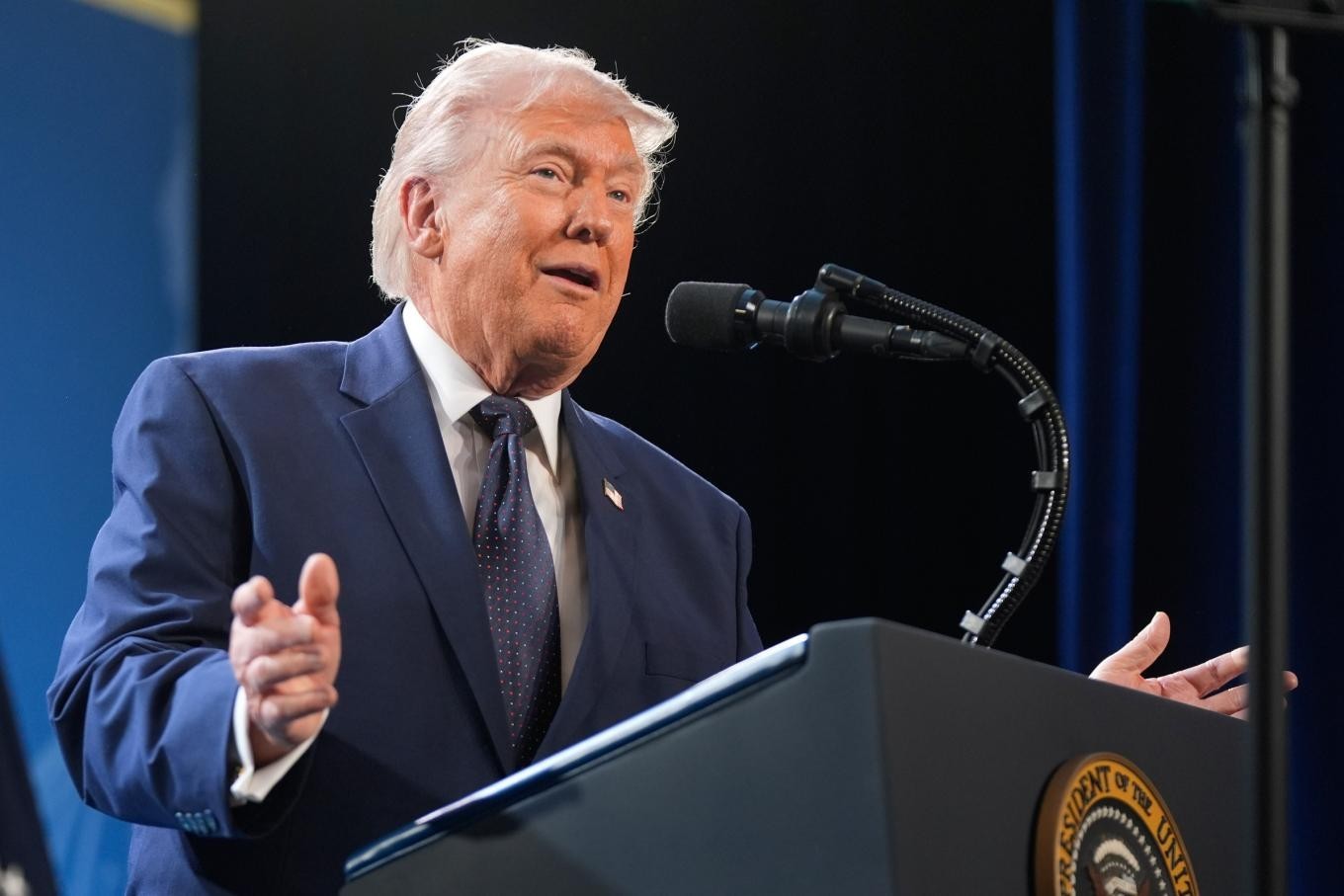
At a time when the confrontation between the United States and Iran continues without any sign of easing, it is still too early to say that Washington has achieved all of its objectives. The war is ongoing, and Tehran retains the ability to resist. However, when the conflict is viewed from the perspective of Iran’s regional power, a different picture emerges.
As US military pressure increases, the system of influence Iran has built across the Middle East is gradually weakening, with its various components disappearing one by one. The confrontation between the United States and Iran did not begin today. Its foundations were laid after the 1979 Islamic Revolution.
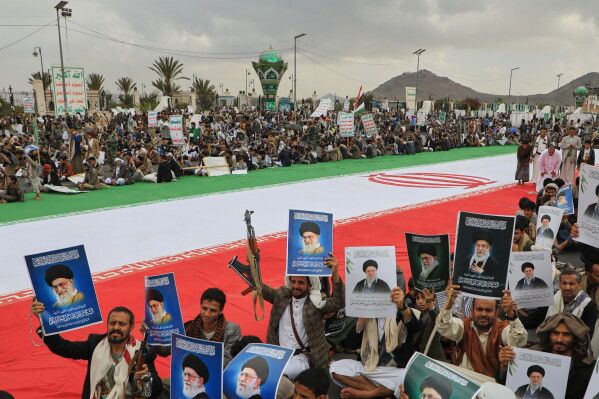
Following the overthrow of the Shah’s regime, Tehran became one of Washington’s main regional rivals. Over the following decades, Iran expanded its political and military influence beyond its borders. Its ties with various political and armed groups in Lebanon, Syria, Iraq, Yemen and the Palestinian territories became one of the main instruments of Iranian regional policy.
The advantages this model provided Tehran were clear. Iran was able to create additional threats for the United States and its allies beyond its own territory. Instead of confronting Iran in a direct war, its opponents also had to deal with the problems created by Tehran’s proxies across the region.
However, the weaknesses of this strategy had long been debated. Iran’s economic capabilities are extremely limited compared with those of the United States. The US has one of the world’s largest economies, while Iran has far fewer economic resources because of sanctions and structural problems.
The technological gap is also substantial. US capabilities in air defense, intelligence, satellite systems, aviation, precision strikes and electronic warfare significantly exceed those of Iran. Against this backdrop, many experts argued that Iran would be better served by concentrating its resources on its own defense rather than spreading them across the region.
Extract — continue reading at the source.